Entertainment
$140 Million Fight Night, $66 Million Gone: Inside Anthony Joshua’s Massive Tax Bill After Crushing Jake Paul in Miami
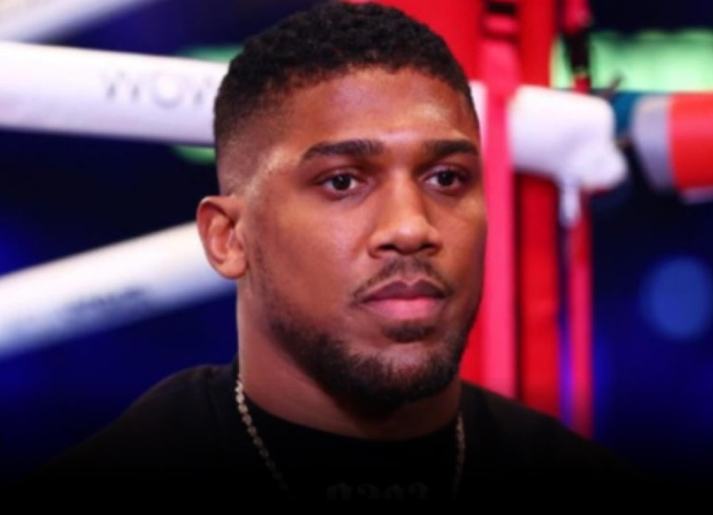
Anthony Joshua walked out of the Kaseya Center in Miami on Friday night with his hand raised, his reputation restored, and one of the most lucrative paydays in boxing history secured. But as the dust settles from his emphatic exhibition victory over Jake Paul, a sobering financial reality has emerged: the former two-time heavyweight world champion is set to hand over nearly half of his earnings to the taxman.
Joshua reportedly earned a staggering $140 million from the blockbuster bout, which was streamed live on Netflix and billed as one of the most commercially successful crossover fights in recent memory. However, despite the eye-watering purse, the British boxer is expected to pay approximately $66 million in combined United States and United Kingdom taxes, leaving him with an estimated $74 million net take-home sum.
The scale of the tax bill has sparked widespread discussion among fans and analysts alike, particularly given that Joshua is believed to have earned around $92 million directly from the fight itself, with the remainder of the $140 million total coming from sponsorships, appearance fees, and backend commercial agreements tied to the event. Because the contest took place in the United States, Joshua falls under US federal tax obligations, which alone are estimated to cost him about $52 million.
In addition to his US liabilities, Joshua is also expected to pay roughly $11.3 million to His Majesty’s Revenue and Customs in the UK, alongside an estimated $2.8 million in National Insurance contributions. Florida’s lack of a state income tax offered little comfort, as federal rates and cross-border tax rules ensured the overall bill remained immense.
By contrast, Jake Paul, who reportedly earned $92 million for the fight, will only be subject to US taxes. As an American resident competing on home soil, Paul avoids the complications of dual tax obligations, meaning he is likely to retain a larger percentage of his purse than Joshua despite earning less overall. The disparity has reignited debate about how international athletes are taxed when competing abroad, particularly in high-profile events staged in the United States.
Inside the ring, Joshua ensured that his performance left no room for argument. The 35-year-old dominated Paul from the opening bell, using his size, experience, and composure to control the fight. He dropped the YouTuber-turned-boxer in the fourth round, sent him down again in the fifth, and then finished matters emphatically in the sixth. A crushing right hand at 1:31 of the round fractured Paul’s jaw in two places, ending his unbeaten run and silencing critics who questioned whether Joshua had enough left after recent setbacks.
The knockout victory was streamed live to a global audience on Netflix, underlining the fight’s crossover appeal and its ability to draw both traditional boxing fans and a younger, digitally native audience familiar with Paul’s online fame. For Joshua, it was more than just an exhibition; it was a statement performance that reaffirmed his relevance in the heavyweight conversation.
Medical consequences followed swiftly. Under Florida State Athletic Commission regulations, Jake Paul was handed a mandatory medical suspension of at least 45 days due to the knockout. Given the severity of his jaw injury, which is expected to take four to six weeks to heal fully, that suspension could be extended pending further medical evaluations. Joshua, meanwhile, received a routine seven-day suspension, reflecting the comparatively minor punishment for a victorious fighter who absorbed little damage.
The win improved Joshua’s professional record to 29 victories in 33 fights and marked a significant rebound after his defeat to Daniel Dubois at Wembley Stadium last September. That loss had raised serious questions about whether Joshua’s days at the elite level were behind him. Instead, Friday night’s performance suggested he still has both the physical tools and commercial appeal to headline the sport’s biggest events.
Speaking after the fight, Joshua wasted little time in turning his attention to future challenges. He openly called out fellow British heavyweight Tyson Fury, reviving talk of a long-anticipated all-British showdown that has eluded fans for years. While no deal is in place, Joshua hinted that a clash with Fury could materialize in 2026, provided circumstances align.
Jake Paul, for his part, remained defiant despite the loss. In his post-fight comments, he acknowledged Joshua’s power but insisted the defeat would not derail his ambitions. Paul floated the idea of challenging Mexican superstar Canelo Álvarez in the near future, a proposal that is likely to generate skepticism but also significant attention given Paul’s track record of securing unlikely matchups.
Beyond the sporting implications, the financial breakdown of Joshua’s earnings has become one of the most talked-about aspects of the event. The idea that a fighter can earn $140 million in a single night and still lose $66 million to taxes has highlighted the complex realities faced by globally mobile athletes. While Joshua will still walk away with a fortune most boxers could only dream of, the figures serve as a stark reminder that headline purses rarely tell the full story.
For Joshua, the night ultimately delivered both vindication and validation. He proved he could still dominate on a major stage, attracted massive global interest, and secured generational wealth in the process. Even after the tax deductions, his estimated $74 million net earnings place the fight among the most profitable outings of his career.
As the boxing world digests the fallout from the Miami spectacle, attention now turns to what comes next. Whether Joshua pursues a mega-fight with Fury, returns to traditional world title contention, or continues to explore crossover events, one thing is clear: his name still commands attention, his fists still carry danger, and even after a $66 million tax bill, Anthony Joshua remains one of the richest and most influential figures in modern boxing.
Popular Posts

Tragedy in Nairobi: Asake Mourns Fan Lost in Stampede, Calls for Accountability After Kenya Concert
23 Dec, 2025
Rumors Swirl Online After GehGeh’s Mansion “Burns Down"
23 Dec, 2025
“It Is Not a Crime to Be Broke”: Mr Blord’s Viral Message Ignites a Fresh Debate on Wealth, Age, and Online Bragging
23 Dec, 2025Scroll to Top