news
“A Generation of Twins Is Coming”: Pastor Adeboye’s Prophetic Declaration Sparks Awe, Debate, and Faith-Filled Anticipation
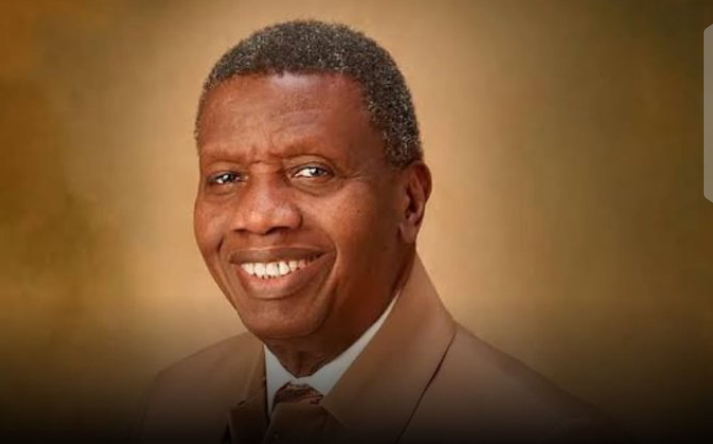
A statement credited to the General Overseer of the Redeemed Christian Church of God, Pastor Enoch Adeboye, has ignited widespread reactions across social media and faith communities after he revealed that 10,000 twins have been released into the wombs of waiting mothers. The declaration, made during a church gathering and later circulated widely online, has quickly become a talking point among believers, skeptics, medical professionals, and commentators alike, blending faith, hope, curiosity, and debate into one viral moment.
According to reports shared by worshippers present at the service, Pastor Adeboye made the announcement in a calm but authoritative tone, framing it as a divine revelation rather than a statistical prediction. He spoke of a spiritual release, suggesting that women who had been praying and believing God for children, particularly twins, should prepare themselves for testimonies. Within hours of clips and quotes from the declaration appearing on X and other platforms, the message began to trend, drawing reactions from across Nigeria and beyond.
For many members of the RCCG and other Christian denominations, the declaration was received with excitement and faith. Some women shared personal stories online about years of waiting, miscarriages, or medical diagnoses that had made pregnancy difficult, saying the statement renewed their hope. Testimonies began to surface almost immediately, with some users claiming they were already pregnant with twins or had recently discovered twin pregnancies, attributing the news to divine intervention. Others posted prayer points, scriptures, and emotional messages expressing belief that their long-awaited miracle had finally arrived.
The language used in the declaration also contributed to its viral spread. The phrase “released into the wombs of waiting mothers” struck a deeply emotional chord, particularly in a society where motherhood is often closely tied to identity, fulfillment, and social acceptance. In Nigeria, where infertility can still attract stigma and pressure, the idea of a mass divine intervention resonated strongly with women and families who have quietly endured years of disappointment.
However, the declaration has not gone without controversy or scrutiny. Critics were quick to question the literal interpretation of the statement, with some asking whether it should be understood spiritually rather than biologically. Medical professionals and science-minded commentators cautioned against taking the message as a factual prediction, noting that twin pregnancies are influenced by genetics, age, fertility treatments, and other biological factors. They emphasized the importance of medical care, antenatal monitoring, and realistic expectations, especially given the higher risks often associated with multiple pregnancies.
Others raised concerns about how such declarations might affect women who do not eventually conceive twins or who struggle with infertility despite believing strongly. Some mental health advocates warned that while faith-based messages can offer comfort and hope, they can also unintentionally place emotional pressure on individuals who feel they have “failed” spiritually when outcomes do not match prophetic declarations. These voices urged religious leaders and followers alike to balance faith with compassion and sensitivity.
Despite the debates, supporters of Pastor Adeboye pointed out that prophetic statements in Christian theology are often symbolic or conditional, tied to faith, timing, and divine will rather than rigid guarantees. They argued that miracles, by definition, exist outside scientific explanation and should not be judged solely by empirical standards. Many emphasized Pastor Adeboye’s long-standing reputation as a spiritual leader whose messages are often centered on encouragement, prayer, and hope rather than fear or coercion.
The discussion also reopened broader conversations about the role of prophecy in modern Christianity. In an age dominated by data, medicine, and technology, moments like this highlight the enduring power of spiritual language and belief systems. For millions, faith remains a central lens through which life events, including childbirth, are understood and interpreted. The viral spread of the declaration demonstrated how quickly religious messages can transcend church walls and become part of mainstream digital discourse.
Interestingly, the timing of the statement has added another layer to the conversation. As many families face economic pressures, rising healthcare costs, and uncertainty about the future, the idea of new life and abundance arriving in large numbers carries symbolic weight. To believers, twins often represent double blessings, joy, and favor, making the message particularly potent in challenging times.
Social media reactions have ranged from celebratory to humorous. Some users joked about hospitals needing to prepare for a baby boom, while others teased about the future population surge. Memes, prayer threads, congratulatory messages to “future twin parents,” and even lighthearted debates about twin names flooded timelines, showing how deeply the declaration penetrated popular culture.
As the weeks and months unfold, many will be watching closely to see how the story develops, especially as testimonies continue to emerge from church services and online platforms. Whether viewed as a prophetic announcement, a spiritual metaphor, or a moment of collective hope, Pastor Adeboye’s statement has undeniably left an imprint on the public imagination.
In the end, the declaration about 10,000 twins being released into the wombs of waiting mothers sits at the intersection of faith, expectation, and modern discourse. For believers, it is a reminder that miracles are still possible. For skeptics, it is a prompt to question and analyze. And for many women quietly holding onto hope, it is a message that, at the very least, tells them they are seen, remembered, and not alone in their waiting.
Popular Posts

“Rent a Home, Prove Your Love”: Nons Miraj’s Relationship Take Ignites Heated Debate Online
13 Dec, 2025
“Best Christmas Ride Ever”: Kunle Remi Sparks Laughter and Admiration as Wife Gifts Him a Roller skate
13 Dec, 2025
“You’ll Have to Beg Me to Come Back”: Cardi B’s Saudi Sojourn, a Viral JD Vance Comment, and the Internet Meltdown That Followed
13 Dec, 2025Scroll to Top