news
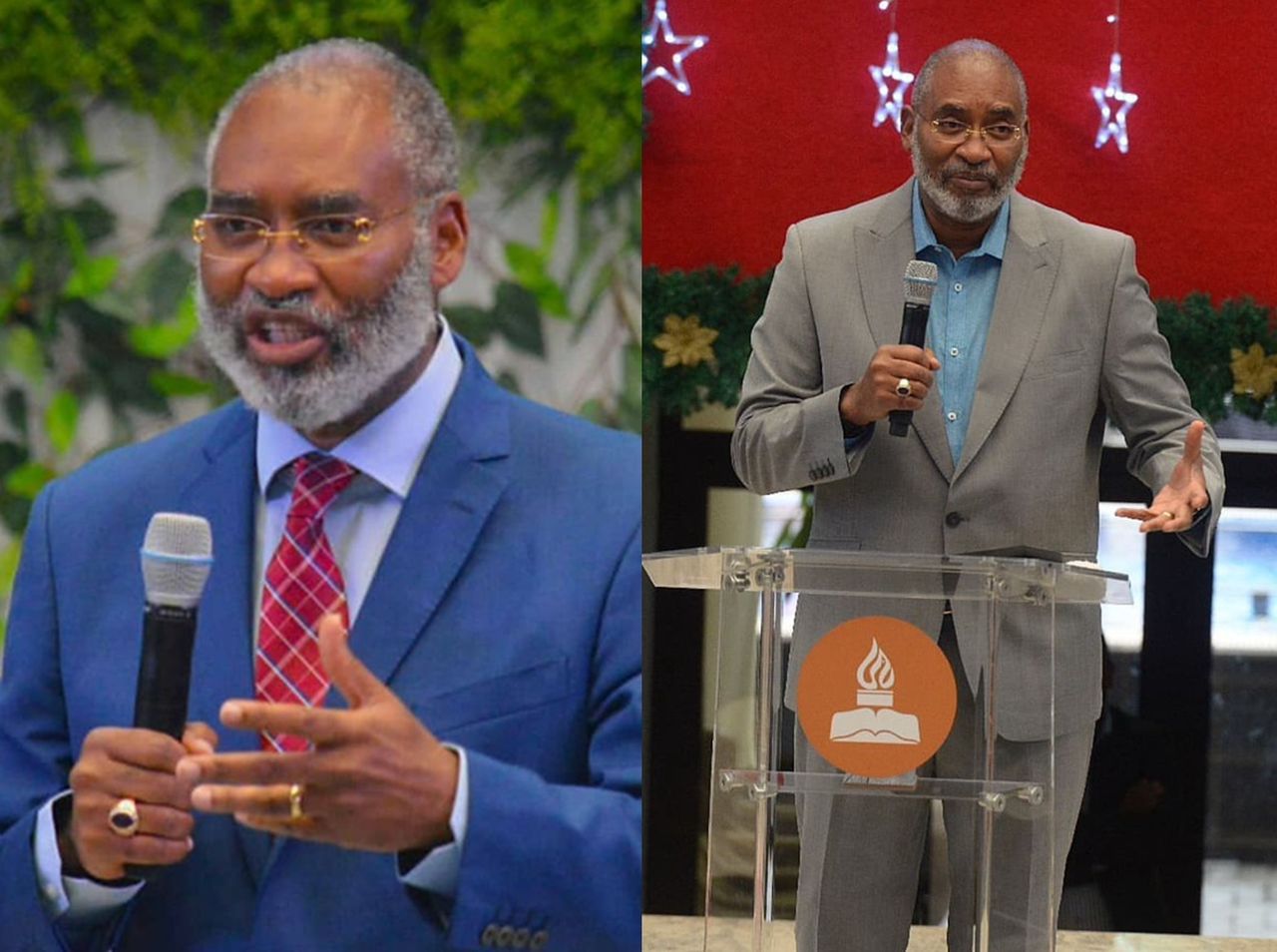
“After 40 Years of Silence, Why Now?” — Clergyman Wale Adefarasin Questions US’s ‘Sudden Love’ for Nigerian Christians
In the wake of renewed international attention on the plight of Christians in Nigeria, prominent clergyman and senior pastor of Guiding Light Assembly, Pastor Wale Adefarasin, has stirred intense debate by questioning the motives behind the United States’ recent outcry over religious persecution in the country. Speaking candidly, Adefarasin asserted that the killings of Christians in Nigeria have been ongoing for over four decades, lamenting that it is neither a new phenomenon nor something that can suddenly be labeled a genocide by foreign observers who, according to him, had long turned a blind eye to the situation.
His remarks come just days after former US President Donald Trump issued a fiery statement warning of alleged systematic killings of Christians in Nigeria, sparking heated diplomatic exchanges between Washington and Abuja. While Trump’s comments have drawn strong reactions from both Christian and Muslim communities, Adefarasin’s perspective adds a new layer of complexity to the conversation, highlighting what he describes as “performative compassion” from the international community.
“Let’s be honest,” Adefarasin reportedly said in a recent sermon, “Christians have been targeted, attacked, and killed in Nigeria for more than forty years. This is not new. So why is the United States suddenly so concerned? Why now? Why this so-called love for Nigerian Christians that didn’t exist when our people were dying quietly for decades?”
His statement has ignited widespread discussion across social media and among faith-based organizations. Some have praised his courage to speak uncomfortable truths, while others argue that downplaying international attention could weaken advocacy for victims of religious violence.
Nigeria’s complex religious landscape has long been marred by clashes and tensions between various ethnic and faith communities. From the Maitatsine riots of the 1980s to the recurring farmer-herder conflicts and Boko Haram’s insurgency, the country’s northern and central regions have witnessed repeated waves of sectarian violence. Reports of church burnings, kidnappings of pastors, and attacks on Christian communities have been documented over the years, often met with muted responses from both domestic and international authorities.
Adefarasin’s comments, therefore, reflect a deeper frustration with what he perceives as selective empathy and geopolitical interest disguised as moral concern. “It’s interesting that the same America that said little when our people were slaughtered in Kaduna, Benue, and Plateau suddenly remembers to care when it suits a political narrative,” he remarked, questioning whether the US’s attention has more to do with global politics than genuine concern for human rights.
The timing of these remarks could not be more sensitive. Trump’s recent statements on Nigeria, where he accused the government of failing to protect Christians, have been met with mixed reactions. Some Christian leaders welcomed the statement, saying it finally brings long-overdue international visibility to a neglected crisis. Others, like Adefarasin, see it as opportunistic and potentially destabilizing.
Observers note that Adefarasin’s comments also reflect a growing weariness among Nigerian clergy about being used as pawns in global ideological battles. “We must not allow foreign powers to define our pain or use our suffering as propaganda,” he reportedly said. “We have been bleeding for forty years. If they didn’t care then, their sudden sympathy now should be questioned.”
His remarks have reignited discussions about the broader issue of religious tolerance and justice in Nigeria. Many citizens, especially those from Christian-majority areas, argue that the government has not done enough to protect vulnerable communities. On the other hand, Muslim leaders often caution against framing the violence purely as a religious war, pointing instead to political, ethnic, and economic factors driving the conflicts.
The federal government has repeatedly denied accusations of religious bias, insisting that it is working to curb all forms of insecurity across the country. However, public confidence remains low, as repeated attacks in states like Plateau, Benue, and Kaduna continue to claim lives despite promises of intervention.
Adefarasin’s blunt assessment resonates with many Nigerians who have grown skeptical of both local and foreign actors. For decades, countless reports and documentaries have detailed the persecution of Christians and other minority groups, yet little tangible change has followed. “When a crisis becomes normalized, the world stops paying attention,” Adefarasin said. “Now, when the world suddenly starts talking about us again, we must ask what their real motive is.”
His words echo the sentiments of a generation of Nigerians who have witnessed endless cycles of violence, from religious extremism to banditry and terrorism. In many rural communities, Christians continue to worship under constant fear, while thousands have been displaced from their ancestral homes. Despite these realities, the clergyman’s remarks emphasize a need for consistency, accountability, and sincerity in addressing Nigeria’s humanitarian crises.
Meanwhile, social media platforms have been ablaze with divided opinions. Some users applauded Adefarasin’s stance, arguing that the West often amplifies African issues only when it aligns with their political agenda. “Pastor Wale is right,” one user wrote on X (formerly Twitter). “Where was America when thousands of Nigerian Christians were being massacred years ago? Now they remember because it’s politically convenient.” Others, however, accused the cleric of trivializing genuine advocacy, insisting that any form of global attention, regardless of its timing, should be welcomed if it helps save lives.
Religious experts say Adefarasin’s comments point to a larger problem of trust between Nigeria and the international community. The country’s citizens have seen decades of broken promises from both sides — from foreign governments offering aid with strings attached, to local leaders who exploit religious sentiments for political gain. “At the end of the day,” Adefarasin said, “it is Nigerians who bury their dead. No one else.”
As the debate intensifies, one thing is clear: Nigeria’s religious violence is not a new story, but an old wound reopened by shifting global narratives. While the United States’ renewed interest might spark fresh diplomatic pressure or humanitarian support, many Nigerians, like Adefarasin, are demanding authenticity — not sympathy wrapped in politics.
His message cuts through the noise with unsettling clarity: “If you care about us, care consistently. Don’t care only when it’s convenient. We don’t need performative love; we need justice, security, and truth.”
Whether his words will shift the conversation remains to be seen. But one undeniable fact stands out — for over 40 years, Nigerian Christians have lived under the shadow of violence, and the world’s sudden awakening, as Adefarasin argues, says as much about global hypocrisy as it does about Nigeria’s enduring pain.
In a country weary of being both a victim and a talking point, Adefarasin’s challenge echoes loud and clear — will the world finally listen, or is this just another chapter in a long story of selective outrage?
Popular Posts
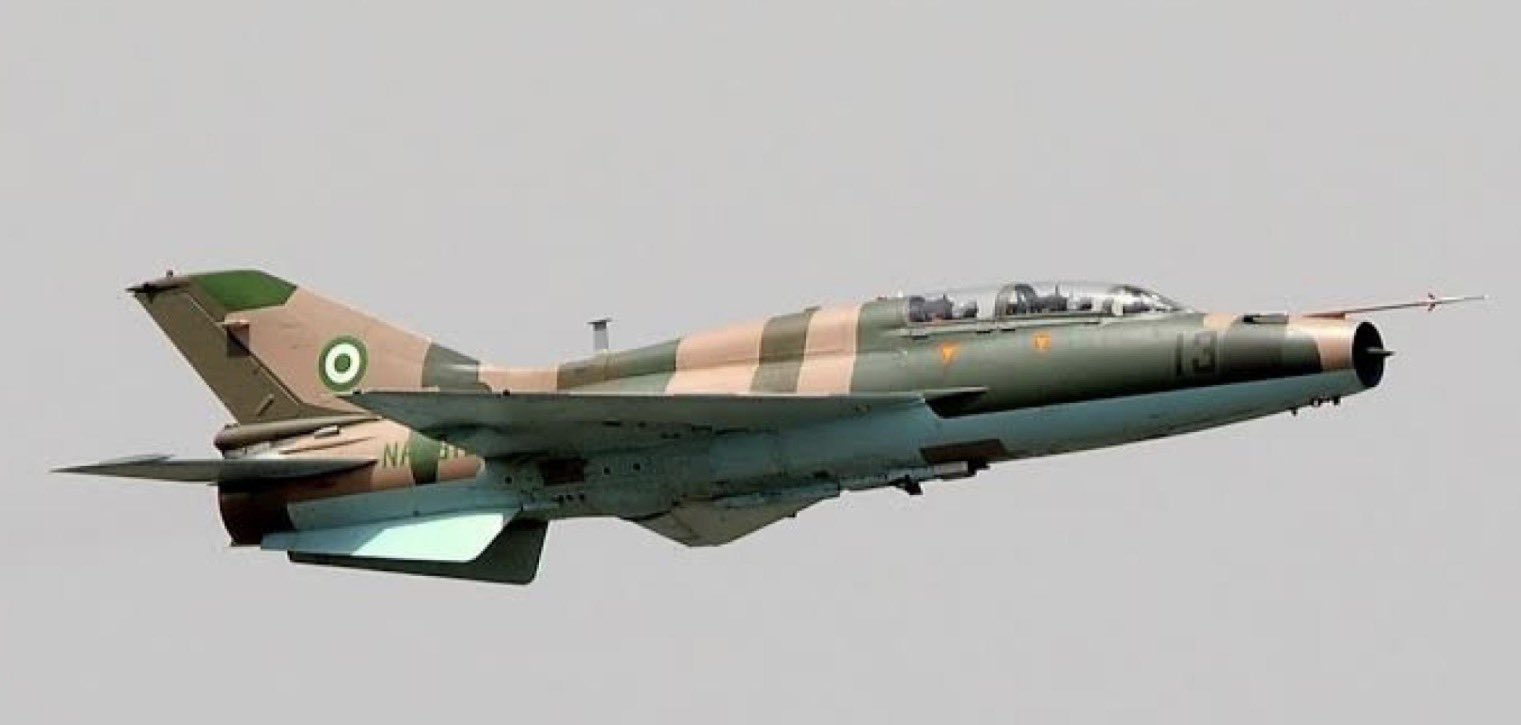
Nigeria Pulls Back Fighter Jet After Benin’s Failed Coup as Calm Returns to the Region
07 Dec, 2025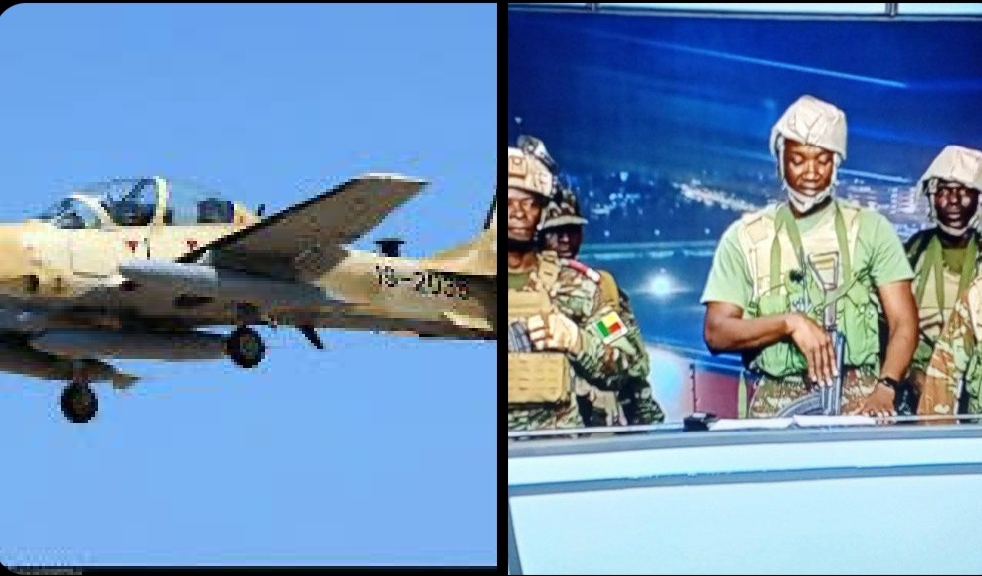
Nigerian fighter jets deployed to Benin Republic as military takeover triggers regional alarm
07 Dec, 2025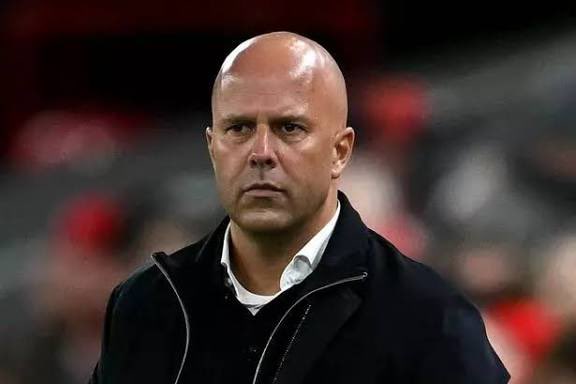
Arne Slot Fired in Stunning Shake-Up: Liverpool Rocked by Sudden Managerial Dismissal
07 Dec, 2025Scroll to Top