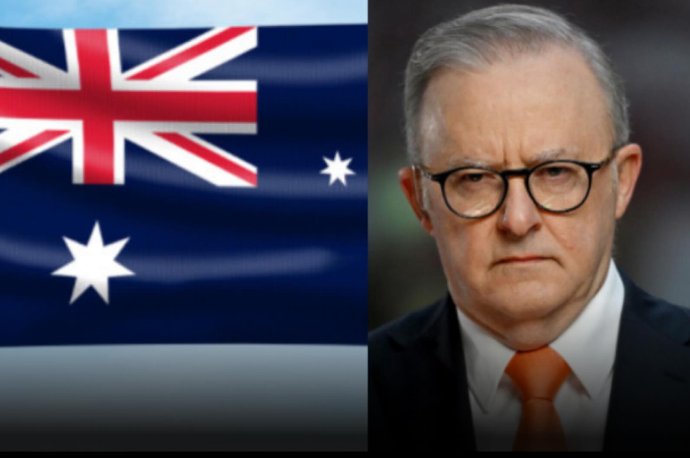
Australia’s Midnight Shockwave: How a Bold Social Media Ban for Under-16s Is Rewriting the Future of Online Childhood
Australia has sent shockwaves across the globe by becoming the first country to officially enforce a nationwide ban preventing children under 16 from accessing major social media platforms. The unprecedented law, which quietly rolled into effect at midnight in Sydney, has instantly redefined what it means to grow up in
Australia has sent shockwaves across the globe by becoming the first country to officially enforce a nationwide ban preventing children under 16 from accessing major social media platforms. The unprecedented law, which quietly rolled into effect at midnight in Sydney, has instantly redefined what it means to grow up in the digital age—sparking applause, outrage, confusion, and widespread debate that is likely to ripple far beyond the continent.
With the stroke of legal authority, more than five million Australians under the age of 16 woke up to a new reality: Instagram feeds inaccessible, TikTok loops frozen, Snapchat streaks abandoned, and YouTube recommendations locked behind age-restricted barriers. That number includes nearly one million teens aged 10 to 15, according to the national statistics bureau, making this not just a minor adjustment but one of the biggest technology-policy disruptions in modern history.
The sweeping restriction targets nearly every mainstream platform that has become central to youth culture. Facebook, Instagram, Snapchat, TikTok, Threads, X, Reddit, YouTube, as well as popular livestreaming spaces like Kick and Twitch, now legally require users to be 16 or older to access their services. For many young people, this law doesn’t just curb entertainment—it disrupts identity, communication, learning patterns, and daily routines they’ve built around digital ecosystems.
Parents woke up to their phones buzzing with school group chats, media alerts, and early-morning arguments from confused teenagers trying to log in. Some parents praised the move as overdue, calling it a protective step against an online world that has grown increasingly harmful. Others complained that the government overreached, interfering with how families choose to raise their children, and creating what they describe as a logistical nightmare for households with tech-savvy kids who are likely to find workarounds.
Government officials, however, insist the drastic measure was necessary. The growing concerns over online addiction, mental health struggles, algorithmic exposure, cyberbullying, exploitation, and the high-speed spread of harmful content formed the backbone of the decision. For years, studies have warned of the heavy psychological toll social media places on young minds, showing correlations with anxiety, depression, body image issues, and sleep disruption. Australian lawmakers say they could no longer ignore the mounting evidence.
Under the new framework, platforms are required to implement stronger age-verification systems—something tech giants have long resisted due to cost, privacy implications, and the fear of losing younger users. Failure to enforce the ban could attract massive fines, placing pressure on companies to cooperate or risk major financial damage. Overnight, the digital border between minors and social media became one of the strictest in the world.
Despite the sweeping nature of the ban, not all digital platforms are affected. Services designed specifically for younger audiences—such as YouTube Kids—remain untouched. Google Classroom, widely used in schools, continues to be fully allowed. Messaging apps like WhatsApp also remain accessible to under-16s, though the government has hinted that guidelines for encrypted platforms may be revisited in the future. The selective exemptions attempt to strike a balance between protecting children and ensuring they are not disconnected from essential communication tools or educationa
l resources.
As expected, the reaction from young Australians has been loud, frustrated, and emotional. Teenagers have taken to whatever platforms they still have access to—primarily messaging apps—to vent their anger, confusion, and disbelief. Some say the government is treating them like children incapable of safe decision-making. Others argue that social media is their primary connection to friends, hobbies, global culture, and even income for those who manage early online businesses or content-creation side gigs.
Schools across the country are bracing for the immediate fallout. Teachers predict both relief and turbulence: while some classroom disruptions caused by social media may fade, others involving student communication, group projects, and extracurricular coordination may become more complicated. School counselors, already stretched, expect a wave of emotional responses from students feeling socially cut off or overwhelmed by the sudden change.
Meanwhile, global observers are watching closely. Many countries, including the United States, Canada, and those across Europe, have debated similar measures but stopped short of full-scale bans. Australia’s bold move is likely to reignite those conversations, especially as governments wrestle with the challenges of regulating Big Tech while addressing youth safety. Critics fear the ban may fuel underground digital behavior, encouraging children to use VPNs, fake IDs, and loopholes. Supporters, however, argue that doing nothing would be far worse.
Tech companies, for their part, have responded cautiously but not quietly. Several have expressed concerns about being forced to collect more sensitive data for age verification, potentially clashing with privacy expectations and consumer trust. Others warn that the ban could set a precedent that disrupts global social media operations. Still, the government is standing firm, emphasizing that children’s wellbeing outweighs corporate discomfort.
The broader cultural implications are equally important. For many young Australians, social media has been more than a pastime—it has been a developing space for creativity, community, activism, and digital literacy. The sudden removal of that environment will reshape how this generation socializes and expresses itself. Some experts believe the ban may lead to healthier offline habits, more physical activities, deeper real-life interactions, and lower digital dependence. Others worry it will increase isolation for children who already struggle to make connections outside the internet.
As midnight turned into dawn, Australia entered uncharted territory. Parents scrambled to explain the new rules to their children, tech companies scrambled to reinforce their platforms, and lawmakers stood ready to defend what they call a necessary safeguard for the nation’s future. Whether this turns out to be a visionary step toward protecting young minds or a controversial overreach that sparks global backlash remains to be seen.
What is clear, however, is that the world is watching closely. Australia has drawn a bold digital line in the sand—one that may define the next chapter of global internet governance. The coming weeks will reveal how families adapt, how tech companies respond, and whether other nations dare to follow, resist, or reinvent the path Australia has just carved.
Share this post
Related Posts

Nigeria Overtakes the Spotlight as the World’s Second Highest in Paternity Fraud, Just Behind Jamaica
In a revelation that has sent shockwaves across the globe and stirred heated conversations both...

From Loyalty to Opportunism: Samklef Calls Out VeryDarkMan Over Allegiances to Burna Boy and Davido
In what is shaping up to be one of the most controversial entertainment call-outs in...

“Nobody Dey Go Out!” Security Man Locks Compound Gate, Demands Salary Before Releasing Residents
In what can only be described as a dramatic showdown straight out of a Nollywood...