Entertainment
Bimbo Akintola Reveals Why She Supported Tinubu: “Someone Annoyed Me With Their Bullying”
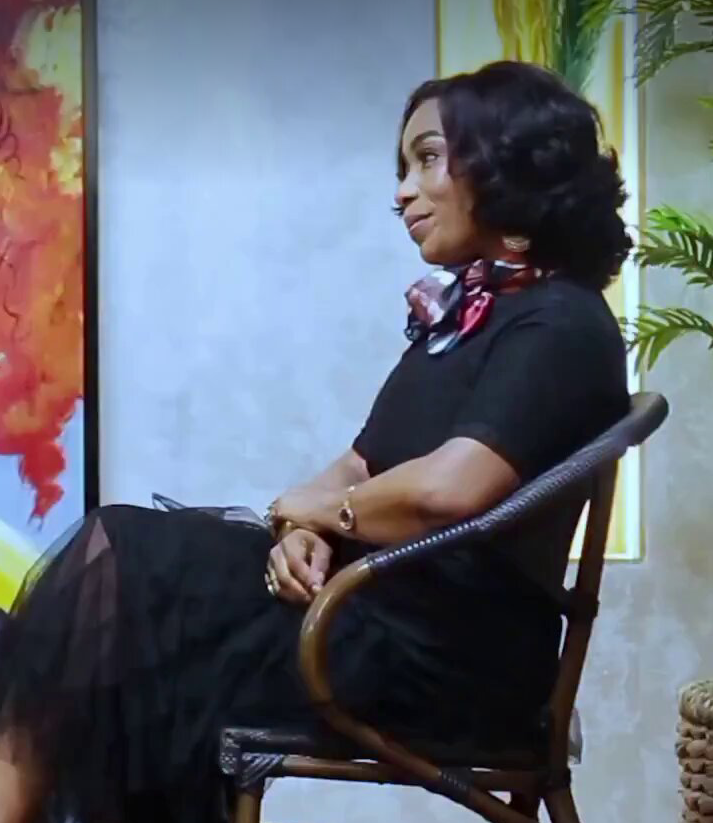
Nollywood veteran Bimbo Akintola has sparked fresh conversation across social media after openly explaining why she supported President Bola Ahmed Tinubu during the last general election. In a candid statement that has stirred mixed reactions, the award-winning actress revealed that her choice was influenced by a moment of personal irritation rather than political persuasion, emphasizing that every individual has the right to support whoever they choose without fear, pressure, or intimidation.
Akintola, known for her brilliant performances in classics like Dangerous Twins, 93 Days, and The Silent Baron, disclosed that her decision was triggered when someone attempted to bully her because of her political preference. According to her, the encounter not only strengthened her resolve but also pushed her to double down on her choice. She further stressed that bullying people into supporting a candidate is not only wrong but strips individuals of their democratic freedom and voice. Her statement has now opened a wider conversation about voter intimidation, celebrity political endorsements, and the growing culture of online aggression during elections.
In her words, “I supported President Tinubu during the last election because someone annoyed me with their bullying. Everyone has the right to choose who they want.” The remark, simple yet profound, has continued to trend among fans, critics, and political observers. Many Nigerians on social media have expressed surprise at how such a personal experience could shape her political stance, while others praised her for standing firm in her convictions despite the backlash celebrities often face when they openly identify with a candidate.
Bimbo Akintola is no stranger to speaking her mind. Over the years, she has built a reputation for being outspoken about issues affecting the entertainment industry, governance, and society at large. However, political declarations from public figures in Nigeria often attract substantial scrutiny, and her latest revelation has been no exception. Some users have argued that political choices should be rooted in policy, vision, and leadership qualities rather than emotional responses, while others insist that every voter has the right to be influenced by whatever factors they find compelling—whether personal or ideological.
The timing of her statement also comes at a moment when Nigerians are still deeply divided about the last election. With economic challenges, governance discourse, and partisan tensions still shaping national conversation, any celebrity commentary tends to reignite old debates. Bimbo’s comment has once again placed a spotlight on how emotionally charged the 2023 elections were, particularly on social media, where supporters of various candidates often clashed aggressively.
During the election season, several celebrities publicly endorsed candidates, sparking heated exchanges among fans who either felt validated or betrayed. The entertainment industry became a battleground of political influence, with actors, musicians, skit makers, and influencers taking sides, sometimes leading to online harassment or backlash. Akintola’s claim of being bullied is a reminder of how toxic the political climate became—not just for politicians, but for ordinary citizens and public figures who dared to share their preferences.
Observers have noted that the actress’ experience is part of a broader pattern in Nigerian politics, where voters often feel pressured or attacked for supporting particular candidates. The rise of social media has amplified this dynamic, making it increasingly difficult for individuals—especially celebrities whose lives are always under public scrutiny—to express their choices without facing cyberbullying. Bimbo’s decision to speak out may encourage more public figures to discuss their own experiences of political pressure, intimidation, and online harassment.
Despite the divided reactions, many fans have come to her defense, insisting that her right to vote for any candidate is constitutionally protected and not subject to public approval. They argue that bullying someone into supporting a different candidate defeats the essence of democracy. According to some of her supporters, her explanation simply humanizes the complexities behind political decisions, especially in a country where emotions often run high during elections.
On the other side, critics believe her statement trivializes the seriousness of the electoral process, suggesting that such a major decision should not be based on annoyance. Some have questioned why a single experience of perceived bullying was enough to make her stake her support on one candidate over another. They claim that public figures carry a responsibility to provide more substantial reasoning for their political endorsements, given the influence they wield.
Still, Bimbo Akintola’s message remains clear: she stood her ground against what she describes as intimidation. Her insistence that “everyone has the right to choose who they want” echoes a fundamental democratic principle—one that resonates deeply in a nation where political choices often become personal battles. Whether or not people agree with her method of choosing a candidate, her statement forces an important reflection on the conduct of political discourse in Nigeria.
As reactions pour in, entertainment analysts believe this revelation may also shape conversations around celebrity influence in politics ahead of future elections. Many celebrities have previously avoided political discussions entirely, fearing backlash or misinterpretation. But Akintola’s forthrightness could embolden others to speak up about their experiences, whether positive or negative.
Her fans, meanwhile, continue to share their thoughts across platforms, with some expressing admiration for her courage and authenticity. Others remain sharply critical, arguing that the stakes of leadership selection are too high for emotional decisions. Yet the debate itself highlights the diversity of thought within Nigeria’s democracy—a reminder that people arrive at their choices through different journeys, motivations, and circumstances.
For now, Bimbo Akintola’s revelation adds another layer to her public persona: one of a woman unafraid to explain her choices, even when they spark controversy. Whether her disclosure will change public perception of her political stance remains uncertain, but it has undoubtedly reignited discussions about personal agency, voter freedom, and the often-unseen pressures behind political alignment in Nigeria.
Her words may continue to generate conversation, but they underscore an undeniable truth: democracy thrives when people can choose freely, without fear, coercion, or intimidation. And for Bimbo Akintola, her choice—shaped in a moment of confrontation—was simply her right to exercise.
“I supported President Tinubu during the last election because someone annøyed me with their bûlly!ng. Everyone has the right to choose who they want.”
— OLAMIDE 🌸💖 (@Olamide0fficial) December 6, 2025
- Nollywood Actress Bimbo Akintola pic.twitter.com/JAqPcOUhxa
Twitter Post
Visit websitePopular Posts
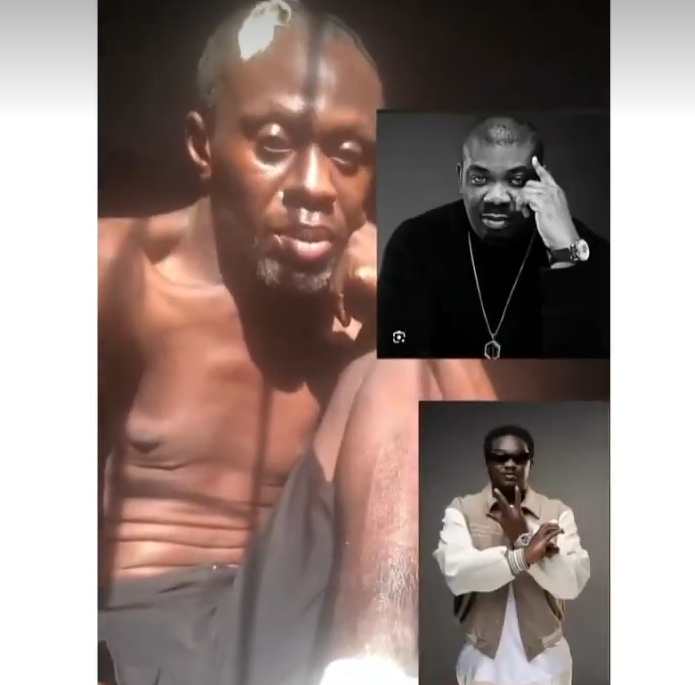
Forgotten Kingmaker: EmekaTheStar Cries Out After Claiming He Helped Shape Don Jazzy and Wande Coal’s Rise
06 Dec, 2025
Peller Stirs Social Media Frenzy as TikTok Star Splurges Millions on a Brand-New Mercedes-Benz
06 Dec, 2025
₦400k and Still Delayed: Jemima Osunde’s Frustrating Lagos–Benin Flight Experience Sparks National Outrage
06 Dec, 2025Scroll to Top