Entertainment
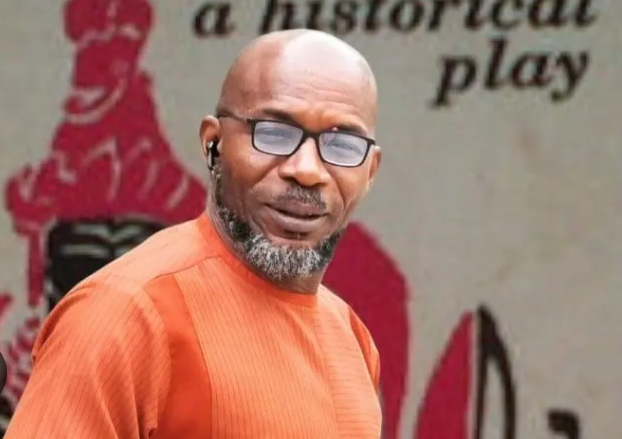
Dragged from the Pitch to the Palace: Actor Don Pedro Obaseki Recounts Ordeal of Abduction, Assault and Public Humiliation in Benin City
A quiet Sunday morning meant for exercise and camaraderie turned into a nightmare for Nigerian actor and cultural advocate, Dr Don Pedro Obaseki, who has narrated a harrowing account of abduction, assault and public humiliation that has since sent shockwaves across Edo State and beyond. The incident, which occurred in broad daylight in Benin City, has sparked widespread outrage, renewed debates about power, tradition and accountability, and raised troubling questions about the use of force in the name of culture.
Speaking emotionally to African Independent Television, Obaseki said the ordeal unfolded between 11:00 and 11:30 a.m. while he was playing a friendly football match with members of the Uwa All Stars at the Uwa Primary School field. According to him, the game was suddenly interrupted when a group of men stormed the pitch without warning. Some of the men, he said, appeared armed, and before he could fully understand what was happening, he was singled out, seized and forcefully taken away.
Obaseki recounted that he was dragged off the football field in front of teammates and onlookers, an experience he described as shocking and disorienting. He said he repeatedly asked the men who they were and why he was being taken, but his questions were met with violence rather than answers. As they pulled him along, he claimed he was beaten, manhandled and verbally abused, with no explanation offered beyond vague assertions that they were acting on orders.
What followed, Obaseki said, was a humiliating procession through several major streets in Benin City, including Igbesawan Street, Akpakpava Road and Ring Road. He alleged that during this forced march, his clothes were stripped off in public, leaving him exposed before passersby. The actor said the experience was deeply degrading and traumatizing, especially given the public nature of the ordeal and the respect he believed he had earned over decades of service to Benin culture and the arts.
According to Obaseki, his abductors claimed they were sent by the Oba of Benin Palace, an assertion that left him both confused and distressed. He said that despite the gravity of their claim, none of the men was able or willing to present any form of identification when he demanded to see proof of their authority. “I begged them to show me some form of ID, of course not,” he told AIT. “I was dragged, beaten severely, manhandled and taken into the palace.”
The actor, who is also a cousin of former Edo State Governor Godwin Obaseki, said the incident was particularly painful because of his lifelong devotion to promoting Benin history, language and traditions both at home and abroad. He described himself as someone who has always seen culture as a source of pride and unity, making the alleged treatment he received all the more devastating.
After being taken to the palace premises, Obaseki said events eventually led to his transfer to a police station along Oba Market Road. It was there, he said, that the Edo State Commissioner of Police intervened decisively. According to Obaseki, the police commissioner personally visited him multiple times, listened to his account and ultimately ordered his release. The actor credited the intervention with preventing the situation from escalating further, but said the psychological impact of what he endured remains heavy.
Obaseki revealed that the incident was allegedly linked to comments he made during a recent visit to London. While addressing people during the trip, he said he offered a goodwill message in Edo language, saying “Edo gha to’kperewa,” which translates to “May Edo people live long and prosper.” According to him, he was later informed that this was considered a serious cultural violation because the traditional phrase “Oba gha to’kpere,” meaning “May the Oba live long and prosper,” was not used instead. He said he was stunned that such an utterance could be interpreted as an offence grave enough to warrant violence and public humiliation.
Since Obaseki’s account became public, reactions have poured in from across Nigeria, particularly on social media, where many have expressed anger, disbelief and concern. Civil society groups, cultural commentators and ordinary citizens have questioned how a dispute over words could allegedly result in such treatment, especially without due process. Calls have grown louder for a transparent investigation into the actions of those involved and for assurances that no one, regardless of status or tradition, is above the law.
The incident has also reignited discussion about the delicate balance between traditional authority and modern governance in Edo State. It comes against the backdrop of long-standing tension between the Oba of Benin, Oba Ewuare II, and former Governor Godwin Obaseki. Their disagreements, which have played out publicly in recent years, have centered on issues such as control over cultural heritage, the administration of Benin artifacts and broader questions of traditional authority versus state power. While Dr Don Pedro Obaseki’s experience is separate, many observers see it as unfolding within this larger context of unresolved friction.
Legal analysts have pointed out that abduction, assault and public humiliation are serious allegations under Nigerian law, regardless of who is accused of authorizing them. They argue that cultural norms, while important, cannot override constitutional rights to dignity, personal liberty and fair treatment. Human rights advocates have echoed these sentiments, warning that failure to address the incident decisively could set a dangerous precedent.
For Obaseki, the focus now appears to be on healing and seeking justice. He has described the experience as one of the most traumatic moments of his life, saying it has left emotional scars that will take time to heal. At the same time, he has emphasized that his intention in speaking out is not to attack Benin culture, which he continues to revere, but to ensure that no one else suffers similar treatment.
As public pressure mounts, many Nigerians are watching closely to see how authorities respond and whether those responsible will be held accountable. The incident has become more than a personal story; it has evolved into a national conversation about power, respect, tradition and the limits of authority. In a country grappling with issues of justice and trust in institutions, the ordeal of Dr Don Pedro Obaseki has struck a nerve, leaving many to ask how such an episode could happen in plain sight, and what it says about the society that allowed it to unfold.
Popular Posts

Apology on the Altar, Applause in the Pew: Peace Ig hodaro Sparks Debate After Pastor’s Confession Shakes Social Media
29 Dec, 2025
“A Nation on Autopilot?” Sowore’s Health Claims Spark Fresh Debate Over Nigeria’s Leadership Transparency
29 Dec, 2025
Kano on the Brink: Abba Yusuf’s Planned Defection to APC and a Deputy Governor’s Impeachment Rock the State’s Political Landscape
29 Dec, 2025Scroll to Top