Entertainment
‘Everywhere Was Solid Rock’: Lawyer Sparks National Debate After Calling for the End of Corsets in Aso Ebi Culture
A light-hearted but pointed comment by a Nigerian lawyer on social media has ignited a wider cultural conversation about fashion, comfort, and evolving traditions, after she called for the gradual eradication of corsets from aso ebi outfits following what she described as an “aura-for-aura” encounter at a wedding ceremony. The post, shared on X by Moe, known online as @Mochievous, has since resonated with thousands of Nigerians who say they have silently endured the discomfort that now defines many celebratory gatherings.
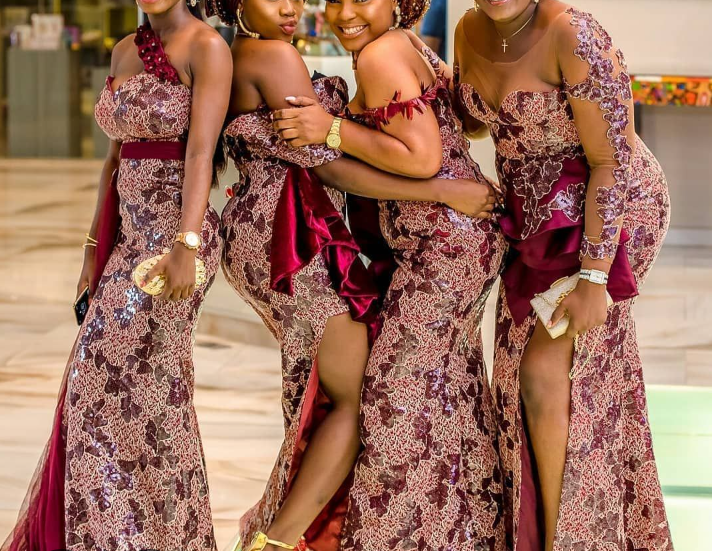
In her viral post, Moe lamented her inability to properly hug friends at a recent wedding because the corsets worn as part of their aso ebi outfits kept colliding awkwardly. She described the experience as two solid objects jamming into each other, likening the scene to medieval soldiers clad in armour rather than guests attending a joyful celebration. Her words, though humorous, struck a nerve, painting a vivid picture of how rigid fashion trends have transformed moments meant for warmth and connection into stiff, almost comical encounters.
“Omo corset trend in asoebi needs to go,” she wrote, capturing the frustration many feel but rarely articulate. According to her, everywhere at the event felt like “solid rock,” with guests struggling to move naturally or express affection because of tightly structured bodices. While she admitted, with some resignation, that she would likely participate in the trend again due to social expectations, she argued that collectively, Nigerians need to start phasing it out.
The comment quickly gained traction, sparking debates across social media platforms. Many users echoed her sentiments, sharing personal stories of struggling to sit comfortably, dance freely, breathe easily, or even eat properly at weddings and parties because of corsets. For some, the trend has turned what should be hours of celebration into an endurance test, endured purely for the sake of aesthetics and social conformity.
Corsets have become a dominant feature in modern aso ebi fashion, prized for their ability to create a cinched waist, structured silhouette, and dramatic presence in photographs. Designers and stylists often promote them as a symbol of elegance, luxury, and “pepper dem” confidence. Over time, the corset has evolved from a fashion option into an almost compulsory element of many aso ebi looks, especially for women attending high-profile weddings and parties.
However, critics argue that the trend prioritises appearance over comfort and communal experience, which are central to Nigerian celebrations. Weddings, funerals, naming ceremonies, and anniversaries are traditionally spaces of warmth, movement, laughter, dancing, and physical expressions of joy or sympathy. When fashion restricts basic gestures like hugging or dancing, some say it undermines the spirit of these gatherings.
Moe’s post stood out not just because of its relatability, but also because it came from a professional voice, framed with wit rather than outrage. Her description of corseted guests bumping into each other like armoured warriors created a shared image that many Nigerians instantly recognised. The phrase “aura-for-aura encounter,” used jokingly to describe the awkward physical clashes, quickly became a talking point online, with users laughing while nodding in agreement.
Some fashion enthusiasts and designers, however, have come to the defence of corsets, arguing that the issue is not the garment itself but poor tailoring and extreme styling choices. They point out that well-made corsets, properly fitted, can be comfortable and flattering without turning the wearer into what one user jokingly called a “human sculpture.” According to this camp, the problem lies in mass-produced designs and unrealistic beauty standards that push people to wear overly tight or rigid outfits for social validation.
Others see the trend as part of a larger conversation about body image and societal pressure. Several women noted that refusing to wear a corset to an aso ebi event often attracts unsolicited comments, subtle shaming, or assumptions that one did not “dress well enough” for the occasion. In this sense, corsets have become less about personal choice and more about conformity, driven by social media aesthetics and the fear of standing out for the wrong reasons.
There is also a generational angle to the debate. Older Nigerians recall earlier aso ebi styles that emphasised flowing fabrics, comfort, and elegance without excessive structure. While fashion has always evolved, some elders worry that the current obsession with stiff silhouettes sacrifices cultural essence for fleeting trends. They argue that aso ebi was originally meant to symbolise unity and collective identity, not physical discomfort or competition.
Despite the criticism, Moe’s post was not a call for an outright ban but rather a plea for gradual change. Her suggestion to “start phasing it out” reflects an understanding of how deeply entrenched the trend has become. Many respondents appreciated this balanced approach, acknowledging that while corsets may not disappear overnight, there is room for more breathable designs, softer structures, and greater acceptance of alternative styles.
The conversation has also encouraged some designers to showcase corset-free aso ebi looks, highlighting outfits that combine structure with flexibility. A few fashion influencers have begun sharing throwback photos of traditional styles, sparking nostalgia and renewed appreciation for less restrictive designs. In this way, what began as a humorous rant has evolved into a meaningful cultural dialogue.
At its core, the debate raises questions about why Nigerians dress the way they do for celebrations and who ultimately benefits from these trends. Is fashion serving the people, or are people bending themselves, sometimes literally, to serve fashion? For many, Moe’s experience at that wedding was a reminder that joy, comfort, and connection should not be casualties of style.
As wedding season continues and social calendars fill up, the corset conversation shows no sign of slowing down. Whether the trend will truly be phased out remains to be seen, but one thing is clear: a simple tweet has cracked open an honest discussion about how Nigerians want to look, feel, and interact at their most cherished gatherings. And for now, at least, many will be thinking twice the next time they find themselves armoured up, struggling to hug a friend across a sea of “solid rock.”
Popular Posts

“A Nation on Autopilot?” Sowore’s Health Claims Spark Fresh Debate Over Nigeria’s Leadership Transparency
29 Dec, 2025
Kano on the Brink: Abba Yusuf’s Planned Defection to APC and a Deputy Governor’s Impeachment Rock the State’s Political Landscape
29 Dec, 2025
“My Heart Is Shattered”: Nollywood Actress Lizzygold Onuwaje Mourns the Loss of Her Father
29 Dec, 2025Scroll to Top