news
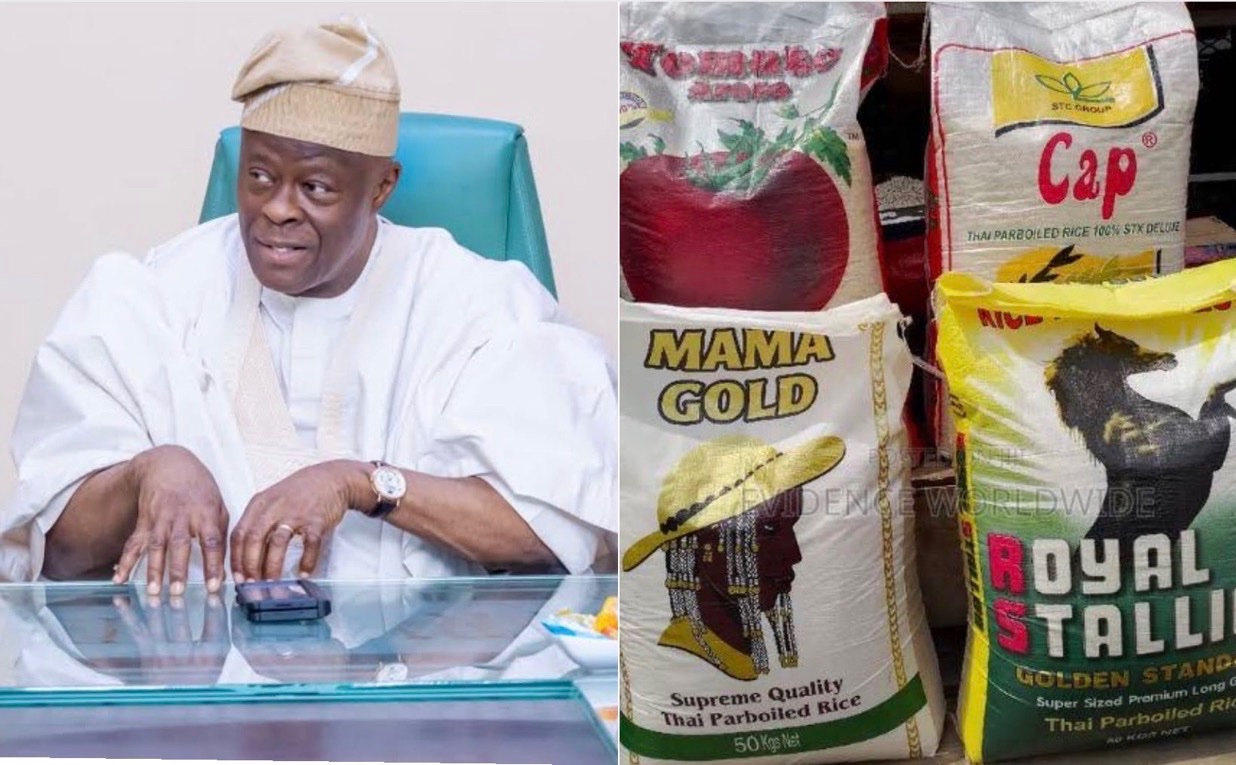
Finance Minister Wale Edun claims Tinubu’s reforms cut rice prices from ₦120,000 to ₦80,000 — Nigerians react with skepticism
Nigeria’s Minister of Finance, Wale Edun, has announced that President Bola Tinubu’s economic reforms have led to a significant drop in rice prices, claiming that a 50kg bag now sells for ₦80,000, down from ₦120,000 a year ago.
The statement, made during a recent economic briefing in Abuja, comes amid broader government efforts to justify the effects of Tinubu’s fiscal and trade policies.
Edun attributed the price reduction to increased imports and reopened borders, which have allowed a surge in rice supply across major markets. His claims were echoed in reports from Punch Newspapers and APAnews, which cited recent import data confirming a rise in rice shipments through Lagos and Seme.
However, the numbers tell a deeper story. Between 2023 and mid-2025, Nigeria’s rice prices had soared over 500%, driven by fuel subsidy removal, naira devaluation, and rising transportation costs. These factors turned rice—a staple food for millions—into one of the biggest contributors to the country’s 34% inflation rate, according to the National Bureau of Statistics (NBS).
Economists note that while the recent decline from ₦120,000 to ₦80,000 represents a correction, it is far from a full recovery. Before Tinubu’s administration came into power in May 2023, a 50kg bag of rice cost under ₦20,000 in most states, underscoring how sharply purchasing power has fallen since then.
Social media reactions mirrored this frustration. On X (formerly Twitter), Nigerians flooded the minister’s statement with disbelief. One user wrote, “So we’re celebrating ₦80k rice now? We used to buy it at ₦18,000. Please be serious.” Another added, “If this is progress, then what was poverty before?”
Analysts also caution that the apparent price drop could be temporary, as the reduction is driven more by imported supply than by growth in local production. Nigeria’s local rice farmers continue to face insecurity, flooding, and high input costs, leaving the country’s self-sufficiency goal far from reach.
While Edun’s remarks may signal optimism within the government’s economic team, the disconnect between official figures and market realities remains stark. For millions of households still struggling to afford daily meals, the price of rice—whether ₦80,000 or ₦120,000—remains a symbol of an economy where recovery feels more like rhetoric than relief.
Popular Posts

“I Was Having Flashbacks as She Was Kabashing”: Chike’s Candid Confession Sends Waves Through Social Media
06 Dec, 2025
Gospel Artist Victor Thompson’s 5th Wedding Anniversary Photos Spark Praise, Banter, and a Fresh Conversation on ‘Loving Good Things’
06 Dec, 2025
DJ DSF Sparks Debate as She Says It’s Better to Stay in Nigeria Than Do a Job You Hate in the UK
06 Dec, 2025Scroll to Top