
Entertainment
From Praise to Public Fallout: Boniface Blasts Carter Efe Over Wizkid Loyalty Row That’s Rocking Nigerian Entertainment
What began as playful admiration and public gratitude has now spiraled into a heated online confrontation that is dominating conversations across Nigerian social media, as Boniface openly accused skit maker and musician Carter Efe of ingratitude and disrespect toward global Afrobeats icon Wizkid and his longtime collaborator, DJ Tunez. The sharp rebuke, delivered in a widely shared statement, has reignited debates about loyalty, clout chasing, and the fragile nature of relationships in Nigeria’s fast-moving entertainment industry.
Boniface did not mince words as he recalled Carter Efe’s early days of publicly seeking Wizkid’s attention, describing how the comedian-turned-singer “ran round the whole Lagos” in hopes of getting close to the superstar. According to him, that persistence paid off when Carter Efe released “Machala,” a song openly celebrating Wizkid that quickly climbed to number one on Apple Music Nigeria. At the time, Carter Efe himself openly acknowledged Wizkid’s support, frequently crediting the singer for amplifying the track and helping propel his music career to new heights.
That history is what makes the current fallout so explosive. Boniface’s accusation centers on what he sees as a sudden and deliberate shift in attitude by Carter Efe, alleging that the same artist who once praised Wizkid now appears to be disrespecting him and DJ Tunez. “You chose to disrespect HIM and DJ Tunez,” Boniface wrote, framing the issue not as a minor misunderstanding but as a serious breach of loyalty. His final verdict was blunt and unforgiving: “You’re ungrateful.”
The statement immediately went viral, with fans, bloggers, and industry observers dissecting every line. For many, the controversy touches a nerve because it highlights a recurring tension in Nigerian pop culture: the fine line between paying homage and capitalizing on association. Carter Efe’s “Machala” era was widely seen as a breakthrough moment, not just because of its catchy hook but because it symbolized the power of endorsement—direct or indirect—from an established star like Wizkid. When that goodwill appears to sour, it raises uncomfortable questions about what artists owe one another once success arrives.
Online reactions have been sharply divided. Supporters of Boniface argue that gratitude is a core value in the industry and that publicly downplaying or mocking someone who helped elevate your career is unacceptable. To them, the issue is not even about Wizkid’s superstar status but about basic respect. They point to Carter Efe’s own past interviews and social media posts where he credited Wizkid for inspiration and support, suggesting that any perceived disrespect now feels like rewriting history.
On the other side, Carter Efe’s defenders insist that artists should be allowed to evolve, joke, or express themselves without being permanently indebted to anyone. Some argue that admiration does not equal lifelong allegiance and that the entertainment industry thrives on satire, exaggeration, and shifting narratives. In their view, calling someone “ungrateful” based on snippets of online banter risks oversimplifying a more complex relationship.
Still, the Wizkid factor makes the situation particularly sensitive. As one of Africa’s biggest music exports, Wizkid commands a loyal fan base that is famously protective. Any hint of disrespect toward him or his inner circle, including DJ Tunez, is almost guaranteed to provoke a strong backlash. This reality has turned what might have been a minor personal spat into a trending national conversation, with hashtags, memes, and reaction videos flooding timelines.
The controversy also underscores how quickly public opinion can turn in the age of social media. The same platforms that helped Carter Efe’s “Machala” reach number one are now amplifying criticism against him. In a digital ecosystem where screenshots live forever and old clips resurface instantly, artists are constantly judged against their past statements. Consistency, or at least the appearance of it, has become a form of currency.
Beyond the personalities involved, the episode reveals deeper truths about Nigeria’s entertainment landscape. Success often comes through networks of influence, mentorship, and co-signs, but those relationships are rarely governed by clear rules. When gratitude is expected but not formally defined, misunderstandings are almost inevitable. Boniface’s outburst reflects the frustration many feel when they believe respect has been discarded in the rush for relevance.
As of now, Carter Efe has not issued a detailed public response directly addressing Boniface’s accusations, leaving room for speculation and further debate. Whether he chooses to clarify his stance, apologize, or ignore the noise altogether could shape how the narrative evolves. In Nigerian pop culture, silence can be interpreted in many ways, from quiet confidence to implied guilt.
What is certain is that the clash has added another chapter to the ongoing conversation about humility, recognition, and the responsibilities that come with sudden fame. For emerging artists watching from the sidelines, the message is clear: today’s praise can quickly become tomorrow’s receipt. For fans, the drama serves as a reminder that behind the viral songs and comedy skits are real relationships, egos, and expectations that don’t always survive the spotlight.
In the end, the Boniface–Carter Efe–Wizkid saga is less about a single comment and more about the culture it exposes. It is a story of how admiration can morph into accusation, how success can complicate gratitude, and how Nigeria’s entertainment scene continues to grapple with the cost of clout in a digital age where nothing is forgotten and everything is shared.
“You were running round the whole Lagos looking for Wizkid, when you sang Machala they took you to number 1 on Apple Music. You also said Wizkid supported you. But now you chose to disrespect HIM and DJ Tunez. You’re ungr@teful human being.”
— Arthur🇳🇬🇬🇧🇸🇳 (@AjMachalaa) December 23, 2025
-Boniface to Carter Efe pic.twitter.com/A5e0dy2SVh
Twitter Post
Visit websitePopular Posts
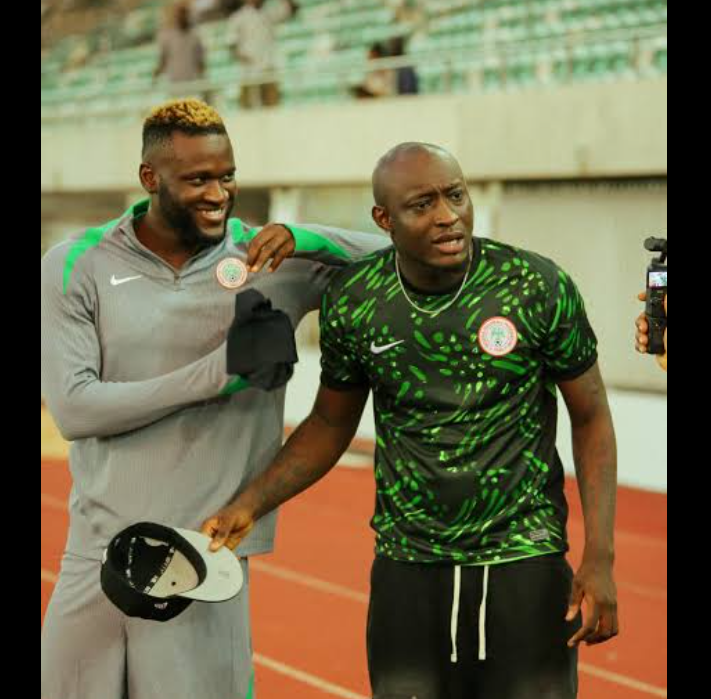
₦1 Million on the Line: Boniface Refuses to Return Carterefe’s iPhone 17 Pro Max After Explosive Bet Fallout
24 Dec, 2025
Drake’s $800,000 Christmas Surprise: Rap Superstar Gifts Friend a Brand New Rolls-Royce
24 Dec, 2025
“We’re Building, Not Rushing”: Shola Ogudu Explains Why Son Bolu, Champz, Is Stepping Back From Live Performances for Now
24 Dec, 2025Scroll to Top