From Threads to Thunder: Viral Crochet Masterpiece Sparks Drama and Laughter on Social Media
Social media erupted once again in the most unexpected way after popular crocheter and creative artist, Crochet Hashira, shared a stunning handmade piece that left thousands of users in awe. What began as a simple moment of pride in artistic craftsmanship quickly spiraled into a whirlwind of admiration, playful warnings,
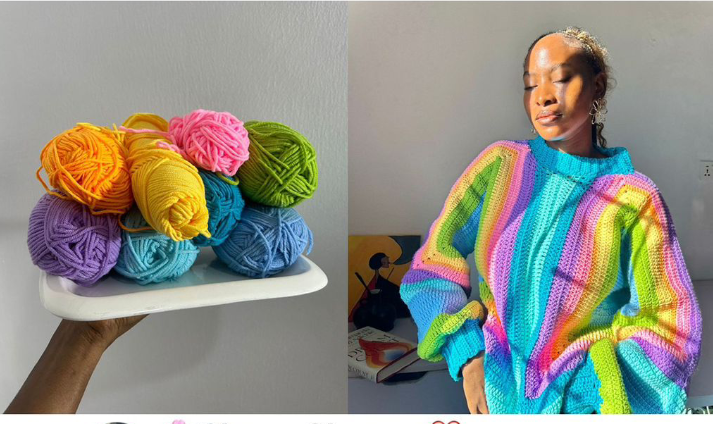
Social media erupted once again in the most unexpected way after popular crocheter and creative artist, Crochet Hashira, shared a stunning handmade piece that left thousands of users in awe. What began as a simple moment of pride in artistic craftsmanship quickly spiraled into a whirlwind of admiration, playful warnings, inside jokes, and the kind of sibling-related banter only the internet could amplify. The post, which showcased a beautifully crafted crochet artwork, was accompanied by the caption filled with excitement: “I still can\'t get over how beautiful this turned out. Guyssss! This came from my handsss.” With that single post, a quiet corner of X (formerly Twitter) suddenly became the center of trending conversations.
But the real spark came from user CharnyChanero, who added an unexpected twist to the celebration by quoting the post with a statement that instantly set the timeline buzzing: “Beware of your brothers Josephine.” That line, humorous and mysterious in equal measure, created a ripple effect across the platform as users hurried to decode its meaning, craft their own interpretations, or simply join in the laughter. Whether it was playful jab, a reference to a private joke, or an embellished warning inspired by popular culture, nobody really knew—yet everyone had something to say.
Within minutes, the comment section evolved into a comedic battlefield of memes, gifs, and elaborate storytelling. Some users insisted that the beautiful crochet design was far too precious to remain in the same house as potential siblings who might “borrow” it permanently. Others turned the message into a mini-narrative, imagining dramatic scenarios where a jealous sibling plots to claim the crochet masterpiece as their own. Since Nigerians are masters of humor and exaggeration, the jokes escalated quickly: from warnings that Josephine’s brother might “package the crochet to give one babe for Valentine,” to playful threats that the brother might take the creation and insist he “helped” in its making.
Meanwhile, admirers of the crochet work were just as loud. The craftsmanship was undeniably impressive—delicate, symmetrical, thoughtfully designed, and infused with a personal touch that resonated with anyone who has ever attempted DIY art. Crocheting itself has experienced a booming revival globally, especially among younger creatives who use it for fashion, décor, and even storytelling. So it wasn’t surprising that many users flooded the comments with praise, calling the piece “museum-worthy,” “a work of patience,” or “a soft reminder that art can still be handmade and magical.”
But beyond the jokes and the art appreciation, something else stood out: the sense of community that sprang up almost instantly. Even those who had no previous interest in crochet found themselves admiring the dedication behind the craft. Some people confessed that they had tried crocheting only to give up after ten minutes, now feeling inspired to try again. Others asked for tutorials, patterns, or commissions, turning the viral moment into a small marketplace of opportunity. In typical Nigerian fashion, a few dove straight into business mode, reminding Crochet Hashira to “better secure her intellectual property before someone claims it.”
What made this moment particularly heartwarming was the genuineness behind the original post. There was no attempt to curate a perfect online persona—just pure excitement from a creator proud of her handiwork. And in a digital world where creatives often feel pressured to achieve perfection or prove their worth, such honest joy was refreshing. The reactions showed that people still gravitate toward authenticity. They want to celebrate skill, effort, growth, and the journey behind art.
As the comment section continued to grow, theories around the “Josephine” mention multiplied. Some users jokingly claimed Josephine must be the artist’s real name and that her brother had already taken interest in the crochet piece. Others insisted it was a biblical reference, turning the conversation into exaggerated Sunday-school reenactments. A few even argued it was simply a friendly warning because siblings—especially Nigerian siblings—have a long, storied history of “taking things without permission.” At this point, the joke had become bigger than the post itself.
The humor was not lost on Crochet Hashira, who interacted with followers in between their playful accusations and affectionate teasing. Her responses added fuel to the amusement, solidifying her as not just a talented creative but also an engaging online personality. For many, her cheerful energy became the highlight of the day. Furthermore, several upcoming crocheters and artists thanked her for unknowingly boosting the visibility of handmade crafts on Nigerian social media.
This small moment also sparked a quiet conversation about the value of creative work. Many commenters pointed out how underrated crocheting can be, particularly in an age where machine-made items dominate everyday life. Seeing a handcrafted piece gain such attention encouraged debates around pricing, recognition, and the need to respect artisans. It was a subtle yet important reminder that behind every craft—whether clothing, décor, or artwork—is a person who spent hours threading, undoing, redoing, shaping, and perfecting something from scratch.
But even with these deeper conversations, the humor stayed at the center. Social media thrives on moments like this—simple, spontaneous posts that snowball into collective entertainment. In a world often filled with heavy news cycles, this lighthearted interaction provided a breath of fresh air. The playfulness, creativity, and community feel recalled the early days of social media when people connected over random yet memorable moments.
By the end of the day, the crochet masterpiece had become more than just a piece of art—it became a symbol of joy, creativity, and shared laughter. Nigerians, in their typical witty fashion, once again proved that they can turn anything into premium entertainment, even a beautifully crocheted item and a vague but hilarious warning about someone’s brother.
For Crochet Hashira, this moment may be both uplifting and overwhelming. Her work not only gained visibility but also inspired conversations far beyond what she may have expected when she typed out her excited caption. It surely won’t be surprising if she wakes up to a flood of messages asking for custom orders or tutorials. And as for Josephine—whoever she is—the entire internet is still waiting to know whether her brother has been kept far away from the crochet masterpiece.
In the end, the viral moment stands as a reminder that creativity can spark connection, humor can bring strangers together, and the simplest expression of pride in one’s work can light up the entire timeline. Whether viewers came for the art, the drama, or just the laughter, one thing is clear: when talent meets authenticity and social media reacts, even a crochet creation can become the center of an unforgettable online moment.
Share this post
Related Posts

Crystal Palace Stun Manchester City to Win FA Cup Amid Drama and Henderson Controversy
In a historic showdown at Wembley Stadium on May 17, 2025, Crystal Palace achieved a...

“Grace May Have Opened the Door, But Hard Work Keeps Me In” — BBNaija’s Imisi Replies Fan Who Praised Her Relentless Hustle Despite ₦80 Million Win
When fans thought Big Brother Naija Season winner Imisioluwa would disappear into a life of...

Pity the Parents: Odumodublvck’s Bold Call for NYSC Reform Sparks National Debate Amid Rising Insecurity
Nigerian rapper Odumodublvck has once again stepped into the public conversation—this time wading into one...