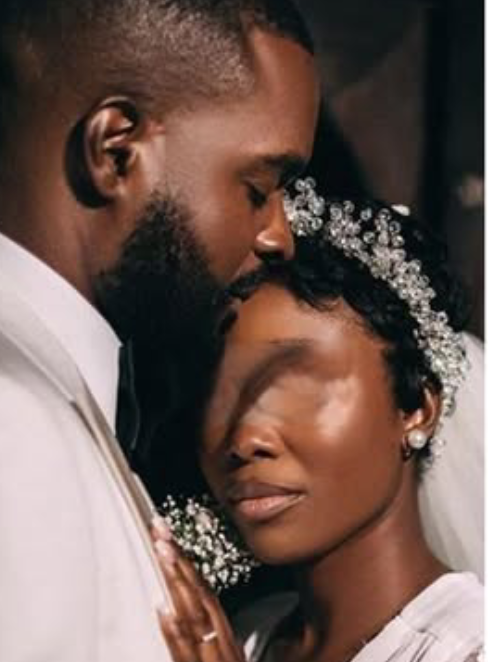
GROOM\'S BEARD WAR: HOW A SIMPLE SHAVE CANCELLED A CHURCH WEDDING AND UNLEASHED A STORM OF QUESTIONS
What was supposed to be a joyous weekend of vows, music, prayers, and celebration turned unexpectedly sour after a groom’s refusal to shave his beard forced the cancellation of a church wedding, sparking a wave of disbelief, debate, and speculation across social media. The unusual drama, shared by X user
What was supposed to be a joyous weekend of vows, music, prayers, and celebration turned unexpectedly sour after a groom’s refusal to shave his beard forced the cancellation of a church wedding, sparking a wave of disbelief, debate, and speculation across social media. The unusual drama, shared by X user Mazi Nathan (@rukky_nate), quickly spiraled into one of the most talked-about relationship sagas of the week, as Nigerians tried to make sense of how something as simple as facial hair derailed an entire wedding ceremony.
According to Nathan’s narration, his acquaintance had long prepared for his big day. Traditional marriage rites had already been completed, families had exchanged gifts, and everything seemed set for the final step: the church wedding in his fiancée’s congregation. But just 24 hours before the ceremony, an unexpected ultimatum landed like a thunderbolt — the presiding pastor refused to officiate unless the groom shaved off his beard completely.
The groom, clearly stunned, refused. His beard, to him, was more than a style choice; it was part of his identity, something he didn’t see as sinful, inappropriate, or disrespectful. But the church leadership remained firm, insisting on their long-standing doctrine requiring grooms to be clean-shaven at the altar. His stance clashed directly with the tradition of the church, and before long, the wedding plans found themselves suffocating under a clash of beliefs, personal autonomy, and religious expectations.
The fiancée, caught between loyalty to her partner and obedience to her church, pleaded with him to comply — just shave it off, get the wedding done, and avoid the scandal. But he stood his ground. To him, if the marriage was truly theirs, he shouldn’t have to modify his appearance simply to satisfy rules he didn’t believe in. He suggested an alternative: let’s go to court instead. Since traditional rites had already been done, legalizing the union seemed like a simple and respectful compromise. But she refused. Her insistence on a church wedding stunned many who followed the story, especially since the requirement hinged on something as trivial — in many people’s eyes — as a beard.
When the groom didn’t yield, the inevitable happened: the church wedding was cancelled.
Nathan later returned with an update that only deepened the mystery. The groom’s attempt to steer things toward a court wedding was rejected again by the bride-to-be, who insisted that the pastor’s requirement must be met because she still wanted the church ceremony. That insistence ignited fresh speculation online. Why would she be so attached to the church wedding that she would rather cancel the day than agree to a civil ceremony? Why was shaving the beard so important — was it her personal preference or something deeper within the church hierarchy? And why did the pastor present the ultimatum so close to the wedding date?
As the story spread, many Nigerians weighed in with sharp opinions. Some argued that love should override something as insignificant as facial hair, insisting the groom should have simply shaved and avoided embarrassment. “It’s just beards,” one commenter said. “Marriage is bigger than appearance — just cut it for peace.” Others, however, applauded the groom’s decision, calling it a stand for personal freedom. “If his fiancée can’t defend him now, what will happen when real issues rise in marriage?” another user asked. The debate highlighted a growing generational shift in how younger Nigerians view personal choices versus traditional church authority.
There was also criticism directed at the church. Many questioned why something as natural and culturally common as growing a beard would be grounds to deny a couple’s blessing. Some pointed out that Jesus himself, whose teachings form the basis of Christianity, is depicted with a beard in almost every historical and religious illustration. “So why should a modern pastor demand what Jesus didn’t?” a user joked, sparking even more reactions.
Meanwhile, others wondered whether the bride’s insistence on the church wedding was a simple matter of faith or something influenced by family or societal pressure. For many women, a church wedding is not just a ceremony — it’s a deeply symbolic moment, a public display of commitment, and sometimes even a long-held dream. Rejecting it for a court wedding might feel like settling for something less glamorous or significant. But in this case, observers suspected there was more at stake. Nathan hinted the same in his update, saying: “I am beginning to believe there’s more to this story than they’re letting on.”
Was the beard merely a symptom of deeper disagreements? Was the bride struggling under the expectations of a conservative church? Was the pastor using the requirement as a way to discourage the union altogether? Or was the groom’s refusal simply the first sign of stubbornness that might resurface in their marriage? These questions have kept the situation alive on social media, with many users demanding more details.
The saga seems to have struck a cultural nerve because it reflects a wider tension between tradition and modernity — especially in Nigerian relationships. Couples today are constantly navigating a mix of religious expectations, cultural obligations, and personal autonomy. While some are willing to bend for the sake of harmony, others draw firm lines around identity, expression, and dignity. What appears on the surface to be a trivial disagreement often reveals underlying cracks in values, priorities, and understanding.
For this groom and bride, the cancelled ceremony now stands as a major crossroads. The traditional wedding is done, but the legal and spiritual seal remains pending. Will he eventually bow to pressure and shave, or will she agree to a court wedding and let the beard be? Or will the unresolved tension expose deeper incompatibilities that threaten the union altogether?
For now, the wedding that should have been filled with laughter, family, and joy has turned into a national conversation about personal choice, religious rigidity, and the surprising power of a beard to alter destinies. And as social media continues to buzz, one thing is certain: this is far more than a case of wedding-day cold feet — it’s a reminder that sometimes the smallest issues can become the biggest turning points in a relationship.
Share this post
Related Posts
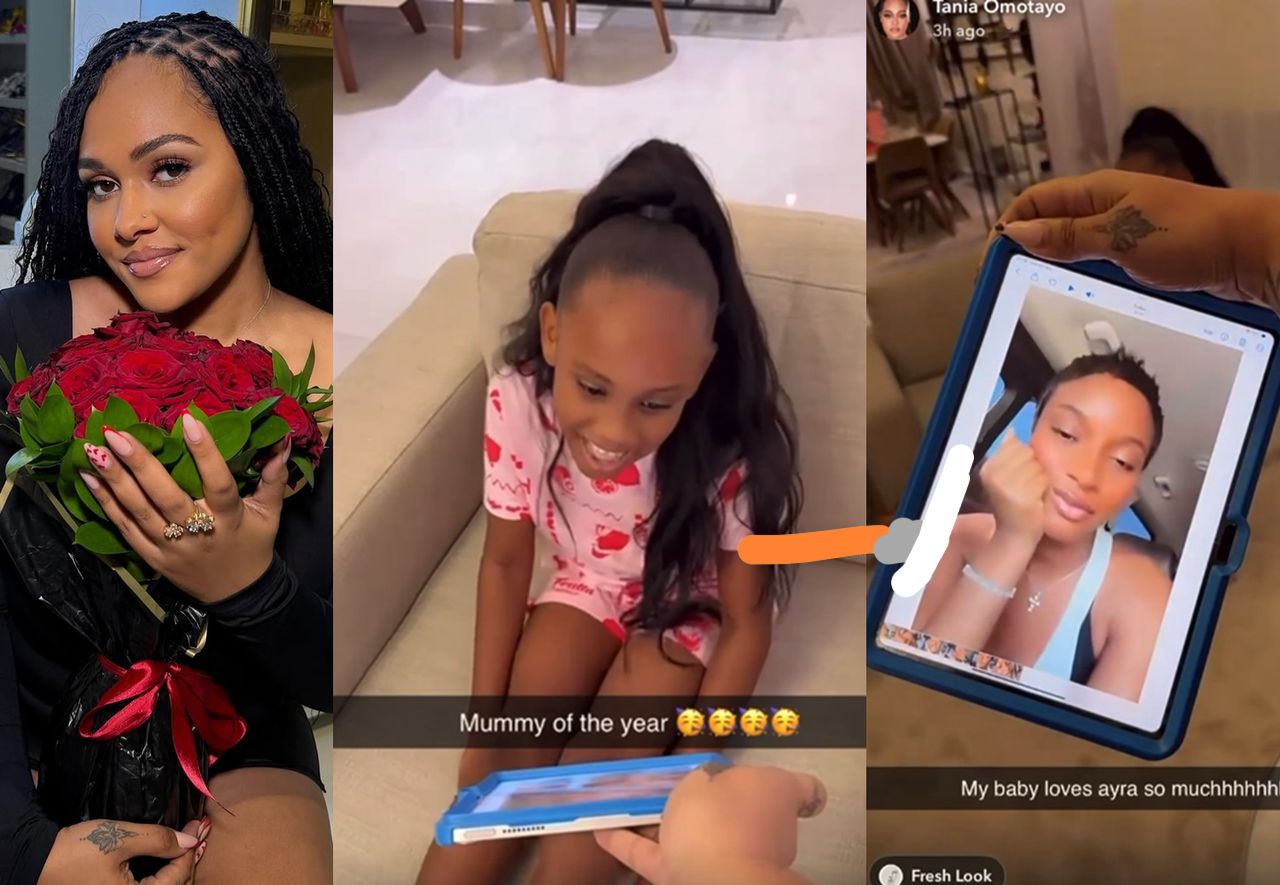
Tania Omotayo Crowned \"Mummy of the Year\" After Ayra Starr\'s Special Birthday Shoutout for Her Daughter
In a heartwarming display of celebrity fanfare and motherhood, Tania Omotayo, renowned businesswoman and entrepreneur,...

Seven Years, Still Not Enough: Oluwadolarz’s Ex-Fiancée Ife Breaks Silence on Painful Split
In a candid revelation that has stirred a wave of emotional reactions online, Ife, the...
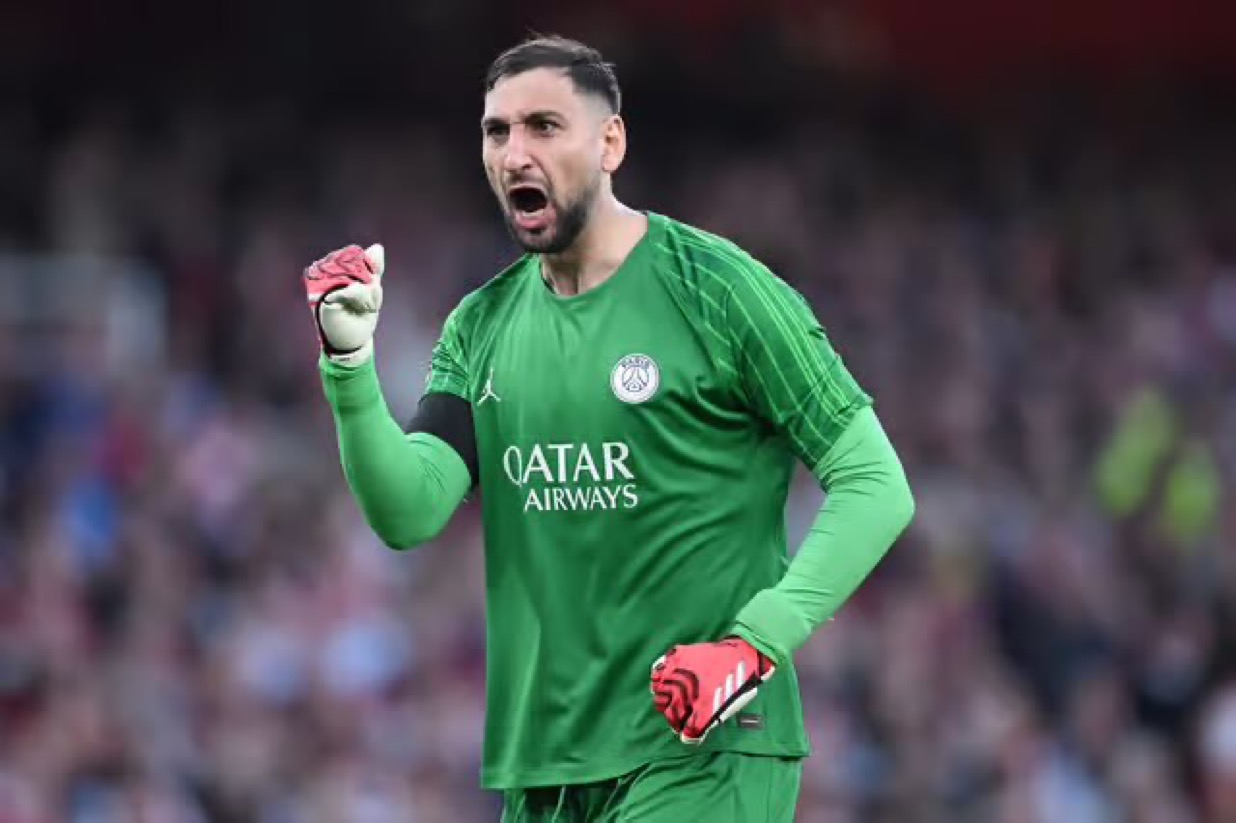
Shock as PSG Drop Donnarumma from European Super Cup Clash Against Spurs
Gianluigi Donnarumma has been dramatically left out of Paris Saint-Germain’s squad for their highly anticipated...