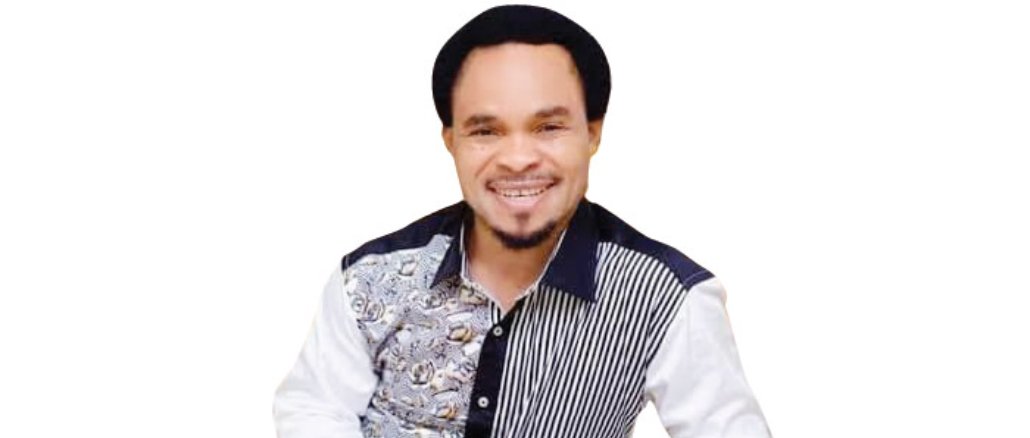
“If You Drag Me, I Kpai You!” — Odumeje Sparks Frenzy With Fiery Spiritual Warning to Online Trolls
In a digital world where social media beef, clapbacks, and viral dragging dominate daily discourse, Nigerian clergyman and viral sensation Prophet Chukwuemeka Ohanaemere, popularly known as Odumeje, has once again thrown the internet into chaos with a thunderous declaration that has left both supporters and critics buzzing. In a video
In a digital world where social media beef, clapbacks, and viral dragging dominate daily discourse, Nigerian clergyman and viral sensation Prophet Chukwuemeka Ohanaemere, popularly known as Odumeje, has once again thrown the internet into chaos with a thunderous declaration that has left both supporters and critics buzzing. In a video currently circulating online, the self-acclaimed Indaboski Bahose issued what many have described as a “spiritual threat” to online trolls, boldly warning that anyone who attempts to drag him on the internet will face swift, supernatural consequences. His exact words were as dramatic as expected: “If you drag me online, I kpai you. Nobody drags me. I’m not going to drag with you. I’ll just carry your profile and go to bed, then start dealing with you.”
The proclamation, delivered with Odumeje’s characteristic flamboyance, immediately set social media ablaze. Nigerians flooded comment sections with reactions ranging from amusement to disbelief, and others—true to Naija online culture—promptly turned his statement into memes. But behind the humor lies a deeper conversation about the growing tension between public figures and the increasingly fearless digital community that thrives on calling out celebrities, politicians, pastors, and influencers.
Odumeje has long been known for his dramatic, theatrical approach to spirituality. With a persona built on showmanship, humor, and exaggerated expressions, he has become both a beloved figure and a subject of mockery. Whether he’s declaring himself the “liquid metal,” performing unconventional deliverance sessions, or singing viral songs about “Indaboski,” Odumeje has mastered the art of staying in the public eye. However, this time, the flamboyant preacher seemed determined to draw a firm line between banter and disrespect.
This statement did not come out of the blue. Over the last year, Odumeje has faced heavy criticism from skeptics who accuse him of turning religion into performance. Some social media users claim his antics amount to mockery of spirituality, while others insist he is simply a content creator disguised as a prophet. Each time he trends, commentary swings between praise, ridicule, and concern. This unending spotlight may have finally prompted his latest outburst, as he warns that the era of “laughing it off” is over.
The internet, as expected, did not take long to challenge him. Comments like “Oya Indaboski, come and kpai me na” and “I’m dragging you. Do your worst” flooded timelines. Nigerians, famous for their fearlessness and sharp humor, responded as if they had been given a new toy. Yet beneath the jokes, many observers raised important questions: Should a religious leader threaten people with spiritual harm? Is this a harmless comedic performance or something more concerning? And why are online callouts triggering such emotional reactions among public figures?
For some, Odumeje’s statement is simply on-brand—a continuation of the over-the-top identity he has built. His church services often go viral for their wrestle-like deliverance moves, dramatic shouts, and comedic phrases that seem tailor-made for social media. His followers argue that everything he does is rooted in humor, performance, and a unique style of worship that people misunderstand. To them, this latest outburst was just another episode in the “Indaboski Cinematic Universe.”
But critics aren\'t buying it. Many believe his remarks reflect an unhealthy dynamic where certain religious leaders feel untouchable and above public scrutiny. They argue that when public figures—especially influential spiritual leaders—discourage criticism through fear or spiritual intimidation, it creates a dangerous environment where accountability becomes nearly impossible. In their view, Odumeje’s statement goes beyond entertainment and crosses into an attempt to silence dissent by invoking fear of supernatural punishment.
Still, for many Nigerians, this drama is symbolic of a broader trend in the country’s digital culture. With social media becoming a battleground for opinions, Nigerians are increasingly outspoken, bold, and unfiltered—especially when addressing influential people. The era when religious leaders were untouchable and unquestionable is gradually fading. Today, no one is exempt from public scrutiny, especially in a country where citizens feel that many people in positions of influence often abuse power or evade accountability.
Odumeje’s threat, then, may reflect not only his personal frustration but also the social pressure placed on public figures in Nigeria’s hyperactive online space. The internet has no respect for age, title, or position. Pastors, politicians, celebrities, billionaires—everyone gets dragged equally. And while some handle it with humor or silence, others respond defensively, sometimes escalating the situation even further.
Interestingly, Odumeje’s warning also touches on a long-standing cultural belief about the power of spiritual authority. Nigeria is a deeply religious society, and many people—whether Christian, Muslim, or traditionalist—believe strongly in the influence of spiritual leaders. As a result, even joking statements from such figures carry weight. Some viewers admitted they would “think twice” before dragging him, not because they believe he would actually “kpai” them, but because of cultural caution around spiritual matters.
But others dismiss the whole thing as comic relief. To them, Odumeje is simply an entertainer in a pastor’s robe, and his dramatic proclamations are part of the humor that makes him a beloved internet personality. They argue that Nigerians should learn to separate theatrics from genuine threats, especially in a culture where satire and exaggeration are common forms of expression.
Regardless of interpretation, one thing is clear: Odumeje has once again succeeded in dominating the national conversation. His fiery declaration has sparked debates about spirituality, free speech, public criticism, and the complicated relationship between religious figures and the digital masses. Whether this was a genuine warning or another comedic performance, it has become the latest talking point in Nigeria’s ever-vibrant social media arena.
And if history is anything to go by, this will not be the last time Odumeje trends for something outrageous. But for now, one question lingers: Will Nigerians, known for their stubbornness and comedic defiance, actually stop dragging him?
Judging from the ongoing flood of memes, jokes, and playful challenges directed at him, the answer seems to be a loud and collective “No be today.”
Share this post
Related Posts

Super Eagles Soar Past Tanzania in Thrilling AFCON 2025 Opener as Nigeria Begin Campaign with Grit and Promise
Nigeria began their Africa Cup of Nations 2025 journey with a tense but deserved 2–1...

NYSC Remains Nigeria’s Priceless Legacy That Fosters National Development — Adeleke
Governor Ademola Adeleke of Osun State has described the National Youth Service Corps (NYSC) as...
TIWA SAVAGE, NOT NICKI MINAJ: REUBEN ABATI SPARKS NATIONAL STORM AFTER BLASTING RAPPER’S UN SPEECH ON NIGERIA
The Nigerian social space erupted into a full-blown conversation after veteran journalist Reuben Abati boldly...