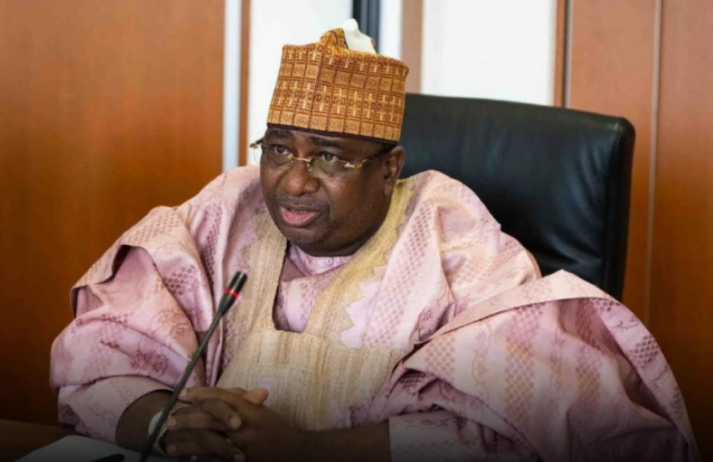
In a decisive and high-stakes move that has sparked widespread conversation across the state, the Kebbi State Government has approved a massive N10 billion loan to secure an additional 1,300 Hajj slots for its residents ahead of the 2026 pilgrimage. The announcement, which came on Saturday from the Chairman of the State Pilgrims Welfare Agency, Alhaji Faruku Aliyu-Yaro, has quickly become one of the most talked-about developments in the state’s religious and political circles, not only for its financial scale but also for its timing and immediate impact on thousands of intending pilgrims.
Speaking during a press briefing in Birnin Kebbi, Aliyu-Yaro revealed that the state was racing against a tight deadline set by the National Hajj Commission of Nigeria (NAHCON), which required states to finalize their slot allocations by December 5. With many residents anxiously awaiting confirmation of their positions, there had been mounting fears that hundreds of registered pilgrims could lose their chance due to limited availability and overwhelming demand. This looming uncertainty, he said, prompted swift intervention from Governor Nasir Idris, whom he praised for demonstrating what he described as “a timely and people-focused decision” at a critical moment.
For many families in Kebbi, the annual Hajj is not only a religious obligation but a lifelong aspiration, often planned and saved for over several years. The fear of being unable to embark on such a deeply spiritual journey—especially after meeting financial and administrative requirements—had created increasing tension among registered pilgrims. According to Aliyu-Yaro, hundreds of applicants had been frequenting the Pilgrims Welfare Agency office daily, seeking updates and expressing distress over the possibility of being sidelined if the state could not secure the additional quota needed to accommodate the overflow.
The approval of N10 billion, though enormous, appears to be a strategic gamble by the state government to ensure that no intending pilgrim who has already completed registration requirements is left behind. But the decision has also raised eyebrows among economic analysts and political commentators, many of whom are questioning the sustainability and prioritization of the loan, especially at a time when states across the country are grappling with rising inflation, salary pressures, and increasing demands for infrastructural development.
Supporters of the move, however, argue that Hajj—being one of the five pillars of Islam—holds exceptional cultural and religious significance, especially in northern Nigeria. To them, the government’s role includes safeguarding the spiritual welfare of its citizens, a responsibility they believe Governor Idris has upheld by preventing the loss of 1,300 opportunities that may not return once allocations close. For these supporters, the urgency of the deadline and the emotional weight carried by aspiring pilgrims justify the financial investment, which they view as a moral commitment rather than merely an economic decision.
Critics, on the other hand, point to the sheer size of the loan. N10 billion, they argue, could address several pressing needs in the state, including education, health care, road rehabilitation, and agricultural support—areas in which Kebbi, like most states, continues to face serious challenges. Some opposition voices have described the move as “extravagant” and “misplaced priority,” insisting that while religion is important, the government must strike a balance between spiritual obligations and socio-economic realities. They also question whether the funds will be recovered and what financial strain the loan might place on the state budget in the years ahead.
Meanwhile, the mood among intending pilgrims tells a different story. For many, relief is the overwhelming emotion. Reports from Birnin Kebbi indicate that several applicants openly celebrated the news, some seen offering prayers of gratitude immediately after hearing that the state had secured the additional allotment needed. For these individuals, the N10 billion loan is not a political or financial debate—it is the difference between fulfilling a divine calling and waiting indefinitely for another chance.
Aliyu-Yaro, during his briefing, emphasized that the agency remains committed to ensuring transparency, accountability, and effective coordination as preparations for the 2026 Hajj gain momentum. He assured the public that the funds would be used strictly for securing the slots and handling other related obligations with NAHCON. He also commended Governor Idris for acting swiftly and decisively, noting that such leadership sends a clear message about the administration’s commitment to serving the people’s interests, especially in matters that touch on their faith.
The decision is expected to have ripple effects on Hajj preparations across the country, with other states likely watching closely to see how Kebbi manages the process and how its residents respond. With NAHCON’s deadline marking the beginning of an intense procedural phase, states are under pressure to finalize plans, support pilgrims through documentation, and make financial commitments that align with new quota regulations.
Beyond the immediate relief provided to the 1,300 beneficiaries, Kebbi’s action raises broader questions about the evolving role of state governments in financing religious obligations. As economic challenges deepen and competition for Hajj slots intensifies, the issue of government-assisted pilgrimage may continue to spark debate, especially around prioritization, fiscal responsibility, and long-term impact on state budgets.
For now, however, the spotlight remains firmly on Kebbi State and its bold decision. Whether seen as a compassionate intervention or a controversial financial undertaking, the approval of the N10 billion loan underscores the weight government decisions carry in shaping both spiritual and socio-economic narratives.
As preparations for the 2026 pilgrimage continue, thousands of hopeful residents now look toward Mecca with renewed anticipation. For them, Kebbi’s action represents more than a financial commitment—it is a doorway to fulfilling a lifelong spiritual journey, one that might have closed permanently if not for the state’s eleventh-hour intervention.
Popular Posts
Kebbi’s Bold N10bn Move: Inside the Rush to Secure 1,300 Extra Hajj Slots Before the Deadline
08 Dec, 2025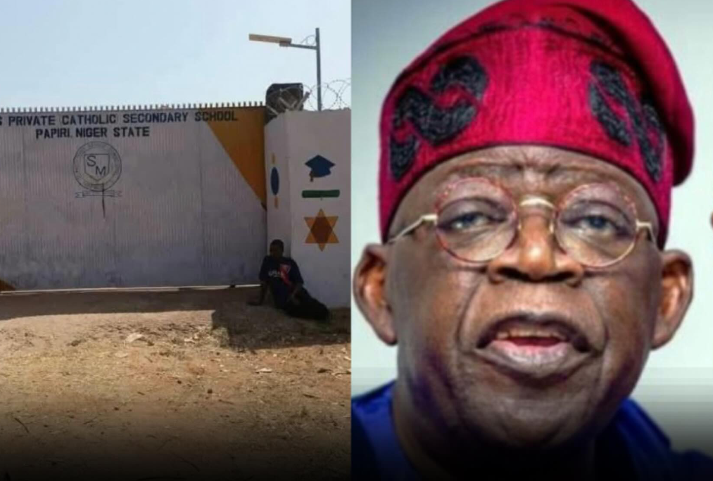
Hope Restored as Federal Government Secures Release of 100 Abducted Schoolchildren in Niger State
08 Dec, 2025
Mr jollof praises Tinubu as Nigeria’s Military Role in Benin Sparks Debate Over Homefront Security
08 Dec, 2025Scroll to Top