Entertainment
Love Isn’t About Age Anymore: Cheyenne Bryant Says Younger Men Are Now Winning in Commitment, Maturity, and Marriage
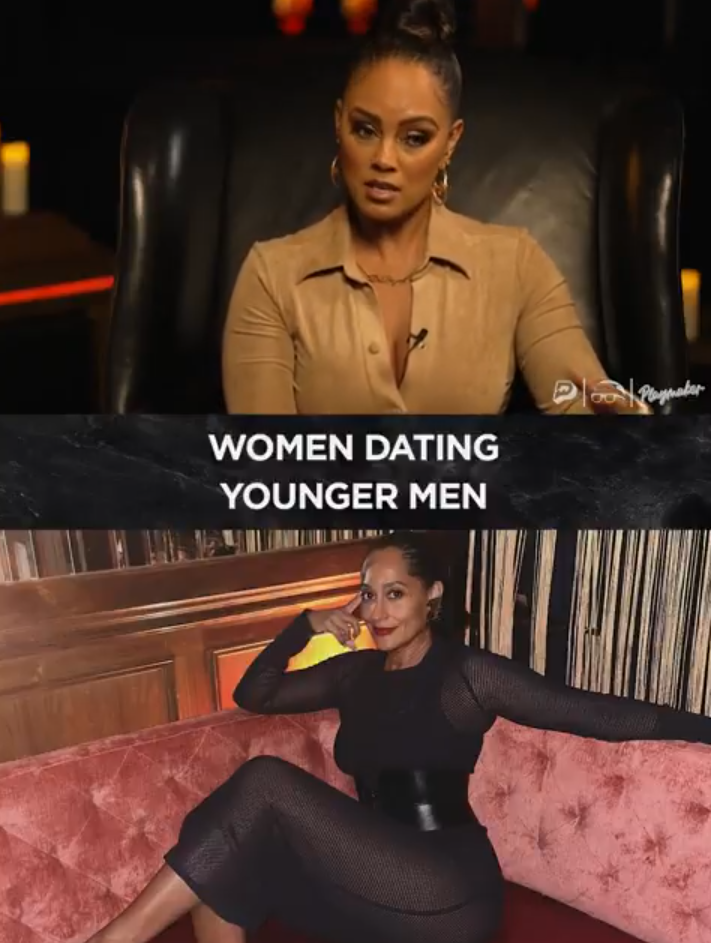
In a cultural moment where conversations about relationships are shifting rapidly, life coach and psychologist Dr. Cheyenne Bryant has sparked a fresh wave of debate with her bold take on women dating younger men. According to Bryant, younger men—particularly those in their late 20s to mid-30s—are not only proving themselves more emotionally mature than older men in their mid-40s and above, but are also contributing to healthier, happier marriages when paired with older women. Her statement has ignited discussions across social media, relationship forums, and everyday conversations, prompting many to re-evaluate long-standing norms about love, compatibility, and age differences.
Bryant’s comment comes at a time when modern relationships are already challenging traditional expectations. For decades, society painted older men as the ideal partners—more stable, more experienced, more emotionally grounded. But in her view, the landscape has shifted dramatically. She argues that younger men are evolving emotionally faster than previous generations and are showing a level of openness, vulnerability, and partnership-focused behavior that many older men struggle to match. And this, she says, is transforming dating dynamics for many women who once felt pressured to date within their age range or older.
Her claim that “younger men in their late 20s to mid-30s are often more mature than men 45 and up” has stirred both agreement and criticism. Supporters say her statement reflects what they’ve been observing for years: a new generation of men breaking stereotypes and embracing emotional intelligence. Critics, however, argue that maturity is individual, not generational, and that her take unfairly generalizes older men. But what stands out most is Bryant’s emphasis on studies that support her argument—research showing that women who date younger men often report higher marital satisfaction, stronger communication patterns, and more balanced emotional dynamics.
Part of the reason for this shift, experts suggest, lies in changing cultural expectations. Younger men today have grown up in an era where mental health, emotional intelligence, and equality in relationships are openly discussed and encouraged. Many are more comfortable with concepts like vulnerability and mutual support, traits that women frequently value in stable partnerships. Older generations of men, by contrast, often grew up under stricter expectations of masculinity—be stoic, be strong, provide financially but show little emotion. While this does not apply to every man, the influence of generational norms is undeniable.
Women who date younger men often say they feel more seen, heard, and emotionally supported. The relationships tend to be more collaborative, less hierarchical, and more rooted in mutual respect. Bryant suggests that this contributes significantly to healthier long-term outcomes, especially for women who are emotionally self-aware and intentional about the kind of love they want.
Another factor at play is the changing role of women in society. Modern women—especially women in their 30s, 40s, and 50s—are increasingly financially independent, professionally successful, and emotionally grounded. Many are no longer seeking traditional marriages where the man is the primary provider. Instead, they are looking for companionship, partnership, and emotional compatibility. Younger men, Bryant says, are often more open to this newer model of relationship, where roles are not rigid and both sides contribute equally in different ways.
This dynamic has been reflected in countless real-life stories. Women who once avoided younger men out of fear of judgment now share their experiences openly: the partners who listen more, communicate better, adapt faster, and show genuine willingness to grow together. In contrast, some women point out that older men often come with a sense of rigidity—set in their ways, less open to change, and less willing to confront emotional issues. Again, this isn’t universal, but it’s a pattern many say they’ve recognized.
Bryant’s perspective also speaks to the growing rejection of societal double standards. For decades, older men dating younger women has been normalized—even celebrated—while older women dating younger men was stigmatized, often reduced to labels like “cougar” or framed as temporary flings. But as gender norms shift and women gain more autonomy in their romantic choices, the stigma is fading fast. What used to raise eyebrows now sparks curiosity or admiration. Younger men openly expressing attraction to older, confident, emotionally mature women are increasingly visible in mainstream culture.
Social media reactions to Bryant’s statement reveal just how divided the public is. Many women praised her for articulating what they’ve silently experienced, while others questioned whether the trend is widespread enough to draw such bold conclusions. Some men in their 20s and 30s applauded the recognition, saying they often feel unfairly dismissed because of their age. Meanwhile, some older men pushed back, calling it an oversimplification that ignores their own emotional growth and relationship readiness.
Still, the broader conversation remains compelling because it touches on something bigger than just dating preferences. It highlights the evolution of modern love—how expectations change, how people evolve, and how emotional compatibility increasingly matters more than numbers on a birth certificate. Bryant’s comments suggest that what makes a relationship work today is less about age gaps and more about emotional alignment, communication, and shared values.
Perhaps the most striking takeaway from her perspective is the growing idea that women no longer feel obligated to follow traditional dating timelines or rules. Instead of prioritizing age, they are prioritizing experience, stability, emotional availability, and genuine connection. And in many cases, they are finding those qualities in younger men who are stepping up in ways previous generations did not.
Whether people agree with Bryant or not, her statement has undeniably opened a space for women to rethink their options—without shame, without judgment, and without the outdated societal script. It challenges assumptions about what men of different ages can offer emotionally and invites a more nuanced look at what truly builds a lasting, fulfilling relationship.
In a world where love continues to evolve, Cheyenne Bryant’s take may be a timely reminder: maturity isn’t always measured by age, but by self-awareness, openness, and the willingness to grow with someone. And for many women today, that is exactly what they are finding in men who are younger, emotionally present, and ready to build something real.
“Younger men in their late 20s to mid-30s are often more mature than men 45 and up, and studies even show women dating younger men have higher chances of a happy, healthy marriage” — Life coach Cheyenne Bryant shares her take on women dating younger menpic.twitter.com/8sPJFoZzcM
— Instablog9ja (@instablog9ja) December 6, 2025
Twitter Post
Visit websitePopular Posts

Nigeria Pulls Back Fighter Jet After Benin’s Failed Coup as Calm Returns to the Region
07 Dec, 2025
Nigerian fighter jets deployed to Benin Republic as military takeover triggers regional alarm
07 Dec, 2025
Arne Slot Fired in Stunning Shake-Up: Liverpool Rocked by Sudden Managerial Dismissal
07 Dec, 2025Scroll to Top