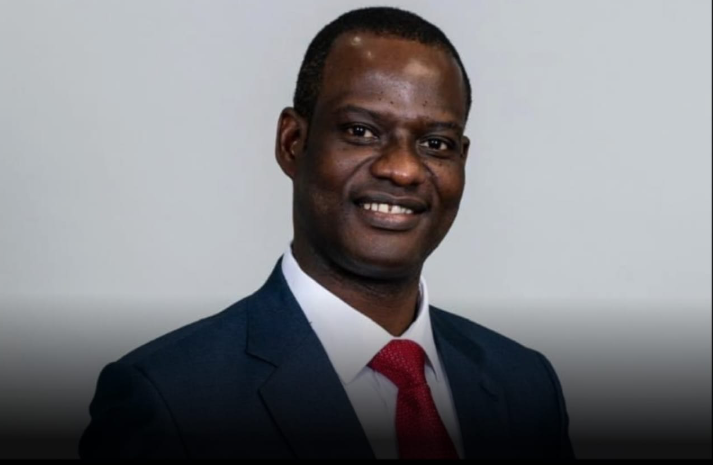
As debates over Nigeria’s new tax reforms continue to stir online and offline, Taiwo Oyedele, chairman of the presidential committee on fiscal policy and tax reforms, has sought to calm fears, insisting that the changes will not lead to automatic deductions from Nigerians’ bank accounts. Speaking during Channels Television’s end-of-year special on Tuesday, Oyedele addressed widespread concerns, emphasizing that no individual’s account, whether modest or substantial, would be debited without consent. His comments come amid growing anxiety and social media speculation about how the reforms might affect everyday Nigerians.
According to Oyedele, the panic surrounding the reforms has largely been fueled by misinformation and a misunderstanding of the law. “Nobody will debit your account. Any amount of money you transfer, whether it is 1 billion, whether it is 1,000, it doesn’t matter how you describe it. Nobody will debit your bank account,” he stated firmly. The chairman was quick to point out that no tax authority in Nigeria currently possesses the technical capacity to monitor or track every bank user’s transactions. Enforcement, he clarified, is usually targeted at high-income earners and those in formal sectors where income can be more easily assessed.
Oyedele highlighted data from the Nigeria Deposit Insurance Corporation (NDIC), which shows that 98 percent of bank holders in the country do not maintain balances of even 500,000 naira. This, he said, illustrates that the majority of Nigerians are not the target of tax enforcement efforts. “Those are the people fighting,” he noted, referring to everyday bank users who fear they may be subject to arbitrary debits. By framing the numbers this way, Oyedele sought to reassure the public that ordinary citizens with average incomes would not bear the brunt of the reforms.
One of the key issues Oyedele addressed was the role of misinformation in shaping public sentiment against the reforms. He acknowledged that his team had underestimated how easily the average Nigerian could be influenced, particularly by narratives designed to incite fear. “I think something we underestimated in this reform. We said the current system is regressive, taxing the vulnerable more. Let us make it progressive. We underestimated how these guys can manipulate the average person to fight the fights on their behalf. Even against their own interests, that was what played out and it is totally unbelievable,” he said. His remarks point to the ongoing challenge policymakers face in communicating reforms clearly in an environment where social media can amplify misunderstandings quickly.
Oyedele did not shy away from criticizing certain high-earning individuals, particularly content creators, who he claims have contributed to spreading false narratives about the reforms. “There are content creators who admitted they make up to $10,000 a month. They don’t want to pay tax. They say they are going to debit your bank account so you can help them fight the reform,” he alleged. According to him, these individuals are leveraging public fears for personal benefit, even when the claims they make are inaccurate. The chairman’s remarks underscore the tension between the government’s intention to collect taxes fairly and some citizens’ resistance, especially among those who fear losing income or being unfairly targeted.
Central to the reforms is a system based on self-declaration. Oyedele explained that taxpayers are expected to declare their income on an annual basis, while exempt individuals only need to submit a declaration confirming their status. This model, he emphasized, is intended to simplify compliance and make taxation more transparent and equitable. By moving away from automatic debits or arbitrary deductions, the government aims to reduce the sense of coercion that has fueled public opposition. In theory, this approach aligns with the broader goal of making the tax system progressive rather than regressive.
President Bola Tinubu has also weighed in, confirming that the implementation of the new tax laws will proceed as scheduled. The president reinforced that the reforms are not intended to increase tax rates but rather to create a fairer, more efficient system for collecting revenue. Tinubu’s confirmation signals that despite online debates and vocal opposition, the government is committed to moving forward with the changes, suggesting that the reforms have already passed the stage of policy formulation and are now in the implementation phase.
The discussion around the reforms has exposed deeper societal questions about taxation, fairness, and the role of technology in governance. Many Nigerians, wary of bank monitoring and automatic debits, have taken to social media to express fears about losing control of their finances. However, Oyedele’s repeated assurance that no bank account will be debited without consent aims to counter these narratives, emphasizing that the system will not penalize ordinary users for carrying out everyday transactions.
At the same time, the chairman’s remarks highlight a crucial aspect of modern fiscal policy: the need to balance transparency, compliance, and public trust. The emphasis on self-declaration is not only about simplifying the collection of taxes but also about creating a sense of responsibility among citizens while avoiding measures that could be perceived as invasive. This approach, if successfully implemented, could strengthen the credibility of the tax system and reduce the temptation for misinformation campaigns to thrive.
Public reactions to Oyedele’s statements are likely to vary. While some may feel reassured that their personal finances are safe from arbitrary government interference, others remain skeptical due to years of uncertainty about how tax authorities operate. Analysts have noted that successful communication and public education will be critical in ensuring that Nigerians understand the mechanisms of the new system and trust that it will be applied fairly. The government faces the dual challenge of enforcing compliance among high-income earners while maintaining confidence among ordinary citizens who may be cautious about changes to financial regulations.
In conclusion, Taiwo Oyedele’s assurances mark a significant attempt to address the widespread concerns surrounding Nigeria’s new tax reforms. By emphasizing that no bank accounts will be debited automatically and clarifying that the reforms are targeted primarily at high-income earners, he seeks to dispel fears and counter misinformation. The self-declaration model, coupled with President Tinubu’s endorsement, underscores the government’s commitment to creating a fair and progressive tax system. As the reforms move into the implementation phase, public trust and clear communication will remain crucial in ensuring that the policy achieves its intended objectives without provoking undue fear or resistance. Nigerians, for now, can take comfort in Oyedele’s promise that their everyday bank transactions are safe and that the reforms are designed to be fair, transparent, and manageable for all.
Popular Posts

“Why Are We So Proud to Break the Law?” Taaooma Slams One-Way Madness on Nigeria’s New Coastal Road
31 Dec, 2025
A Sacrifice That Ended in Silence: Lady’s Viral Story of a Father Who Gave Up School for His Siblings Sparks Emotional Debate Online
31 Dec, 2025
“We Will Resist It By All Means”: Peter Obi’s Defection to ADC Sparks Early Battle Lines for 2027 Elections
31 Dec, 2025Scroll to Top