news
Night of Tragedy on Lagos Waters: Six Dead, Four Injured After Passenger Boat Capsizes Near Igbologun
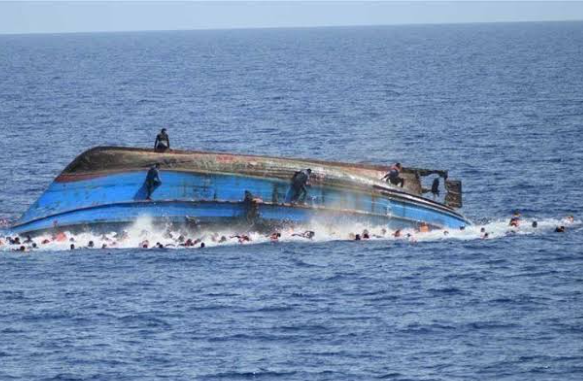
A routine nighttime journey across the Lagos waterways ended in tragedy on Tuesday night after a passenger boat capsized near the Igbologun axis, claiming the lives of six people and leaving four others injured. The Lagos State Waterways Authority has confirmed the incident, which has once again brought renewed attention to safety concerns on the state’s busy inland waterways.
According to an official statement released on Wednesday by LASWA’s Head of Public Affairs, Wuraola Alake, the accident occurred at about 8:35 p.m. on Tuesday, December 30, 2025. The boat, operated by Savvy Marine, was conveying passengers from Ilashe Beach House when it ran into trouble along the Nigerdock axis of the Igbologun water channel. Authorities say the vessel collided with a submerged object, causing it to lose balance and capsize in the dark waters.
Emergency response teams were immediately alerted following distress calls from the scene. LASWA officials, in collaboration with marine police and local rescue volunteers, moved swiftly to the location in an effort to save lives. Four passengers were rescued alive and rushed to a nearby hospital, where they are currently receiving medical attention. Despite the rescue efforts, six passengers were recovered dead at the scene, marking one of the most fatal boat accidents recorded on Lagos waterways in recent months.
Eyewitnesses described the moments after the accident as chaotic and heartbreaking. Passengers aboard nearby boats reportedly heard shouts for help and rushed toward the area before emergency responders arrived. Some survivors were said to be in shock, struggling to comprehend how a journey that began calmly suddenly turned into a disaster within minutes. The darkness of the night and the unexpected collision made rescue efforts more difficult, even as first responders worked under pressure to retrieve victims from the water.
In its statement, LASWA expressed deep condolences to the families and loved ones of those who lost their lives. The authority also reassured the public that investigations had commenced to determine the exact cause of the incident and to establish whether all safety protocols were followed by the boat operator. Officials noted that while preliminary findings point to a collision with a submerged object, a full technical and safety review would be conducted before conclusions are drawn.
The tragic incident has reignited conversations around water transport safety in Lagos, a city where waterways serve as a critical alternative to congested roads. Thousands of commuters rely daily on boats and ferries to move between island communities, riverine areas, and business districts. While water transportation offers speed and convenience, accidents such as this highlight the risks passengers face, especially during nighttime operations.
Over the years, LASWA has introduced several measures aimed at improving safety on the waterways, including mandatory life jacket use, operator licensing, route monitoring, and enforcement of speed limits. The authority has also invested in patrol boats and emergency response units to ensure quicker intervention during accidents. However, incidents involving submerged debris, poorly lit channels, and non-compliance by some operators continue to pose challenges.
Maritime safety experts have long warned about the dangers of submerged objects along busy water routes, particularly near industrial zones like the Nigerdock axis. Floating logs, abandoned wreckage, and other debris can become invisible hazards at night or during periods of low visibility. Calls have intensified for more frequent channel inspections, improved navigation aids, and better lighting to help boat operators identify potential dangers before collisions occur.
Residents of riverine communities around Igbologun expressed sorrow over the loss of lives and urged authorities to take stronger preventive action. Some community members noted that while enforcement has improved in recent years, lapses still occur, especially after dark. They stressed the need for stricter monitoring of nighttime operations and clearer communication between regulators and boat operators.
The accident also places a spotlight on the responsibility of private marine operators who run passenger services across Lagos waters. Ensuring vessels are seaworthy, properly maintained, and operated by trained personnel remains critical. Passengers, too, are being reminded to prioritize their safety by insisting on life jackets and avoiding overcrowded or poorly regulated boats, regardless of time constraints.
As investigations continue, LASWA has promised to provide updates to the public and to take appropriate action based on the findings. The authority reiterated its commitment to making Lagos waterways safer and preventing a recurrence of such tragedies. In the meantime, families of the victims are left to mourn loved ones lost in an incident that has cast a shadow over the festive season and underscored the fragile balance between convenience and safety on the water.
The Igbologun boat accident stands as a sobering reminder that despite progress in water transport infrastructure, more work remains to be done. For many Lagos residents, the hope is that lessons learned from this painful event will translate into stronger safeguards, better enforcement, and ultimately, the preservation of lives on the waterways that continue to shape daily life in Africa’s largest city.
Popular Posts

New Year Shock: Actress Mariam Ogbonna Recounts Terrifying Robbery During Cross-Over Service
01 Jan, 2026
Anthony Joshua Discharged From Lagos Hospital After Tragic Crash as Sanwo-Olu Thanks Nigerians for Outpouring of Support
01 Jan, 2026
“Reverse Japa Is Coming” — Pastor E.A. Adeboye Releases 2026 Prophecy for Nigeria, Sparks Mixed Reactions
01 Jan, 2026Scroll to Top