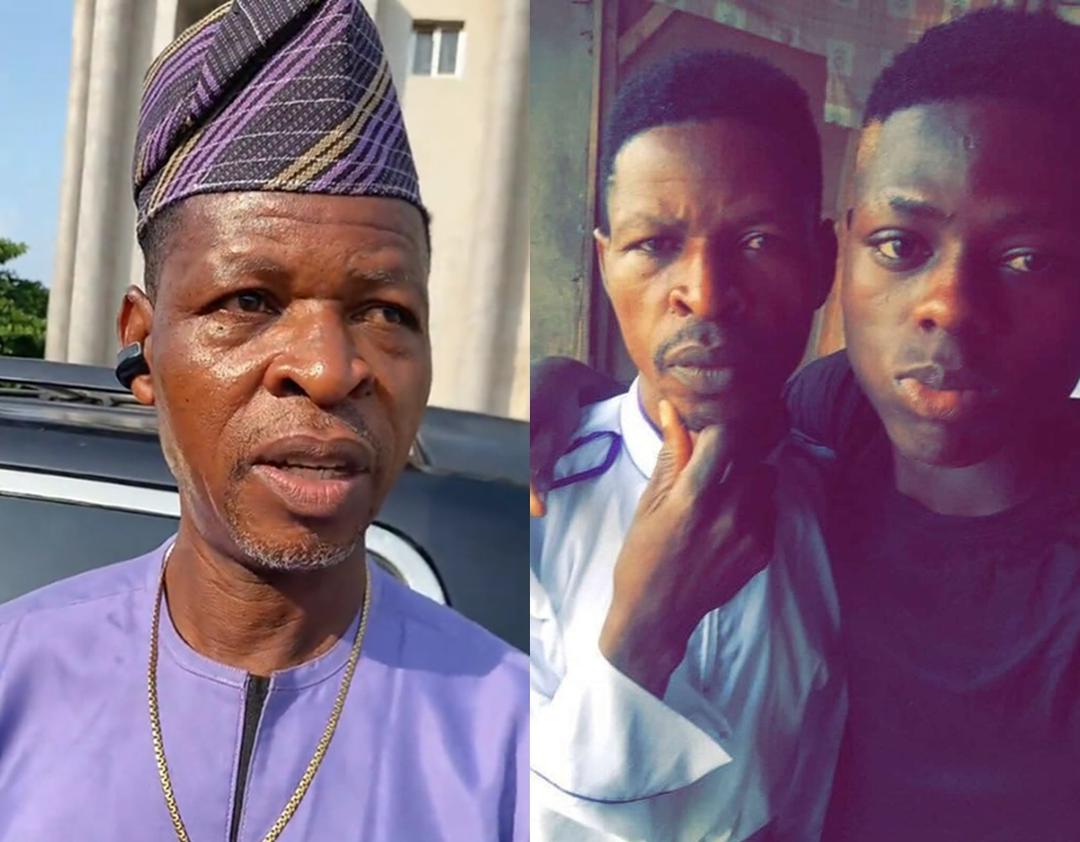
“No Peace Until the Truth Speaks” — Mohbad’s Father Insists DNA Test Must Come Before Burial as Nation Awaits Closure
In a story that continues to grip Nigeria with emotion, controversy, and unanswered questions, the father of the late singer Mohbad, Mr. Joseph Aloba, has once again declared that there will be no burial for his son until a DNA test is conducted. His statement, which has reignited public debate,
In a story that continues to grip Nigeria with emotion, controversy, and unanswered questions, the father of the late singer Mohbad, Mr. Joseph Aloba, has once again declared that there will be no burial for his son until a DNA test is conducted. His statement, which has reignited public debate, comes months after the passing of the 27-year-old artist whose death continues to raise concerns, evoke public outrage, and stir deep divisions among fans, family members, and observers across the country.
Speaking with a firm tone that reflects both his pain and resolve, Mr. Aloba insisted that the DNA test remains “the most important thing” before any final rites can be carried out. According to him, the truth about the paternity of Mohbad’s son, Liam, is central to achieving justice and clarity in a case that has spiraled into one of Nigeria’s most contentious celebrity-related controversies in recent years. For many Nigerians, the issue has stretched far beyond family drama; it has become a national conversation about trust, justice, culture, grief, and the right of a father to seek answers.
Mr. Aloba’s insistence has again split public opinion. Some sympathize with a grieving father who believes that knowing the full truth about his son’s legacy—including the lineage of his grandson—is vital. Others argue that the prolonged back-and-forth, months after Mohbad’s exhumation, points to deeper mistrust within the family and reflects a lack of closure that continues to deny the late singer dignity in death. Yet, for Mr. Aloba, the position remains unwavering: without the DNA test, the burial cannot proceed.
The demand for a DNA test has been one of the most controversial aspects of Mohbad’s entire posthumous saga. Some supporters of Mr. Aloba believe that the late singer’s troubled relationship with his wife, Wunmi, and the emotional distance that reportedly existed toward the latter stages of his life, justify the call. They point to claims, social media rumors, and speculations that suggest the need for clarity, not only for the family’s peace but for the integrity of the ongoing investigation into Mohbad’s death.
On the other side, critics of Mr. Aloba argue that the unending insistence is prolonging public spectacle and emotional trauma. For them, the young artist deserves to finally rest, and whatever issues the family may have should not overshadow his legacy or cause continuous distress for his widow and child. However, in a nation where family lineage, inheritance, and traditional rites hold enormous significance, the call for a DNA test has taken on a life of its own—fueling debates across social media platforms, local communities, and even religious gatherings.
As the controversy lingers, one thing remains clear: the death of Mohbad is still an open wound in the hearts of many Nigerians. His fans, who stood by him during his struggles with alleged harassment in the music industry, have remained vocal. They demand answers, accountability, and justice for the artist who was described as a gentle soul with a troubled journey through fame. Every new statement from any side of the family seems to reopen the collective grief and frustration.
Mr. Aloba’s latest declaration has only deepened the intensity of the national discourse. During his remarks, he emphasized that clarity is not only a matter of paternity but also a matter of legacy and justice. According to him, without completing every necessary procedure, including the DNA test, burying Mohbad now would feel rushed and incomplete. “The DNA is the most important thing,” he stressed. “Once it is done, Mohbad will be buried.” The certainty in his voice underscores the weight of his conviction—a conviction shaped by grief, suspicion, and a father’s desire for truth.
Yet, the situation remains deeply complicated. Many observers note that the exhumation of Mohbad’s body was originally carried out for the purpose of conducting an autopsy to determine the cause of death. Months later, the public is still waiting for a definitive report. The lack of transparency and the prolonged delay have only contributed to the atmosphere of confusion and mistrust. For many, the autopsy results—not the DNA test—should be the priority in bringing closure to the case. But for Mr. Aloba, both are necessary, and the DNA test is the doorway that will allow every other step to fall into place.
As the drama unfolds, Nigerians continue to ask pressing questions: Why has it taken this long to conduct key investigations? Who is responsible for the delays? Why is the family so divided? And most importantly, when will Mohbad finally be laid to rest? Each question speaks to a deeper frustration with systemic inefficiencies, unclear communication from authorities, and the complication of family dynamics under the harsh light of public scrutiny.
Meanwhile, Mohbad’s music continues to echo across the nation, serving as a reminder of his talent, pain, and the tragic abruptness of his passing. Songs that once felt like youthful anthems now carry the weight of mourning. His fanbase, known for its fierce loyalty, has not relented in keeping his name alive. Memorials, murals, candlelight processions, and online tributes continue to appear in cities across Nigeria and in Nigerian communities abroad. For many young people, Mohbad represents not just a gifted artist gone too soon, but a symbol of the struggles faced by creatives in the entertainment industry.
With each new chapter in the unfolding drama, the hope for closure seems to drift further away. Families mourn differently, but in this case, the grief has played out in the most public way possible. Mr. Aloba’s stance has become a focal point—one that continues to shape the direction of discussions and the expectations of the public. Whether seen as a father seeking truth or a man prolonging conflict, his voice is one that cannot be ignored.
As Nigeria continues to wait, the spotlight remains on the need for transparency, justice, and respect for the dead. The conversations may be heated, the opinions divided, but one sentiment cuts across every side of the debate: Mohbad deserves peace. Whether that peace will come soon, and under what circumstances, remains uncertain. But for now, the message from his father stands firm and unshaken—until the DNA test is done, the young star’s journey to his final resting place remains on hold.
Share this post
Related Posts
PAYE Revolution: Taiwo Oyedele Reveals Massive Tax Relief for Workers and Small Businesses
In a development that could redefine Nigeria’s taxation landscape, Taiwo Oyedele, a prominent tax expert...
Love, Forgiveness, and Letting Go: Yinka Theisen Opens Up on Her Relationship with Linc Edochie
In a world where celebrity relationships are often painted in perfect colors for the cameras...
Controversial Critic VeryDarkMan\'s Bail Release Sparks Online Frenzy
A recent wave of controversy has enveloped the online community following the reported detention of...