Entertainment
Pastor Chris Okafor Slams Tunde Bakare for ‘Selective Activism’ as 7,000 Christian Deaths Fuel National Outrage
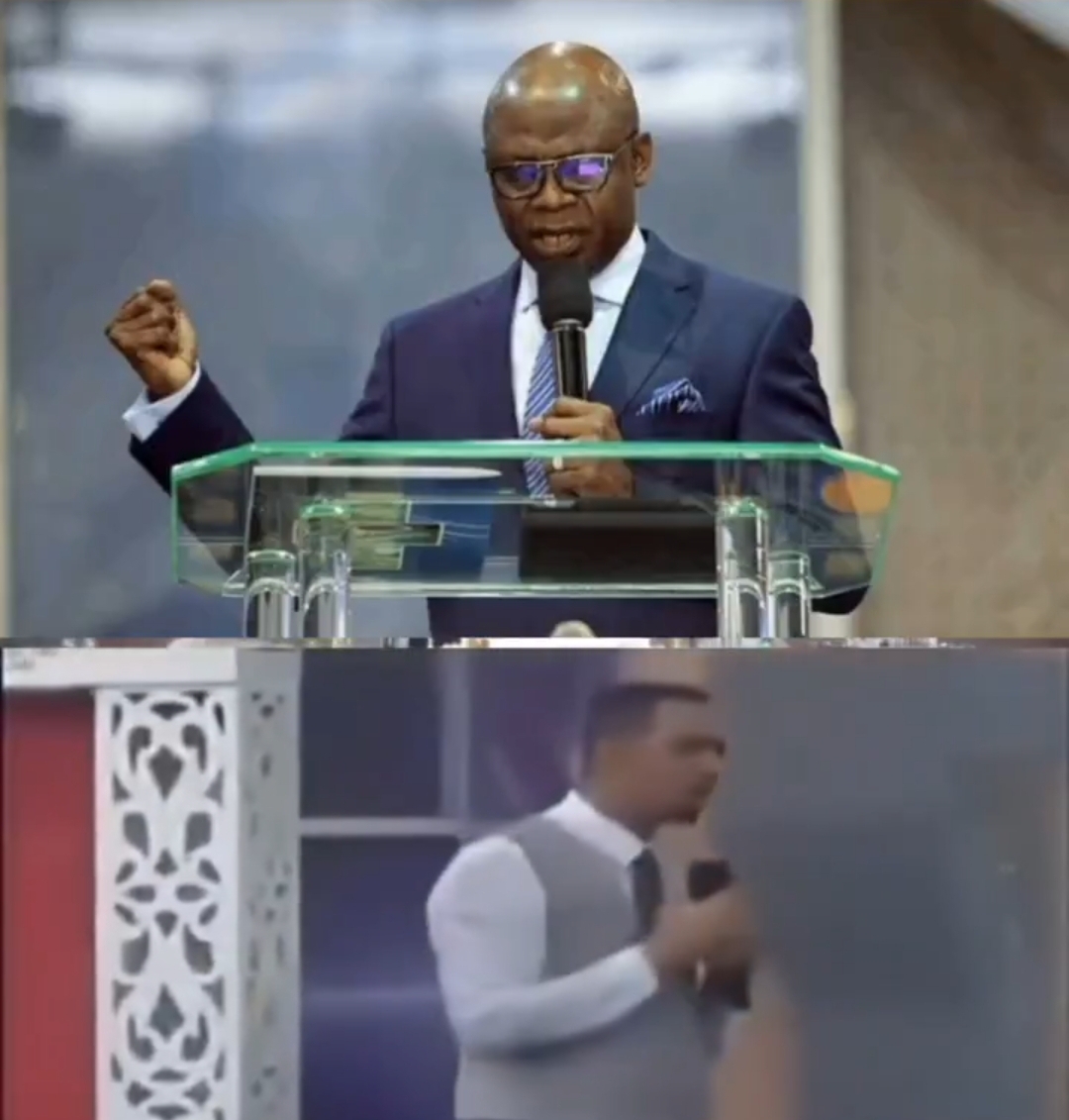
Nigeria’s religious and political space shook again on Monday after a viral X video showed Pastor Chris Okafor blasting Tunde Bakare for what he described as selective activism and strategic silence in the face of worsening Christian casualties across northern Nigeria.
The clip, now spreading rapidly through political circles and church communities, reignited an old argument about whether prominent pastors speak truth to power—or simply speak when it suits their political alliances.
In the 35-second excerpt, Okafor did not hold back. He accused Bakare of leading nationwide marches and rallying crowds against corruption during former President Goodluck Jonathan’s administration, only to become noticeably less fiery as reports emerged that over 7,000 Christians have been killed in 2025 alone by Islamist militants.
His voice rose sharply as he questioned why the same energy that powered the Save Nigeria Group during Jonathan’s tenure seems absent in an era marked by escalating kidnappings, church attacks, and mass killings. His comments struck the country like a match dropped into dry grass, instantly sparking commentary from every corner.
For many Nigerians, the attack felt deeply symbolic. Bakare, once regarded as one of the most politically fearless pastors in Nigeria, built his reputation by calling out Jonathan’s administration from 2010 to 2015.
As co-founder of the Save Nigeria Group, he stood at the forefront of the Ojota protests, demanded accountability on national TV, and famously declared that the country was dying from corruption and mismanagement.
He even ran as Muhammadu Buhari’s running mate in 2011, cementing his position as a pastor who was never afraid to wade into the political storm.
But Okafor’s criticism goes beyond historical grievances. He referenced new reports documenting over 7,000 Christian deaths in 2025 alone—a staggering figure tied to a deadly rise in Islamist militant attacks across the north.
Villages razed, churches burned, worshippers kidnapped in scores, and communities left in fear have become recurring headlines this year.
With emotions high and tensions rising, many Nigerians have asked why those who once spoke loudly against government failure appear slower to raise their voices now.
Complicating matters is Bakare’s political relationship with President Bola Tinubu. He openly supported Tinubu’s 2023 campaign and praised aspects of his leadership in the early days of the administration.
That perceived closeness has created widespread suspicion that his current posture is influenced more by political loyalty than prophetic courage. Critics say Okafor merely said what many Nigerians have whispered for months.
But the full picture is more complex than the viral clip suggests. Contrary to Okafor’s claims, Bakare has made several public criticisms of the Tinubu administration in 2025. He has warned repeatedly that the country is on the brink of violent uprisings due to insecurity and economic hardship.
In a widely circulated sermon earlier this year, he cautioned Nigerians to avoid large gatherings because the nation had “entered dangerous times.” He later challenged the government to take urgent action before, in his words, “the streets begin to speak.” These comments drew strong reactions from both the Senate and the presidency, with Tinubu’s media team describing his warnings as unhelpful and sensational.
Yet critics argue that these statements lack the force and consistency of his activism under Jonathan. They say the Bakare of 2012 marched with crowds, stood in the rain, and confronted power directly, while the Bakare of 2025 appears measured, selective, and less willing to lead public demonstrations.
Okafor’s viral rebuke tapped into that perception, turning a simmering debate into a national conversation once again.
The reactions online reflected Nigeria’s deep ideological divide. Supporters of Bakare argue that Okafor is oversimplifying a far more complex socio-political moment.
They insist that Bakare has spoken out several times and that expecting him to protest every tragedy is unrealistic. Others say pastors should not be expected to become professional activists.
But a louder wave of comments sided with Okafor, accusing Bakare of allowing political loyalty to cloud prophetic responsibility. Some even suggested that the crisis of Christian persecution has grown so severe that silence from any influential spiritual leader—no matter how subtle—feels like abandonment.
As insecurity worsens and militant attacks continue to devastate communities, the pressure on the clergy to speak boldly will only intensify.
The video from Okafor may have reopened an uncomfortable chapter, but it also exposed an ongoing national frustration: a belief that Nigeria’s spiritual leaders cannot afford selective activism in a season when their voices could save lives.
Whether Bakare will address Okafor’s accusations directly remains to be seen, but what is clear is that the debate has reignited, and Nigerians are once again demanding that their leaders—spiritual and political—choose a side and speak with conviction.
Watch the video below
“During former President Jonathan’s regime, some pastors, like Tunde Bakare, were outspoken and led several protests. But now, with Christians being k!ll£d under Tinubu’s government, he has suddenly gone silent. Shame on him.”
— CHUKS 🍥 (@ChuksEricE) December 1, 2025
— Nigerian pastor Calls out pastor Tunde Bakare pic.twitter.com/51Xafbwu7u
Twitter Post
Visit websitePopular Posts

“A Ticking Time Bomb”: Dotun’s Blunt Warning Sparks Fresh Debate After Peller’s Car Crash Drama
15 Dec, 2025
FRSC Warns Celebrities as TikToker Peller Faces Prosecution Over Road Crash
15 Dec, 2025
19-Year-Old Girl Allegedly Stabs Boyfriend to Death During Infidelity Fight in Ogun State
15 Dec, 2025Scroll to Top