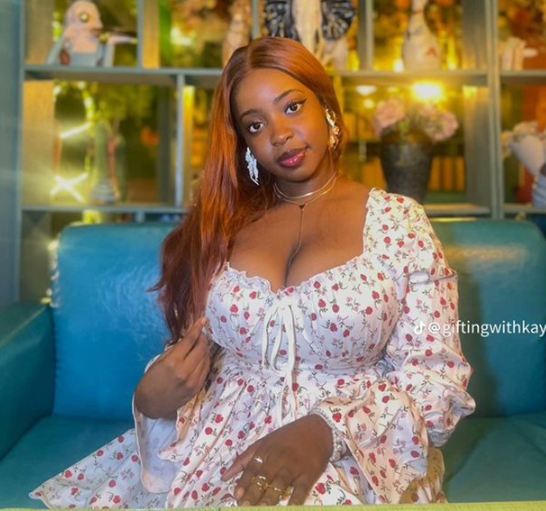
“Please Don’t Show Up”: Businesswoman Exposes Shocking Message From Client’s Girlfriend in Viral Proposal Saga
In a story that has gripped social media and sparked intense debate about relationships, loyalty, and the rising culture of “soft life benefits,” a Nigerian businesswoman has revealed a stunning message she received from a client’s girlfriend—one that reads like the plot of a dramatic romance film. According to her,
In a story that has gripped social media and sparked intense debate about relationships, loyalty, and the rising culture of “soft life benefits,” a Nigerian businesswoman has revealed a stunning message she received from a client’s girlfriend—one that reads like the plot of a dramatic romance film. According to her, she had been hired by a man to plan a surprise marriage proposal, only to receive an unexpected plea from the would-be bride begging her to sabotage the entire event.
The businesswoman, known online as @egiftingwithkayz, shared a screenshot of the message that landed in her inbox at exactly 10:43 a.m., a message that left thousands of readers stunned and divided. It began politely, with the sender introducing herself and apologizing for reaching out through a mutual friend. But by the second paragraph, the tone shifted from courtesy to conspiracy.
“Hello good morning, please I just got your number from a friend that you’re the one planning my proposal,” the message began, sounding like any curious bride-to-be trying to confirm details. But what followed next quickly revealed that she was not excited about the proposal at all.
“Is it possible that you don’t deliver on that day? Make up an excuse a night before so that he will be stranded,” she wrote, before explaining her motive in a brutally honest confession that has since set the internet on fire. “I don’t want to marry him yet but I also don’t want to say no to him because that will be the end of the relationship and the benefit. Please be a girl’s girl and do this for me. I will pay you double when I get my allowance for the week, please.”
Screenshots of the chat spread like wildfire, prompting shock, laughter, anger, and long threads of commentary about modern relationships where romance is increasingly entangled with financial benefits, lifestyle upgrades, and strategic partnerships rather than love alone. For many, the woman’s message was a blatant admission of using the relationship for perks, while being unwilling to accept the commitment that comes with it.
The businesswoman, who posted the message with no additional commentary, did not indicate whether she responded to the lady or whether she informed the boyfriend who had hired her. But the online reactions have already written several endings to the story, with users imagining everything from the proposal going ahead without warning, to the man discovering the betrayal and cancelling both the engagement and the relationship.
What has drawn the most attention is the young woman’s choice of words—particularly her admission that she wants to remain in the relationship for the “benefit.” It is a term that social media users in Nigeria are quick to decode: a reference to financial support, lifestyle allowances, gifts, trips, and various comforts that some partners enjoy while dating well-to-do individuals. But this case stands out because the woman is not just reluctant to get married; she actively wants to avoid saying “no” while still preserving access to whatever benefits the relationship provides.
The plea to the businesswoman to “be a girl’s girl” has become another major talking point. The phrase, often used to signal female solidarity, sparked debates about the ethics of supporting another woman’s emotional hesitation versus aiding deception against an unsuspecting partner. While some commenters joked that “girl code has gone international,” others argued that solidarity should not include helping someone manipulate a major life event like a marriage proposal.
Adding to the controversy is the woman’s offer to pay double—for sabotage. Social media users pointed out the irony of someone who cannot accept a proposal suddenly offering twice the fee of a legitimate client, all to buy time and continue enjoying the relationship. Some joked that the allowance she mentioned must be quite substantial if she’s confident enough to promise double payments. Others saw it as a sign that the relationship had long been more financial than emotional.
Yet, beyond the humour and the memes, many people expressed concern for the boyfriend at the centre of the storm. Planning a proposal is an emotional investment, one often tied to hopes, expectations, and vulnerability. Some netizens worried that if the businesswoman actually agreed to the request, the man might internalize the failure of the proposal as his own shortcoming, never knowing it was orchestrated behind his back. A few even suggested that the businesswoman had a moral responsibility to inform him, especially since he was the actual paying client.
The incident has also opened larger discussions about consent, communication, and expectations in relationships. In a digital era where curated lifestyles and social pressures push many toward premature engagements or relationships of convenience, this story highlights the quiet battles some people face between personal readiness and societal expectations. Several users argued that the woman’s fear of losing the relationship if she rejects the proposal signals deeper issues of dependence and insecurity. Others felt she might simply be buying time because she genuinely likes the man but is not emotionally prepared for marriage.
Still, critics argue that her approach was manipulative, unethical, and unfair to the unsuspecting boyfriend. Asking a planner to create chaos for a proposal is not only deceptive but also potentially damaging—emotionally and financially. One comment summed up public sentiment: “If you don’t want to marry him, let him go. Someone out there is praying for a man who wants to propose.”
For now, the businesswoman has not given further updates, leaving the entire situation hanging like a cliffhanger in a romantic drama. Whether she stood by her principles, refused the offer, or confronted the girlfriend remains unknown. But the story continues to trend, and the phrase “make up an excuse so he will be stranded” has entered social media vocabulary as a metaphor for people trying to avoid commitment without letting go of benefits.
If anything, this incident reveals how complicated modern relationships have become. It highlights the uncomfortable truth that love, commitment, and financial convenience often intersect in ways that challenge traditional expectations of romance. And as proposals become more elaborate, public, and emotionally charged, stories like this show that not everyone being proposed to is emotionally aligned with the moment.
Whether the relationship survives this saga or not, one thing is certain: this surprising message has sparked a nationwide conversation—one that will leave many lovers looking twice before planning surprise proposals, and many planners double-checking their phones for unexpected requests.
Share this post
Related Posts
Beyoncé Becomes a Billionaire, Joins Jay-Z as One of Music’s Richest Power Couples
The internet erupted in celebration after Beyoncé officially joining her husband Jay-Z as a billionaire....
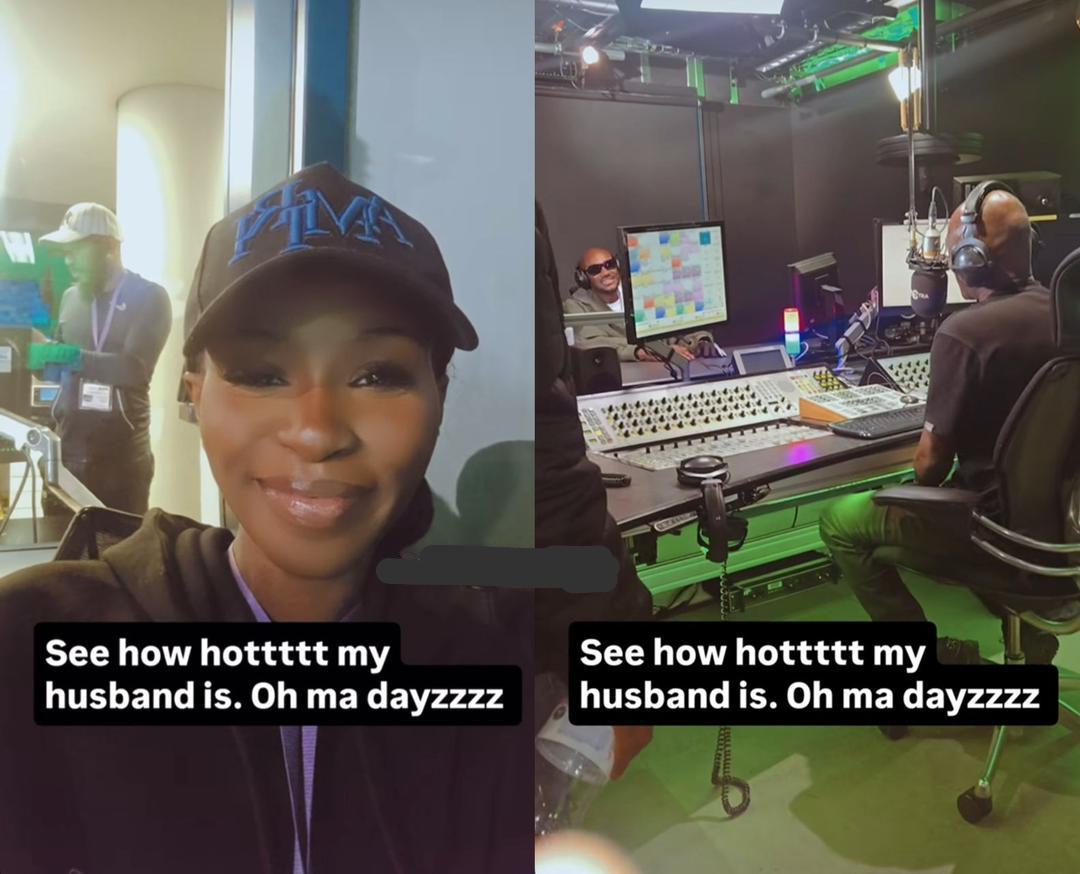
“See How Hot My Husband Is” — 2Baba’s Wife, Natasha, Gushes Over Him During Interview
Love was in the air and admiration filled the room when Natasha Idibia, wife of...

“My Heart Is Shattered”: Yvonne Jegede Breaks Down in Emotional Plea as Nigeria’s Security Crisis Deepens
Nigerian actress Yvonne Jegede has sparked a nationwide wave of emotion after breaking down in...