Religious Tensions Escalate: Christian Leader Calls for Removal of Shettima Over Alleged Political Genocide
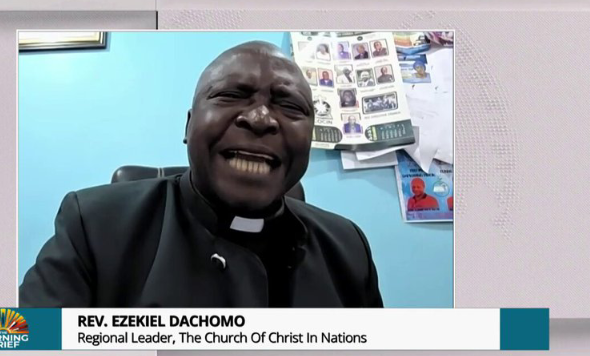
Religious tensions in Nigeria have once again taken center stage following a controversial statement by Rev. Ezekiel Dachomo, the Regional Leader of The Church of Christ in Nations. In a recent interview, Rev. Dachomo claimed that Christians are facing systematic marginalization in the political arena, alleging that the pairing of
Religious tensions in Nigeria have once again taken center stage following a controversial statement by Rev. Ezekiel Dachomo, the Regional Leader of The Church of Christ in Nations. In a recent interview, Rev. Dachomo claimed that Christians are facing systematic marginalization in the political arena, alleging that the pairing of President Bola Tinubu, a Muslim, and his running mate, Kashim Shettima, also a Muslim, constitutes “complete genocide” against Christians in the political world. The fiery comment has ignited debate nationwide, stirring both political and religious discourse in a country historically sensitive to matters of faith and governance.
Speaking passionately to reporters on the sidelines of a religious gathering, Rev. Dachomo did not mince words. “Shettima is a Muslim, the president is a Muslim. Is that not complete genocide to Christians in the political world? The way forward is to remove Shettima,” he said, emphasizing his belief that Christian voices are increasingly being silenced and sidelined in Nigeria’s political landscape. The statement immediately sparked widespread reactions on social media, where discussions about religious representation, political equity, and the role of faith in governance quickly gained momentum.
Nigeria, a country roughly evenly split between Muslims and Christians, has long grappled with the delicate balance of religion and politics. Historically, political power has often been viewed through the lens of religious and regional representation, with calls for “power rotation” and equitable inclusion being key components of national dialogue. However, as the 2025 general elections approach, the prominence of the Muslim-Muslim ticket of President Tinubu and Shettima has become a lightning rod for criticism, with some religious leaders framing it as an existential threat to Christian participation in governance.
Rev. Dachomo’s assertion is not an isolated concern. Over the years, various Christian organizations and political commentators have raised alarms over perceived marginalization. They argue that certain appointments, policies, and political alignments disproportionately favor Muslim leaders in key federal and regional positions, potentially leaving Christian communities without adequate representation. Critics contend that this lack of balance may undermine the principles of inclusion that Nigeria’s constitution seeks to uphold.
Supporters of the Tinubu-Shettima ticket, however, insist that religion should not be a determining factor in political appointments or elections. They argue that leadership credentials, experience, and competence should take precedence over religious affiliation. For them, the criticism amounts to fear-mongering and an attempt to politicize faith, which could inadvertently deepen divisions rather than foster unity. Prominent political analysts have noted that Nigeria’s secular constitution guarantees equal rights for citizens regardless of religion, and any claim of “genocide” in a political context must be approached with caution and rigorous scrutiny.
Nevertheless, Rev. Dachomo’s statement has resonated with segments of Nigeria’s Christian population who feel increasingly alienated from the corridors of power. In churches and community forums across the country, congregants have voiced concerns about representation and the perceived sidelining of Christian voices in federal decision-making. Some religious leaders have called for peaceful advocacy, urging Christians to mobilize politically and demand a more inclusive governance structure that reflects the country’s religious diversity. Others have expressed fear that the current trajectory may exacerbate interfaith tensions and inflame historical grievances.
The reaction on social media has been swift and polarized. While some users praised Rev. Dachomo for speaking truth to power, others criticized his choice of words, suggesting that framing political imbalance as “genocide” is inflammatory and unhelpful. Commentators on platforms like X (formerly Twitter) and Facebook have debated the implications of religious representation in leadership, with hashtags reflecting both support for the Tinubu-Shettima ticket and calls for more inclusive governance trending across the country. Some prominent political bloggers have analyzed past elections, pointing out that religious representation has been a recurring issue, but they caution against labeling it in terms as extreme as genocide, which carries grave connotations.
Political analysts have weighed in, noting that while the rhetoric is striking, the underlying issues raised by Rev. Dachomo merit serious attention. Dr. Ifeanyi Okafor, a political scientist at the University of Lagos, said, “The statement reflects a genuine concern among certain Christian communities about fair representation. Whether or not one agrees with the choice of words, the underlying anxiety is real and should be addressed through dialogue, not confrontation.” He added that the government and religious organizations must engage in constructive conversations to ensure that all citizens feel included and represented, particularly in high-stakes political decisions.
Meanwhile, the Tinubu campaign has largely refrained from engaging directly with the controversy, maintaining that their focus remains on policy issues, economic development, and national security. A spokesperson for the campaign reiterated that Nigeria’s constitution guarantees freedom of religion and that leadership decisions are made with the nation’s interests in mind, rather than religious considerations. Political observers suggest that the campaign’s strategy is to avoid amplifying religious tensions, which could be detrimental in a diverse and politically volatile environment.
Religious leaders on both sides of the debate have called for restraint, urging Nigerians not to let faith become a source of division. Many have emphasized that peaceful coexistence and mutual respect must remain central to national life. Interfaith dialogues and community engagement initiatives have been highlighted as potential avenues for addressing grievances and fostering understanding between different religious groups, ensuring that political competition does not spiral into sectarian conflict.
The controversy surrounding Rev. Dachomo’s statement is likely to remain a talking point as Nigeria moves closer to the elections. Analysts predict that religious considerations will continue to play a role in political debates, influencing voter perceptions and campaign narratives. The central challenge for the nation will be balancing these concerns with the imperative of national unity, avoiding the pitfalls of polarization while ensuring that all communities feel represented and valued in the political system.
In the meantime, discussions around religious representation, political equity, and the boundaries of rhetoric are expected to intensify. With Nigeria’s complex history of interfaith relations, statements like those made by Rev. Dachomo serve as a reminder of the deep sensitivities that continue to shape the country’s political landscape. Whether his call for the removal of Shettima will gain traction remains uncertain, but it has undeniably placed the spotlight back on the ongoing debate about faith, power, and representation in Nigeria’s democracy.
As Nigerians watch developments unfold, the conversation is likely to extend beyond politics, touching on social cohesion, religious tolerance, and the shared responsibilities of leaders and citizens alike. One thing remains clear: the intersection of religion and politics in Nigeria continues to be a potent, sometimes explosive, force, shaping narratives and decisions at the highest levels of leadership. Rev. Dachomo’s words, whether viewed as a rallying cry or a controversial provocation, have underscored the urgency of addressing these issues head-on, in ways that affirm the rights and dignity of all Nigerians, regardless of faith.
https://x.com/channelstv/status/1995415057606271153?t=moCuhD6D61TN_lEn8pzBDg&s=08
Share this post
Related Posts
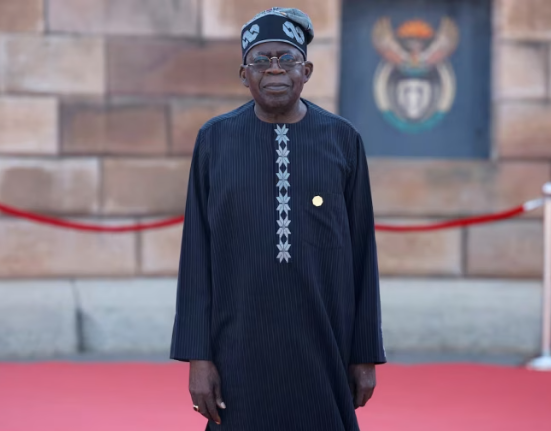
“I Know Road, I Will Lead You to the Promised Land” — President Tinubu’s Bold Vision for Nigeria’s Future
In a stirring and confident address that has captured the attention of Nigerians nationwide, President...
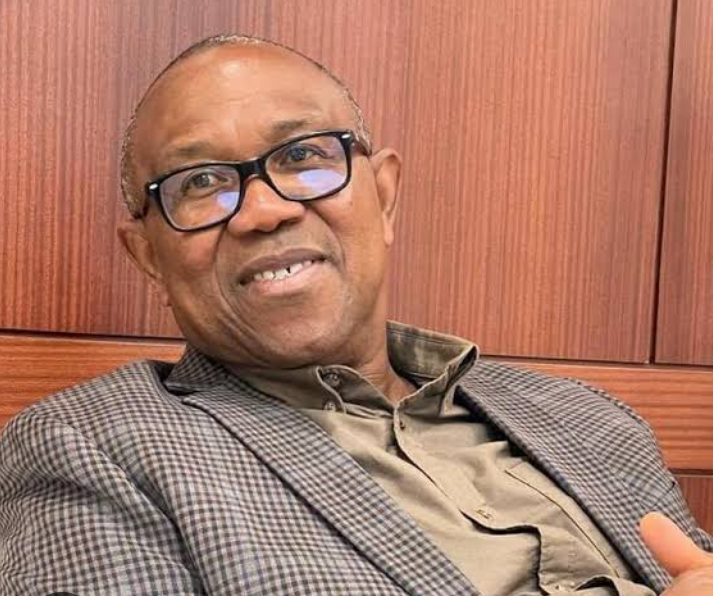
“A National Shame”: Peter Obi Condemns Niger Market Attack, Demands Urgent End to Nigeria’s Relentless Insecurity
Former Labour Party presidential candidate, Peter Obi, has strongly condemned the recent terrorist attack on...
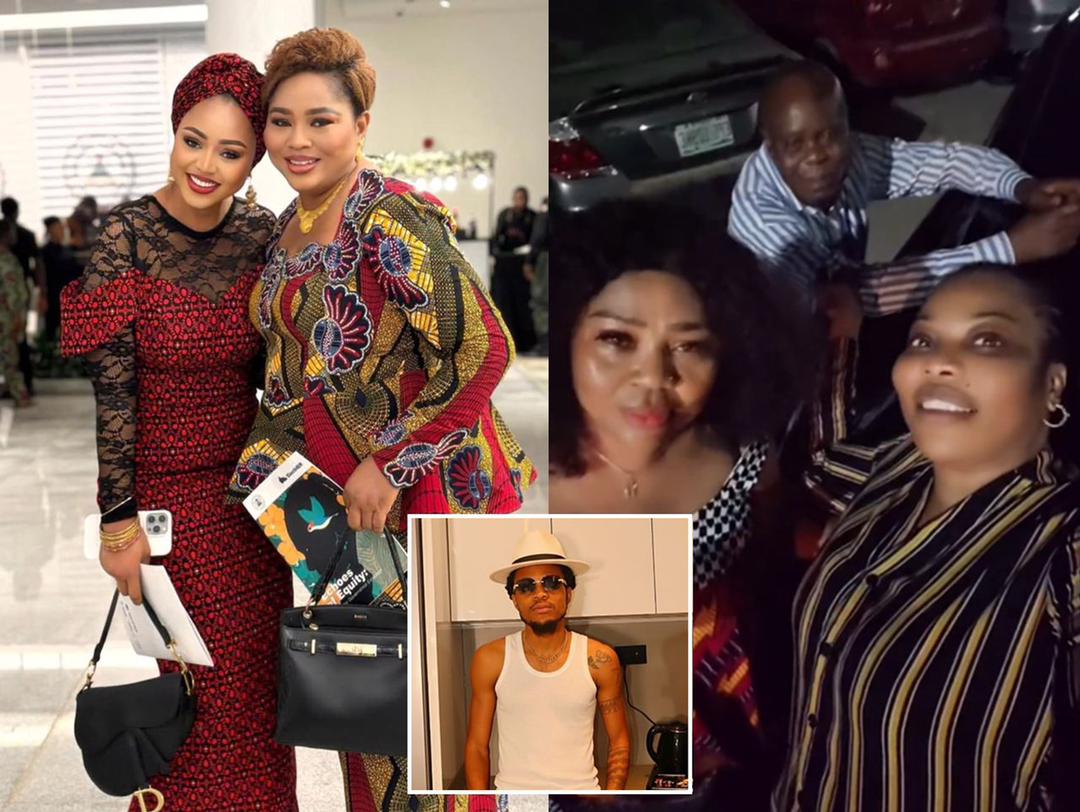
“Thank You, That’s All I Can Say for Now” – Rita Daniels Breaks Silence After Finally Seeing Her Son, Sammy, Following His Alleged Arrest
The atmosphere around the Daniels family has been a mix of relief, gratitude, and emotional...