news
RIBADU PUSHES FOR STRONGER U.S.–NIGERIA SECURITY ALLIANCE AS AMERICAN LAWMAKERS STORM ABUJA FOR HIGH-LEVEL TALKS
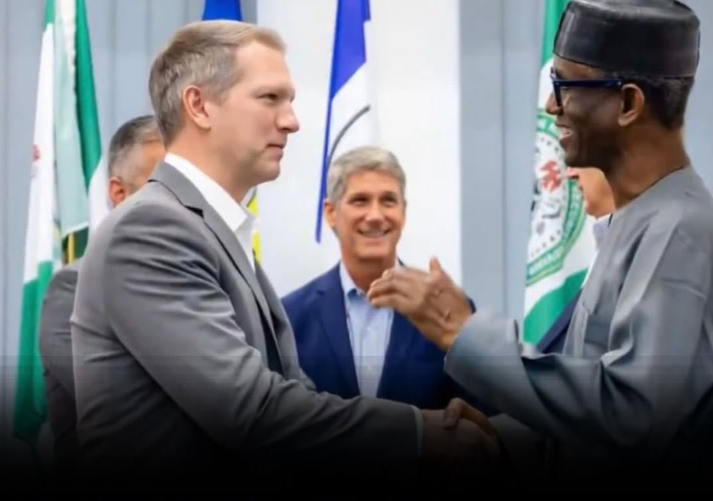
In a renewed diplomatic effort to reinforce Nigeria’s security architecture, National Security Adviser Nuhu Ribadu on Monday met with a powerful delegation of U.S. lawmakers in Abuja, marking what analysts describe as one of the most strategic engagements between both nations in recent months. The visit, led by senior members of the U.S. House of Representatives, follows last month’s high-level security consultations in Washington and signals a deepening commitment to tackling terrorism and instability across West Africa.
The American team—comprising Mario Díaz-Balart, Norma Torres, Scott Franklin, Juan Ciscomani, and Riley Moore—touched down in the Nigerian capital as part of a follow-up mission aimed at expanding the scope of bilateral cooperation. The presence of multiple lawmakers from different committees underscored Washington’s growing interest in the evolving security dynamics in Nigeria and the wider Sahel region. U.S. Ambassador to Nigeria, Richard Mills, was also in attendance, a detail Ribadu described as a powerful symbol of the seriousness both countries attach to the partnership.
Ribadu, who has continued to lead the federal government’s diplomatic engagements on national security, expressed confidence that the renewed dialogue would open a new chapter in Nigeria–U.S. relations, especially in counter-terrorism collaboration. Speaking after the closed-door meeting, he noted that Nigeria remains fully committed to working with the United States to curb the rising threats of terrorism, violent extremism, and cross-border criminal networks undermining regional stability.
According to him, the talks were not merely routine consultations but part of a deliberate drive to transform the scope of cooperation into a more structured, long-term framework. “Discussions focused on counter-terrorism cooperation, regional stability, and strengthening the Nigeria–U.S. strategic security partnership,” Ribadu wrote in a statement after the meeting. He further stressed that he was optimistic that the engagement would deepen trust, improve intelligence-sharing, and strengthen both countries’ shared commitment to peace and security.
Inside sources familiar with the meeting described the atmosphere as unusually frank, with both sides acknowledging that the challenges confronting Nigeria have grown significantly more complex. From the persistent attacks carried out by terror groups in the Northeast, to rising banditry in the Northwest, and the expanding threats of kidnapping and illicit arms trafficking, Nigerian officials emphasized that the country’s security landscape now requires stronger international collaboration, particularly with partners that have advanced intelligence and counter-terrorism capabilities.
American lawmakers, on their part, reportedly expressed readiness to support areas such as counter-terrorism training, advanced surveillance, border security, cyber-monitoring systems, and improved logistics for Nigerian forces operating in conflict-prone regions. While no formal agreements were announced, insiders said the lawmakers were receptive to Nigeria’s request for more structured engagement beyond ad-hoc support.
The delegation’s visit is also seen as part of the broader U.S. strategy to stabilize the Sahel, especially as many countries in the region—including Mali, Burkina Faso, and Niger—have shifted towards military juntas and increasingly distanced themselves from Western allies. With rising Russian influence and new geopolitical tensions shaping Africa’s security outlook, the United States appears keen on strengthening ties with Nigeria, which remains the region’s most consistent democratic and economic anchor.
Analysts believe that Nigeria’s strategic importance makes such engagements critical for the United States, not only because of the country’s size and population but also its influence on West African regional politics, military cooperation, and counter-terrorism coordination. The Abuja meeting, they say, highlights a mutual understanding that insecurity in Nigeria carries implications that reach far beyond its borders.
For Ribadu, the visit came at a moment when the Nigerian government is under increasing pressure to show results in the fight against terrorism and widespread bandit attacks. Over the past decade, terrorism in the Northeast has morphed from a localized insurgency into a broader network involving ISIS-affiliated groups, foreign mercenaries, and sophisticated funding channels. Security experts say that without deeper partnerships, Nigeria may continue to struggle with the evolving dynamics of these threats.
Monday’s engagement therefore offers the government a new opportunity to re-energize international support, tighten intelligence cooperation, and adopt more technologically advanced counter-terrorism tools. With the U.S. lawmakers expressing strong interest in Nigeria’s long-term stability, expectations are high that the renewed dialogue may translate to enhanced military assistance, improved diplomatic coordination, and increased investments in peace-building initiatives across vulnerable communities.
Still, beyond the political statements and diplomatic pictures, many Nigerians will want to see tangible improvements on the ground. Rural communities continue to grapple with deadly attacks, farmers remain displaced, and economic activities in many regions have been crippled by insecurity. For these citizens, the priority is not high-level visits but concrete actions that translate into safer roads, protected farmlands, and functioning local security structures.
Observers say the real test will be how quickly the two nations can operationalize the promises made during the meeting. The hope is that the renewed partnership will not be limited to military solutions alone but will also address underlying issues such as poverty, unemployment, community resilience, and deradicalization—factors that often fuel recruitment into extremist groups.
Yet, despite the challenges ahead, the tone of the Abuja meeting suggests that both countries are entering a new phase of tighter coordination. The presence of a high-ranking U.S. delegation, coming so soon after the Washington talks, signals a clear message that the United States sees Nigeria as an indispensable ally in securing the region and countering extremist threats.
Ribadu’s confidence was evident in his closing remarks, where he expressed hope that the engagement would help build a more predictable and transparent framework for cooperation. “I’m optimistic this engagement will deepen trust, collaboration, and shared commitment to peace and security,” he said, reflecting the government’s expectation that Nigeria’s partnership with the United States is on the cusp of a more impactful era.
As Abuja’s diplomatic corridors continue to buzz with conversations about strengthened alliances, the broader Nigerian public watches closely, hopeful that these engagements will bring the nation closer to lasting stability. While global politics and security alignments continue to shift rapidly, Nigeria’s quest for peace remains as urgent as ever—making partnerships like this not just strategic, but essential for the country’s future.
Popular Posts

Tears, Relief, and Renewed Anger as 100 Abducted Niger Schoolchildren Regain Freedom, Over 150 Still in Captivity
07 Dec, 2025
Korra Obidi Sets Social Media on Fire After Twerking Inside Seun Kuti’s Unfinished Lagos Mansion
07 Dec, 2025
“My Journey Toward Peace Began With You” — Regina Daniels’ Heartfelt Birthday Tribute to Brother Sammy West Melts Fans Across Nigeria
07 Dec, 2025Scroll to Top