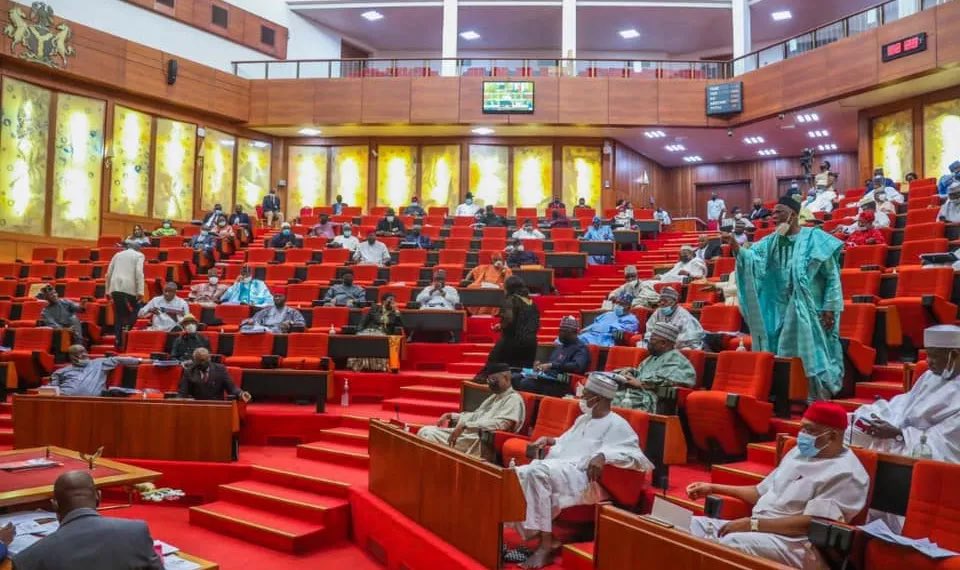
Senate Seeks Special Protection as Police Withdrawal Sparks Security Concerns
In a move that has ignited intense debate across the nation, the Nigerian Senate has formally appealed to President Bola Tinubu, requesting that its members be exempted from a recent presidential order that mandates the withdrawal of police escorts from VIPs. The lawmakers, citing increasing security threats and their high-profile
In a move that has ignited intense debate across the nation, the Nigerian Senate has formally appealed to President Bola Tinubu, requesting that its members be exempted from a recent presidential order that mandates the withdrawal of police escorts from VIPs. The lawmakers, citing increasing security threats and their high-profile status, argued that the directive could expose them to unnecessary risks, particularly in the current climate of heightened criminal activity across several states.
The appeal, submitted on Wednesday, underscores the deep concerns among senators that the removal of police protection could compromise their ability to perform legislative duties safely. Sources within the Senate disclosed that the lawmakers emphasized the distinction between ordinary citizens and elected officials whose roles and responsibilities make them targets for criminal acts. “We are not asking for special treatment without cause,” one senior senator reportedly said. “We are highlighting genuine security concerns that, if unaddressed, could have serious implications for the functioning of our democracy.”
President Tinubu’s order, which has been widely publicized, aligns with his administration’s broader agenda to scale down the use of police personnel for the protection of VIPs. According to officials from the presidency, the directive is intended to reallocate police resources to areas of critical need, particularly in tackling widespread insecurity in local communities. The government argues that the current practice of assigning police escorts to political officeholders has, in some cases, led to inefficiencies and diverted manpower away from public safety priorities.
However, the Senate’s petition points to a contrasting perspective, where the safety of legislators is viewed as integral to national governance. Senators have reportedly cited recent incidents of attacks and threats against public officials in various parts of Nigeria, arguing that the absence of security details could render them vulnerable. Lawmakers emphasized that the risk is not merely theoretical, noting that senators often engage in high-stakes negotiations and oversight functions that can attract animosity from individuals or groups opposed to their decisions.
The controversy has sparked a public debate on the balance between national security priorities and the protection of public officials. Critics of the Senate’s appeal argue that the move reinforces perceptions of elitism and detachment from the everyday security challenges faced by ordinary Nigerians. Many citizens have expressed frustration over what they perceive as a disparity in treatment, highlighting that ordinary Nigerians continue to live under persistent threats of armed robbery, kidnapping, and communal violence while VIPs enjoy additional protection.
Social media platforms have been flooded with opinions on the matter. Some commentators argue that the Senate’s plea is a legitimate request for protection, citing the increasing audacity of criminal networks targeting prominent figures. Others contend that the appeal undermines efforts to make police resources more accessible to the general populace and may perpetuate a culture of privilege in governance. The divide in public opinion underscores the complexity of security management in Nigeria, where limited resources must be balanced against competing demands from different sectors of society.
In response to the Senate’s appeal, some security analysts have weighed in on the implications of a selective exemption. While acknowledging the legitimacy of lawmakers’ concerns, experts warn that creating a precedent where VIPs receive special exemptions could further strain the already overstretched police force. “The key challenge here is resource allocation,” said a former police commissioner. “If we continue to provide escorts to a select group, it inevitably means fewer officers are available to protect ordinary citizens, who arguably face higher day-to-day risks.”
The tension between governance and security policy is further complicated by Nigeria’s current security landscape. The country has experienced rising incidents of banditry, kidnappings, and political violence in recent years, prompting calls for urgent reform and more effective deployment of law enforcement personnel. Critics of the VIP protection system argue that withdrawing police escorts from public officials could encourage a more community-focused policing model, allowing officers to concentrate on crime hotspots rather than the personal safety of a privileged few.
On the other hand, senators maintain that their work places them in unique positions of vulnerability. They frequently travel across states to engage with constituents, attend legislative sessions, and participate in oversight visits, often in areas with minimal security infrastructure. The Senate’s appeal suggests that the removal of police protection could expose lawmakers to targeted attacks, potentially affecting the legislative process and national stability. The document submitted to the presidency reportedly requested a review of the order, at least in relation to elected officials, citing both precedent and practical considerations.
Political commentators note that the appeal also has broader implications for the relationship between the executive and legislative branches of government. While the Tinubu administration emphasizes reform and efficiency in public service, the Senate’s move could be interpreted as a pushback, highlighting the need for collaboration and consultation on matters that affect lawmakers directly. The outcome of this appeal may set a tone for how security policies involving high-profile officials are crafted and implemented in the future.
In addition to raising immediate concerns about personal safety, the Senate’s plea touches on deeper questions about governance and public perception. Many Nigerians are closely watching how the presidency will respond, weighing considerations of equity, safety, and resource allocation. Observers note that a measured response could demonstrate the administration’s commitment to protecting public officials while still prioritizing broader societal security needs. Conversely, a blanket refusal could fuel debates about the vulnerability of lawmakers and the risks inherent in their roles.
As the situation unfolds, the dialogue between the Senate and the presidency is likely to attract further scrutiny from media, civil society organizations, and security agencies. Analysts predict that the decision will influence not only the immediate protection of lawmakers but also the broader discourse on security reform in Nigeria. It may also prompt lawmakers to explore alternative security arrangements, such as private measures or technological solutions, if government-provided protection is curtailed.
In the meantime, the Senate’s appeal stands as a reflection of the ongoing challenges in balancing governance, safety, and resource allocation in a country where security concerns remain a top priority. The outcome will not only affect the personal security of Nigeria’s legislators but could also set a precedent for how the government navigates the complex terrain of protecting public officials without compromising service to the citizenry.
The nation now waits for President Tinubu’s response, a decision that could reverberate through the corridors of power and into the streets where ordinary Nigerians continue to contend with pressing security challenges. The unfolding debate underscores the delicate equilibrium between safeguarding those who make the laws and ensuring that the resources meant to protect society at large are effectively deployed. With both sides presenting compelling arguments, the resolution of this matter promises to shape Nigeria’s security and political discourse in the months and years to come.
Share this post
Related Posts
ASUU Declares Two-Week Warning Strike as Deadline Expires, Students Brace for Another Round of Disruption
In a shocking but not entirely unexpected development, the Academic Staff Union of Universities (ASUU)...

Sophia Momodu and Daughter Imade Melt Hearts as They Visit Priscilla Ojo and Her Newborn with Thoughtful Gifts
It was a heartwarming moment that lit up social media on Sunday when Sophia Momodu,...
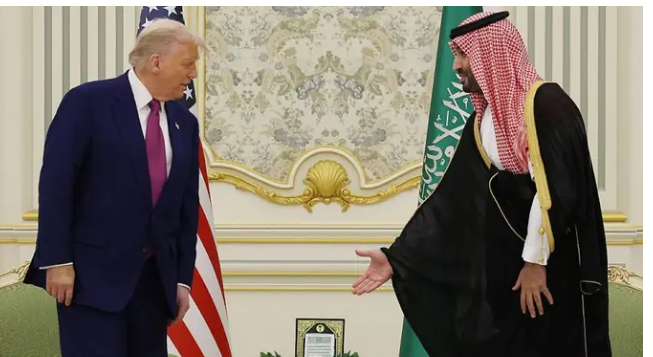
Trump\'s Ultimatum: Iran Must Choose Between Nuclear Ambitions and Severe Consequences
In a landmark speech delivered in Saudi Arabia, President Donald Trump issued a stark ultimatum...