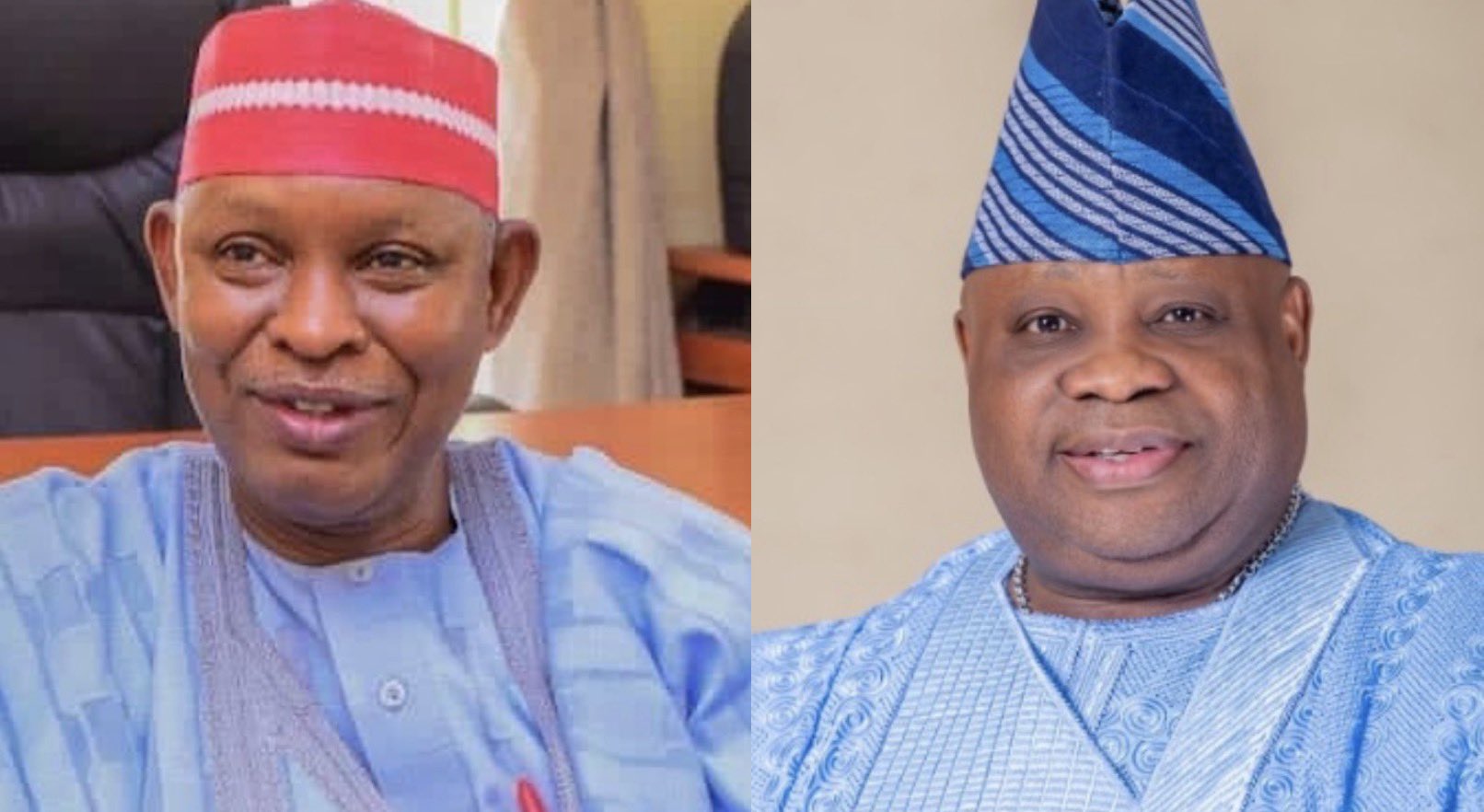
Shock Spending Amid Struggle: Kano, Osun Lead as 13 States Splash N22.6bn on Foreign Trips Amid Economic Hardship
Nigeria’s economic realities paint a stark picture: rising inflation, fuel shortages, and a struggling population trying to make ends meet. Yet, in a move that has sparked outrage among citizens, an analysis of expenditure data from 13 states reveals that a staggering N22.669 billion was spent on foreign trips from
Nigeria’s economic realities paint a stark picture: rising inflation, fuel shortages, and a struggling population trying to make ends meet. Yet, in a move that has sparked outrage among citizens, an analysis of expenditure data from 13 states reveals that a staggering N22.669 billion was spent on foreign trips from January to September 2025. The states of Kano, Osun, and Benue led this list of top spenders, raising serious questions about priorities at a time when ordinary Nigerians are struggling to afford basic necessities.
The analysis, compiled from state budget reports and official expenditure disclosures, highlights a pattern of excessive spending on travel, often for purposes that critics describe as “non-essential” or “luxury visits” abroad. Citizens, advocacy groups, and economic analysts alike have condemned the practice, arguing that these funds could have been better deployed to tackle urgent local issues such as health, education, and infrastructure.
Kano State, the country’s most populous state, tops the spending list with billions reportedly allocated to international travel within the nine-month period. While the state government has justified some of these trips as necessary for foreign investment and diplomatic engagement, critics argue that such justification rings hollow against the backdrop of dwindling local revenue and growing poverty.
Osun State, known for its cultural heritage and history, came in a close second in foreign trip spending. Reports suggest that high-ranking officials traveled extensively to Europe, North America, and parts of Asia for conferences, workshops, and summits. While such trips are sometimes positioned as vital for knowledge exchange or partnerships, citizens point to crumbling local roads, schools, and hospitals as a painful contrast to the millions being spent on flights, hotels, and allowances abroad.
Benue State, another significant spender, has reportedly used foreign travel as a tool for agricultural partnerships and international trade discussions. However, the cumulative spending from all three states—alongside ten others whose expenditures range from hundreds of millions to over a billion Naira each—adds up to a shocking N22.669 billion in just nine months. In real terms, this figure could fund hundreds of primary schools, thousands of hospital beds, or critical infrastructure projects that directly impact citizens’ daily lives.
Analysts argue that such spending is not only ethically questionable but economically imprudent. Professor Chinedu Eze, an economist at the University of Lagos, noted, “At a time when the national economy is under severe strain, state governments must prioritize spending that directly benefits the populace. Foreign trips, unless tied to concrete, measurable returns, represent a misallocation of scarce resources.”
Many Nigerians have taken to social media to express their frustration. Hashtags criticizing excessive government spending and calling for accountability have trended repeatedly in recent weeks. Ordinary citizens recount personal hardships, from families struggling to afford school fees to health workers facing poor working conditions, juxtaposed against reports of lavish international travel. Some have even drawn attention to the irony of officials spending billions abroad while local tourism and cultural sites are neglected or in disrepair.
Advocacy groups have also weighed in, calling for transparency and stricter controls over state funds. The Civil Society Coalition for Responsible Governance (CSCRG) issued a statement demanding detailed accounting of every Naira spent abroad, emphasizing that citizens deserve to know the tangible benefits of such trips. “Travel allowances, luxury accommodations, and conference fees should never overshadow the basic needs of the people who elected these officials,” the group said.
The controversy also raises broader questions about governance and fiscal discipline in Nigeria. Despite repeated calls for austerity measures and fiscal responsibility, the spending data shows a continued trend of prioritizing personal comfort and international appearances over local welfare. In a country where over 40 percent of the population lives below the poverty line, such expenditures are likely to fuel public disillusionment and distrust in government institutions.
Officials, for their part, argue that international trips are essential for strategic partnerships, foreign investment, and global visibility. Some have cited successful trade deals and foreign investments secured as a result of these trips, though critics insist that such benefits are often overstated and do not justify the level of expenditure reported. Moreover, with state budgets under pressure, critics contend that these trips should be evaluated rigorously for cost-effectiveness and necessity.
The public backlash is understandable. Pictures and reports of officials staying in five-star hotels, attending global summits, and receiving lavish per diems stand in stark contrast to the lived experiences of millions of Nigerians facing daily economic hardship. Stories abound of citizens paying out-of-pocket for essential medical treatment, coping with unstable electricity supply, and navigating deteriorating roads. Against this backdrop, the revelation of N22.669 billion spent on foreign trips becomes not just a matter of poor budgeting, but a symbol of the disconnect between government priorities and citizen needs.
Economic commentators suggest that part of the problem lies in the opaque nature of state finances. Unlike the federal government, which has some degree of public scrutiny, many state budgets operate with minimal oversight. This lack of transparency makes it difficult to track the return on investment for foreign trips and opens the door to potential misuse of funds.
The timing of this spending has further fueled public indignation. While inflation remains high and unemployment stubbornly persistent, state officials have opted to channel billions into travel rather than into programs that could immediately alleviate suffering at home. Experts warn that continued disregard for citizen welfare could deepen societal frustration, potentially leading to increased protests and calls for reform at both the state and federal levels.
As the debate rages, one thing remains clear: Nigerians are demanding accountability. Citizens want to see tangible outcomes from every naira spent, especially in times of economic stress. The N22.669 billion spent on foreign trips by just 13 states in nine months is more than a number—it is a reflection of governance priorities, and a litmus test for public tolerance in a nation grappling with economic hardship.
For now, the question lingers: how will state governments respond to this mounting pressure? Will there be a recalibration of spending priorities, with funds redirected to local development and social welfare, or will foreign trips continue to be treated as essential perks of office? For the millions of Nigerians watching closely, the answer will speak volumes about the leadership, integrity, and empathy of those entrusted with public resources.
What is undeniable is that, in an era defined by economic struggle, every Naira counts. And as Kano, Osun, Benue, and ten other states collectively spend N22.669 billion on foreign travel, ordinary citizens are left to reckon with the stark reality of priorities that often feel out of touch with the hardships they endure daily. In a country where hope and resilience remain abundant, public scrutiny may yet prove the strongest check on governance excesses.
Share this post
Related Posts

“Go and Start Your Own Church!” — Pastor Funke Felix-Adejumo Fires Back at Critics of Pastor Jerry Eze in Fiery Defense of Ministry and Motive
A fresh wave of debate has swept across Nigeria’s faith community after renowned preacher Funke...
SportyBet to Spiritual Scam: Man Blasts Uncle for Sending ₦300K to TikTok Pastor After Winning ₦350K
In an incident that has ignited both disbelief and outrage across Nigerian social media, a...

“Love Looks Good on Them!” — Senator Natasha Akpoti-Uduaghan Melts Hearts with Adorable Photos of Her and Husband
In a refreshing break from the usual political buzz and Senate hall debates, Senator Natasha...