Entertainment
“Signed: Nigerians” — OAP Dotun’s Sarcastic Swipe at Regina Daniels Ignites Fresh Firestorm in Ongoing Custody Drama
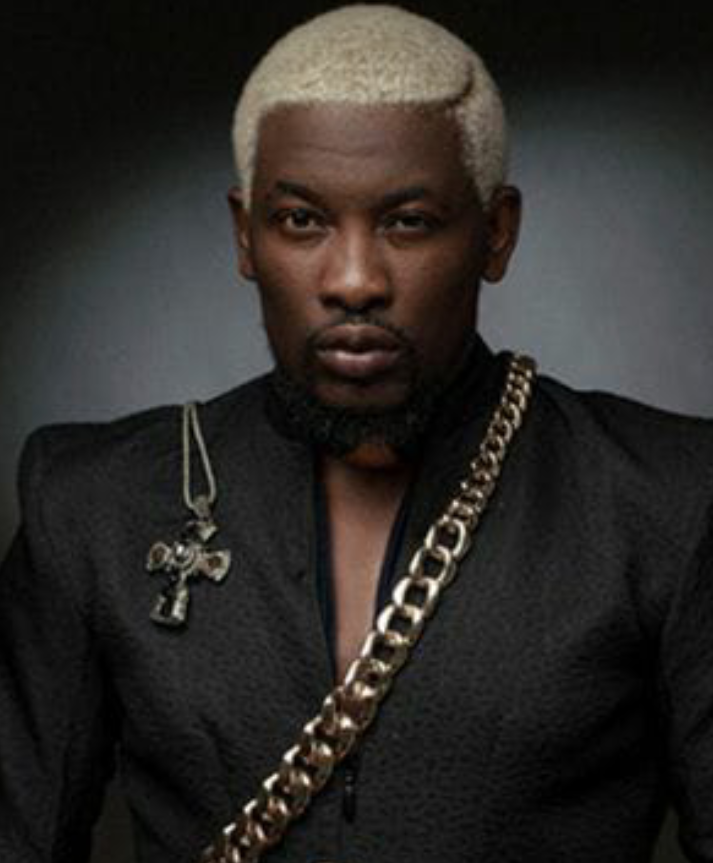
Popular On-Air Personality Dotun Kayode, widely known as Do2dtun, has stirred intense reactions online after sharing a sharply sarcastic message aimed at Nollywood actress Regina Daniels amid her ongoing and highly publicized child custody dispute with her estranged husband, Senator Ned Nwoko. The media personality’s comments, brief but cutting, quickly went viral and added a new layer of controversy to an already emotional and polarizing saga that has dominated conversations across Nigerian social media platforms in recent days.
In a post shared on his X (formerly Twitter) account, Dotun appeared to mock the circumstances surrounding Regina’s separation from her children. “Regina Daniels you are still young, you can have more kids. When they grow up, they will look for you. Signed: Nigerians,” he wrote. He followed it with a line that further fueled debate: “I hope whatever is good for the goose is also good for the gander… iree o!” Though framed with sarcasm, the message landed heavily, drawing mixed reactions from fans, critics, and observers who are closely following the unfolding drama.
The timing of Dotun’s comment is significant. Regina Daniels has been at the center of public attention after emotionally speaking out about being separated from her children and alleging that she has been denied access to them. Her statements sparked widespread sympathy, with many Nigerians expressing outrage and concern over the welfare of both the actress and her children. However, the narrative became more complex when Senator Ned Nwoko responded publicly, countering her claims and stating that the children were not hidden from her, while also revealing that a court ruling required Regina to undergo rehabilitation before access could be restored.
Against this backdrop, Dotun’s sarcastic remark was perceived by many as insensitive, while others saw it as a reflection of a broader societal hypocrisy. The phrase “Signed: Nigerians” suggested that the OAP was holding up a mirror to public opinion, implying that the same society showing sympathy for Regina might be quick to dismiss or ridicule similar situations involving others, especially men. His reference to “whatever is good for the goose is also good for the gander” further reinforced this angle, hinting at perceived double standards in how marital and custody disputes are judged based on gender, fame, or public sentiment.
As expected, reactions were swift and divided. Some social media users applauded Dotun for saying what they felt others were afraid to voice, arguing that public figures must be ready for scrutiny and that emotional narratives should not overshadow legal realities. Supporters claimed his post was not a direct attack on Regina but a commentary on how Nigerians often take sides without full information, turning deeply personal family matters into public entertainment.
On the other hand, many critics condemned the post as cruel and dismissive, especially considering the emotional toll of being separated from one’s children. Several users pointed out that telling a mother she is “still young” and can “have more kids” trivializes motherhood and reduces children to replaceable entities, a sentiment they found deeply troubling. For these critics, Dotun’s attempt at sarcasm crossed a moral line, regardless of any underlying commentary on societal hypocrisy.
Regina Daniels herself did not directly respond to Dotun’s comment at the time of reporting, but the broader online discourse suggests that public patience with flippant takes on the matter is wearing thin. The actress, who rose to fame as a child star and later married Senator Nwoko in a union that has long attracted scrutiny due to their age gap and his polygamous status, has often found her personal life dissected in the court of public opinion. Her recent emotional posts marked a rare moment of vulnerability, which many felt deserved empathy rather than mockery.
Dotun’s involvement also drew attention because of his own public history. The OAP has previously spoken openly about his struggles following his divorce, including issues around access to his children. This context led some observers to accuse him of projecting personal experiences onto Regina’s situation, while others felt this background gave him a unique perspective on custody battles and public judgment. The irony of a divorced father making such a statement about a mother’s access to her children was not lost on many commentators.
Beyond individual reactions, the incident has reignited broader conversations about how Nigerians engage with celebrity crises. Social media has become a powerful court where narratives are formed, judged, and sometimes dismantled within hours. In cases involving family, children, and legal disputes, the line between commentary and cruelty often becomes blurred. Dotun’s post exemplifies how quickly a single tweet can shift the tone of a national conversation, turning sympathy into sarcasm and debate into outrage.
The custody saga between Regina Daniels and Ned Nwoko remains unresolved in the public eye, with legal processes still ongoing and both parties presenting conflicting accounts. What is clear, however, is that the situation has exposed deep societal tensions around marriage, power, gender roles, and parental rights. While some see Regina as a young woman caught in a complex and unequal relationship, others view the matter through a legal lens, emphasizing court rulings and due process over emotional appeals.
Dotun’s sarcastic message, whether intended as social commentary or provocation, has now become part of that larger narrative. It underscores the risks public figures take when weighing in on sensitive issues and highlights how quickly public sentiment can turn against those perceived to lack empathy. At the same time, it reflects a growing fatigue among some Nigerians with celebrity-driven outrage cycles, where complex legal and personal issues are reduced to viral soundbites.
 As the debate continues, one thing remains certain: the intersection of fame, family, and social media in Nigeria is as volatile as ever. Dotun’s words may fade from trending lists in days to come, but the questions they raised about empathy, double standards, and the ethics of public commentary are likely to linger. In a society where private pain is increasingly played out on public timelines, the Regina Daniels custody saga has become more than a personal dispute—it is a mirror reflecting how Nigerians choose to judge, support, or ridicule those at the center of the storm.
Popular Posts
Wedding Bells Amid the Storm: Pastor Chris Okafor Marries as Online Allegations Ignite Debate
17 Dec, 2025
“Confidence Is Not Noise”: Ayra Starr Opens Up on Working With Wizkid and Learning From a Legend
17 Dec, 2025
“I Met Her as Just Priscilla” — Juma Jux Opens Up on Love, Fame, and Why He Rates Her Impact on His Career 7/10
17 Dec, 2025Scroll to Top