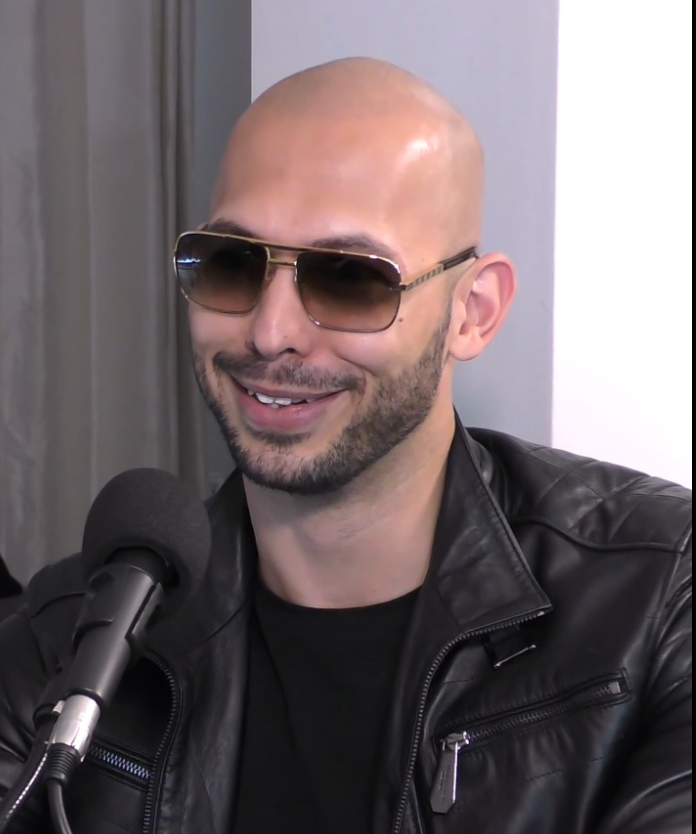
Andrew Tate Sparks Backlash After Controversial Comments on Business and Race
Kickboxer-turned-internet personality Andrew Tate has once again ignited intense debate across social media after sharing a controversial account of his experiences discussing business with what he described as a “certain” group of people, comments many users have interpreted as racially charged and offensive. The remarks, posted on his verified X
Kickboxer-turned-internet personality Andrew Tate has once again ignited intense debate across social media after sharing a controversial account of his experiences discussing business with what he described as a “certain” group of people, comments many users have interpreted as racially charged and offensive. The remarks, posted on his verified X account late Monday night, quickly spread across platforms, drawing sharp criticism, support from loyal followers, and renewed conversations about accountability, prejudice, and the influence of high-profile online figures.
In the post, Tate claimed that some people who approach him for business discussions are “not serious,” alleging that they initiate conversations enthusiastically but fail to respond for several days after he agrees to talk. According to him, this pattern signals a lack of professionalism and makes him uninterested in pursuing collaborations. While complaints about delayed responses in business are not uncommon in entrepreneurial spaces, the backlash stemmed from Tate explicitly tying this behavior to a racial group, a framing that many critics say crossed a line from personal frustration into stereotyping.
The tweet, which amassed hundreds of thousands of views within hours, was quickly amplified by popular Nigerian blog Instablog9ja and other entertainment and news pages, ensuring it reached a global audience. Screenshots circulated widely, prompting reactions from celebrities, entrepreneurs, activists, and everyday users who weighed in on whether Tate’s comments reflected a genuine business grievance poorly expressed or an example of discriminatory thinking presented as blunt “truth-telling.”
For many critics, the issue was not the complaint about unreturned messages but the generalization attached to it. Social media users argued that delayed replies are a universal problem in business dealings, cutting across race, nationality, and industry. Several pointed out that Tate himself is known for provocative language designed to attract attention, suggesting the post was less about improving business etiquette and more about fueling controversy to remain relevant online. Others accused him of reinforcing harmful stereotypes that can negatively impact how people from marginalized communities are perceived in professional settings.
Entrepreneurs and business coaches joined the discussion, noting that professionalism is shaped by many factors, including time zones, gatekeepers, assistants managing inboxes, and differing communication cultures. Some stressed that high-profile individuals often receive thousands of messages daily, making delays inevitable, and that mutual patience is essential for serious negotiations. They warned that framing such delays as a racial trait can discourage inclusive business relationships and undermine trust.
Despite the criticism, Tate’s supporters rushed to his defense, arguing that he was simply sharing his personal experience and that people should be free to speak honestly about patterns they observe. They claimed his words were being taken out of context and that he was highlighting a common issue of unserious inquiries rather than attacking anyone based on identity. This defense, however, did little to calm the backlash, as opponents countered that influential figures must be more careful with how they frame their experiences, especially when millions of followers are listening.
The controversy fits a familiar pattern in Andrew Tate’s public life. Over the past few years, he has built a massive online following by blending motivational content, luxury imagery, and provocative opinions on gender roles, success, and power. While this approach has made him one of the most talked-about internet personalities of his era, it has also kept him at the center of repeated storms over alleged misogyny, hate speech, and misinformation. Each new controversy tends to reinforce his polarizing brand, with critics calling for deplatforming and fans praising his refusal to be “politically correct.”
In Nigeria and other parts of Africa, where Tate has a significant audience, reactions were particularly intense. Many users expressed disappointment that a figure with such reach would make statements they felt disrespected an entire community. Some argued that comments like Tate’s overlook the structural challenges many entrepreneurs face, including limited access to capital, unreliable internet, and competing economic pressures, which can affect response times and business communication. Others used the moment to highlight successful Black-owned businesses worldwide as proof that seriousness and professionalism are not tied to race.
Media analysts observing the situation noted how quickly inflammatory statements can dominate online discourse, often overshadowing more substantive conversations about business ethics and communication. They pointed out that controversy-driven engagement is a powerful tool in the attention economy, rewarding posts that provoke outrage with visibility and monetization opportunities. In that sense, Tate’s comments, whether intentional or not, achieved their likely outcome: widespread attention and renewed relevance.
As of the time of writing, Andrew Tate has not issued an apology or clarification beyond the original post. His silence has further fueled speculation, with some expecting a follow-up doubling down on his stance, while others anticipate a reframing of his comments as misunderstood. Platforms hosting the viral screenshots have continued to rack up likes, shares, and heated comment threads, suggesting the debate is far from over.
The episode serves as another reminder of the responsibilities that come with influence in the digital age. When personal anecdotes are presented without nuance and tied to broad identities, they can quickly morph into narratives that harm more than they inform. Whether Tate intended to provoke or simply vent frustration, the reaction underscores a growing demand for public figures to balance honesty with fairness, especially in conversations that touch on race and opportunity.
For now, the controversy remains a trending topic, emblematic of the wider cultural clashes playing out daily on social media, where freedom of expression, accountability, and the quest for viral attention often collide. As audiences continue to debate the meaning and impact of Tate’s words, one thing is clear: in today’s online world, how a message is framed can matter just as much as the message itself.
Share this post
Related Posts
“Normalize Praying”: Lateef Adedimeji’s Viral Reflection on Aura, Purpose, and the Things Money Can’t Buy
Popular Nollywood actor Adedimeji Lateef has sparked a wave of reflection and conversation online after...

“Power Met Principle: The Soldier Who Silenced Wike With Integrity”- journalist rufai oseni
In a viral moment that has captured the attention of Nigerians everywhere, a brief exchange...
‘That Sh*t Trash’: 6ix9ine’s Fufu Comment Ignites Cultural Food Debate Online
American rapper 6ix9ine has once again found himself at the center of online controversy, this...