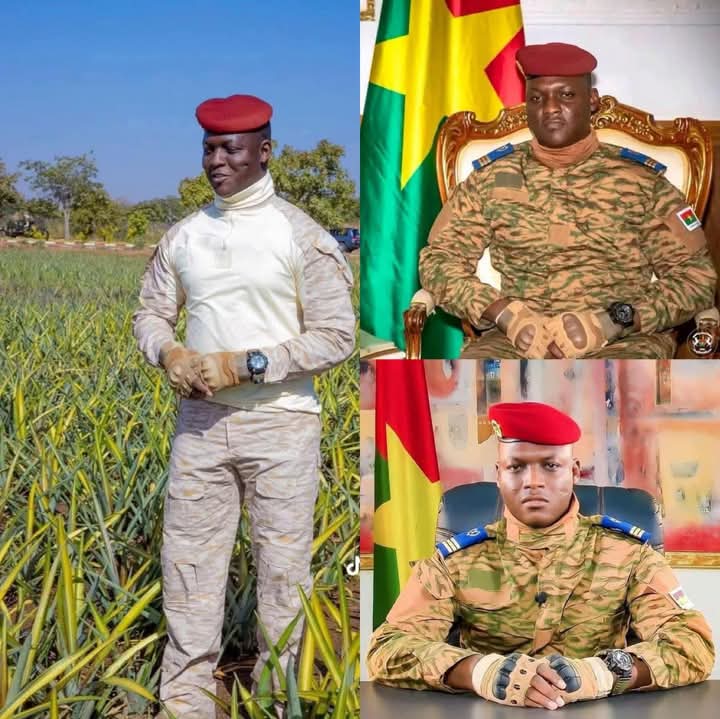
Burkina Faso Declares Free Education for All: President Ibrahim Traoré\'s Bold Move
In a historic and transformative decision, Burkina Faso’s President, Ibrahim Traoré, has officially declared education free for all citizens of the West African nation.Speaking in a national address, President Traoré emphasized that education is a fundamental necessity and should not be a privilege for a select few.His announcement marks a
In a historic and transformative decision, Burkina Faso’s President, Ibrahim Traoré, has officially declared education free for all citizens of the West African nation.
Speaking in a national address, President Traoré emphasized that education is a fundamental necessity and should not be a privilege for a select few.
His announcement marks a significant shift in the country’s education policy, opening the doors of learning to children from all backgrounds, regardless of their financial situation.
The president’s declaration comes at a time when Burkina Faso, like many other African nations, is striving to improve literacy rates and expand access to quality education.
With this new policy, families struggling to afford school fees for their children can now breathe a sigh of relief, knowing that their children’s education is secured.
Additionally, in a move aimed at ensuring young learners have the necessary resources, Traoré has also promised that primary school children will receive free textbooks.
This initiative seeks to remove one of the major barriers to education in the country, as many families often find it difficult to purchase textbooks, leading to limited access to learning materials.
President Traoré\'s decision has been met with widespread support across Burkina Faso, with parents, teachers, and education advocates hailing the move as a game-changer for the nation’s future.
For years, access to education in Burkina Faso has been hindered by financial constraints, with many children forced to drop out of school due to an inability to pay tuition fees or buy learning materials.
By making education free at all levels, the government aims to eliminate these barriers and create a more inclusive learning environment for all citizens.
Burkina Faso’s literacy rate has historically lagged behind global standards, with many children, particularly in rural areas, unable to complete their primary education.
Experts believe that this new policy will help reverse this trend and significantly boost school enrollment across the country.
In the past, many young Burkinabè have been forced into child labor or early marriages due to financial struggles, depriving them of the opportunity to receive an education.
With free education now guaranteed, children will have a greater chance to focus on their studies and build a better future for themselves and their families.
The provision of free textbooks for primary school students is another crucial aspect of this policy, as it ensures that children have the necessary tools to succeed academically.
A lack of access to learning materials has long been a challenge in Burkina Faso’s education sector, often resulting in students sharing books or relying on outdated materials.
By addressing this issue, the government is demonstrating a commitment to quality education, ensuring that students are not only attending school but also receiving the resources needed to excel.
The announcement has sparked discussions on how the government plans to finance this ambitious initiative.
While some skeptics have questioned the sustainability of free education, government officials have reassured the public that funds will be allocated from national resources and international partnerships to support the program.
Educational reforms of this magnitude require substantial investment, but analysts argue that the long-term benefits of a well-educated population outweigh the financial burden.
Countries that have implemented free education policies have seen significant improvements in literacy rates, economic growth, and social development.
By prioritizing education, Burkina Faso is positioning itself for a future driven by skilled professionals, entrepreneurs, and innovators.
Parents across the nation have expressed their gratitude for this initiative, many of whom have struggled for years to keep their children in school.
For single mothers, low-income families, and rural communities, this decision brings hope and a renewed sense of opportunity.
The move also places pressure on the government to ensure that schools are adequately equipped to handle the expected surge in enrollment.
With more children now set to attend school, there will be a greater demand for teachers, classrooms, and learning materials.
Education experts have called on the government to invest in teacher training programs, school infrastructure, and digital learning tools to enhance the quality of education.
President Traoré’s commitment to free education aligns with global efforts to promote access to learning as a fundamental human right.
International organizations such as UNESCO and UNICEF have long advocated for free and quality education as a means to break the cycle of poverty and drive national development.
Burkina Faso’s decision could serve as an inspiration for other nations facing similar challenges, encouraging them to prioritize education as a cornerstone of national progress.
The impact of this policy will likely be felt for generations, as children who might have otherwise been denied an education will now have the chance to complete their studies and contribute to the nation’s workforce.
The private sector is also expected to play a role in supporting this initiative, with businesses and NGOs likely to step in and provide additional resources such as scholarships, infrastructure support, and technological advancements.
While the road ahead may present challenges, the commitment to free education is a monumental step in the right direction for Burkina Faso.
It represents a bold vision for the future, where no child is left behind due to financial constraints.
As the country embarks on this new educational journey, all eyes will be on the implementation process to ensure that the promise of free education translates into tangible results for students across Burkina Faso.
For now, the message from President Ibrahim Traoré is clear—education is a right, not a privilege, and every c
hild deserves the chance to learn, grow, and build a brighter future.
Share this post
Related Posts
Vatican Library Opens Prayer Room for Muslim Scholars, Marking Historic Step in Interfaith Inclusivity
In a move hailed as one of the most symbolic gestures of interfaith respect in...
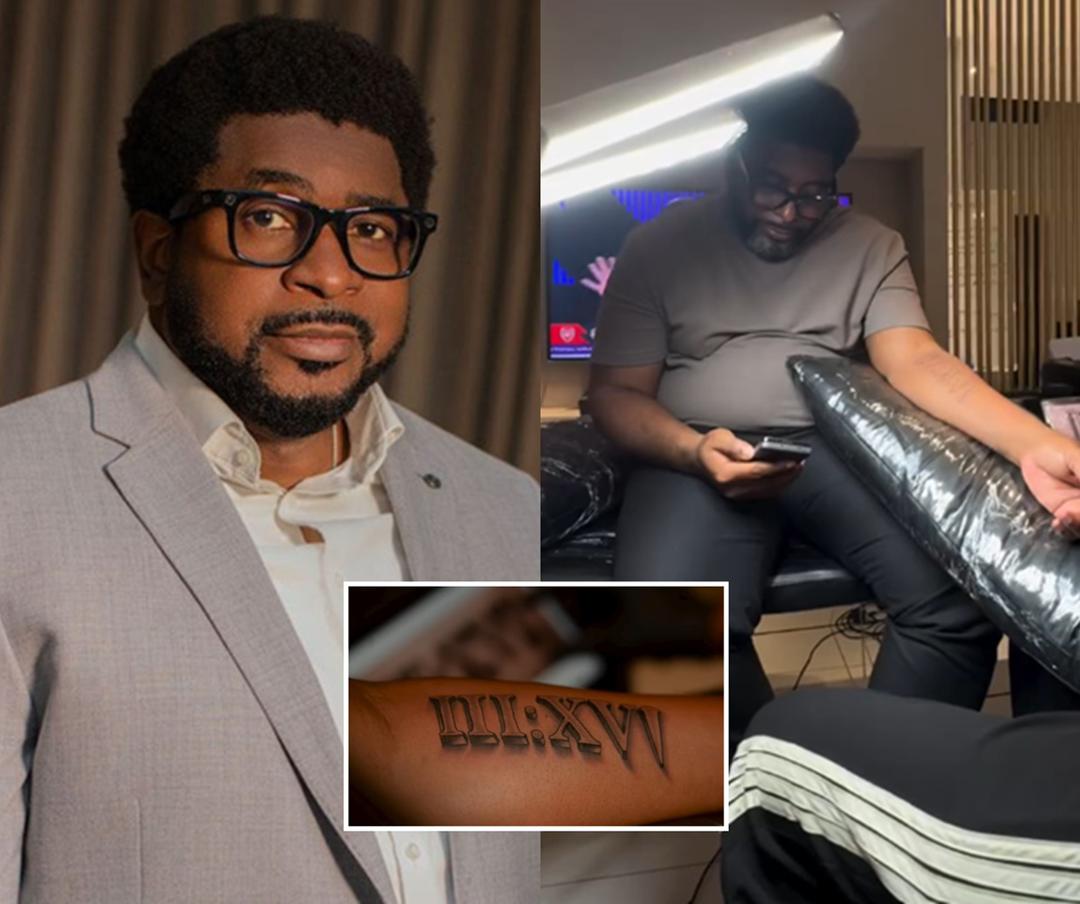
“Ink and the Pulpit: Pastor Kingsley Okonkwo Sparks Debate After Declaring There’s No Scripture Against Tattoos
Pastor Kingsley Okonkwo has once again ignited conversation across Nigeria’s Christian community and social media...
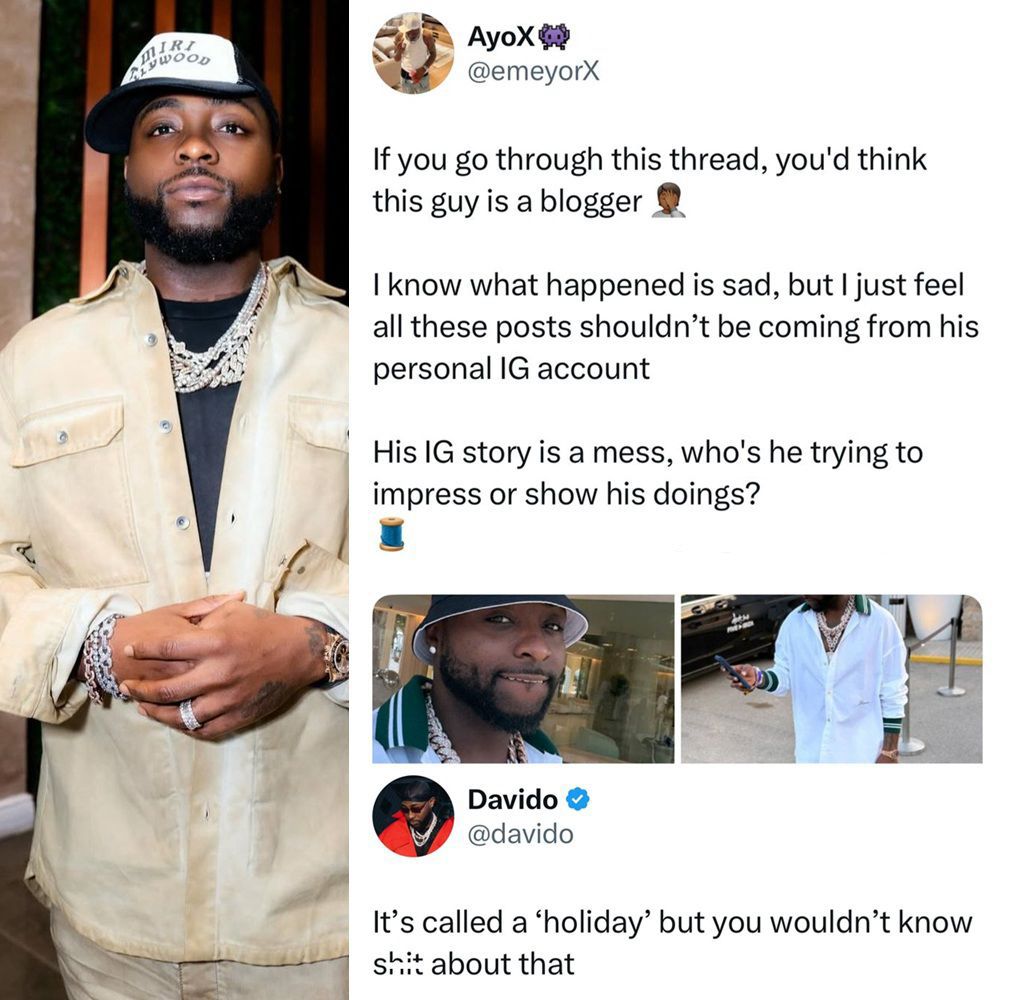
“It’s Called a Holiday”: Davido’s Fiery Clapback Silences Critic Who Slammed His Social Media Posts
Nigerian megastar David Adeleke, widely known as Davido, has once again proven that he’s never...