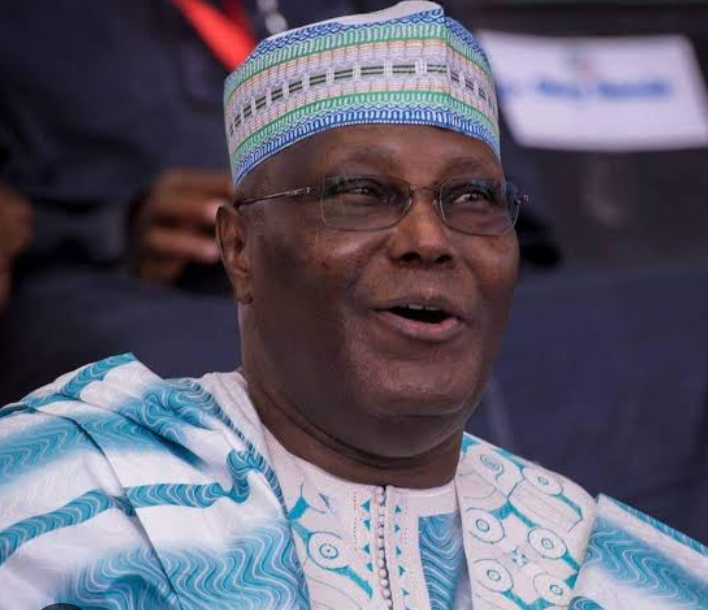
“Family Choices, Political Lines: Atiku Abubakar Breaks Silence as Son Joins APC”
Former Vice President Atiku Abubakar has addressed public reactions following the decision of his son, Abba Abubakar, to join the ruling All Progressives Congress, making it clear that the move was a personal choice and not one that alters his own political convictions or long-held criticism of the party in
Former Vice President Atiku Abubakar has addressed public reactions following the decision of his son, Abba Abubakar, to join the ruling All Progressives Congress, making it clear that the move was a personal choice and not one that alters his own political convictions or long-held criticism of the party in power. In a statement shared on X, Atiku struck a calm but firm tone, emphasizing democratic freedom, personal conscience, and what he described as the more pressing issue of poor governance and widespread hardship under the APC-led federal government.
Atiku’s response came amid intense public debate, with many Nigerians interpreting Abba Abubakar’s defection as politically symbolic, given Atiku’s status as a leading opposition figure and former presidential candidate of the Peoples Democratic Party. In Nigerian politics, where party loyalty is often expected to run deep within families, such developments frequently attract speculation about behind-the-scenes realignments or future political strategies. Atiku, however, moved quickly to shut down such assumptions.
“The decision of my son, Abba Abubakar, to join the APC is entirely personal,” he stated, underscoring that political choices within a democracy are not only individual rights but also normal occurrences, even when family ties intersect with public life. By framing the situation this way, Atiku appeared keen to separate private family decisions from his public political stance, a distinction that is often blurred in Nigeria’s highly personalized political environment.
He went further to reinforce his democratic credentials, saying he does not coerce his children in matters of conscience and would never coerce Nigerians. The remark resonated with supporters who have long viewed Atiku as a proponent of liberal democratic values, particularly freedom of association and political expression. It also served as a subtle rebuttal to critics who argue that political godfathers in Nigeria routinely impose decisions on both family members and followers.
While acknowledging his son’s choice, Atiku redirected attention to what he described as the real issue confronting the nation: governance. According to him, the APC’s record remains deeply troubling, marked by economic distress and social hardship that have weighed heavily on ordinary Nigerians. Inflation, unemployment, insecurity, and declining purchasing power continue to dominate public discourse, and Atiku’s statement tapped directly into these concerns.
“What truly concerns me is the poor governance of the APC and the severe economic and social hardships it has imposed on our people,” he wrote. This line reflects a consistent theme in Atiku’s political messaging over the years, positioning himself and the opposition as voices for economic reform, restructuring, and policies aimed at easing the burden on citizens. By highlighting hardship rather than family politics, Atiku sought to reframe the conversation toward national issues rather than personal narratives.
Political analysts note that Atiku’s response was carefully calibrated. Rather than attacking his son or the APC over the defection, he chose a tone of tolerance while maintaining a sharp critique of the ruling party’s performance. This approach may appeal to voters who are fatigued by political bitterness and are more interested in solutions to everyday problems than in partisan drama.
The statement also comes at a time when party defections have become commonplace in Nigeria, with politicians frequently crossing party lines in pursuit of relevance, protection, or opportunity. While Abba Abubakar is not as politically prominent as his father, his move nonetheless carried symbolic weight, especially on social media where reactions ranged from mockery to concern to outright dismissal. Atiku’s insistence that such choices are “neither unusual nor alarming” can be seen as an attempt to normalize political diversity within families and reduce the sensationalism surrounding defections.
Beyond defending democratic choice, Atiku reaffirmed his commitment to opposition politics and his determination to work with what he called “like-minded patriots” to restore good governance. This phrase suggests ongoing efforts to build coalitions, strengthen opposition platforms, and present Nigerians with an alternative vision for leadership. It also signals that despite electoral setbacks and shifting political alliances, Atiku does not intend to retreat from the national political stage.
His reference to “relief, hope, and progress” echoes language commonly used by opposition figures seeking to tap into public frustration and desire for change. For many Nigerians grappling with rising living costs and limited opportunities, such words carry emotional weight, even as skepticism remains high due to years of unfulfilled promises across party lines.
Supporters of Atiku have largely welcomed his statement, praising what they see as maturity, democratic consistency, and focus on substance over spectacle. Some have argued that his response contrasts with a political culture that often treats dissent or differing choices as betrayal, particularly within influential families. Critics, however, remain unconvinced, with some suggesting that family defections can still signal deeper political shifts, regardless of public explanations.
Ultimately, Atiku Abubakar’s message appears designed to draw a clear boundary between personal freedom and political responsibility. By refusing to disown his son or dramatize the defection, he avoided escalating the issue. By simultaneously restating his opposition to the APC’s governance record, he reaffirmed his political identity and priorities.
As Nigeria’s political landscape continues to evolve, moments like this highlight the complex interplay between personal relationships and public power. For Atiku, the challenge is to keep national focus on governance, accountability, and economic recovery, rather than on family decisions that, as he insists, should remain matters of personal conscience. Whether Nigerians accept this framing or continue to read deeper meaning into such moves, the former vice president has made his position unmistakably clear: democratic choice must be respected, but poor governance must also be confronted.
Share this post
Related Posts
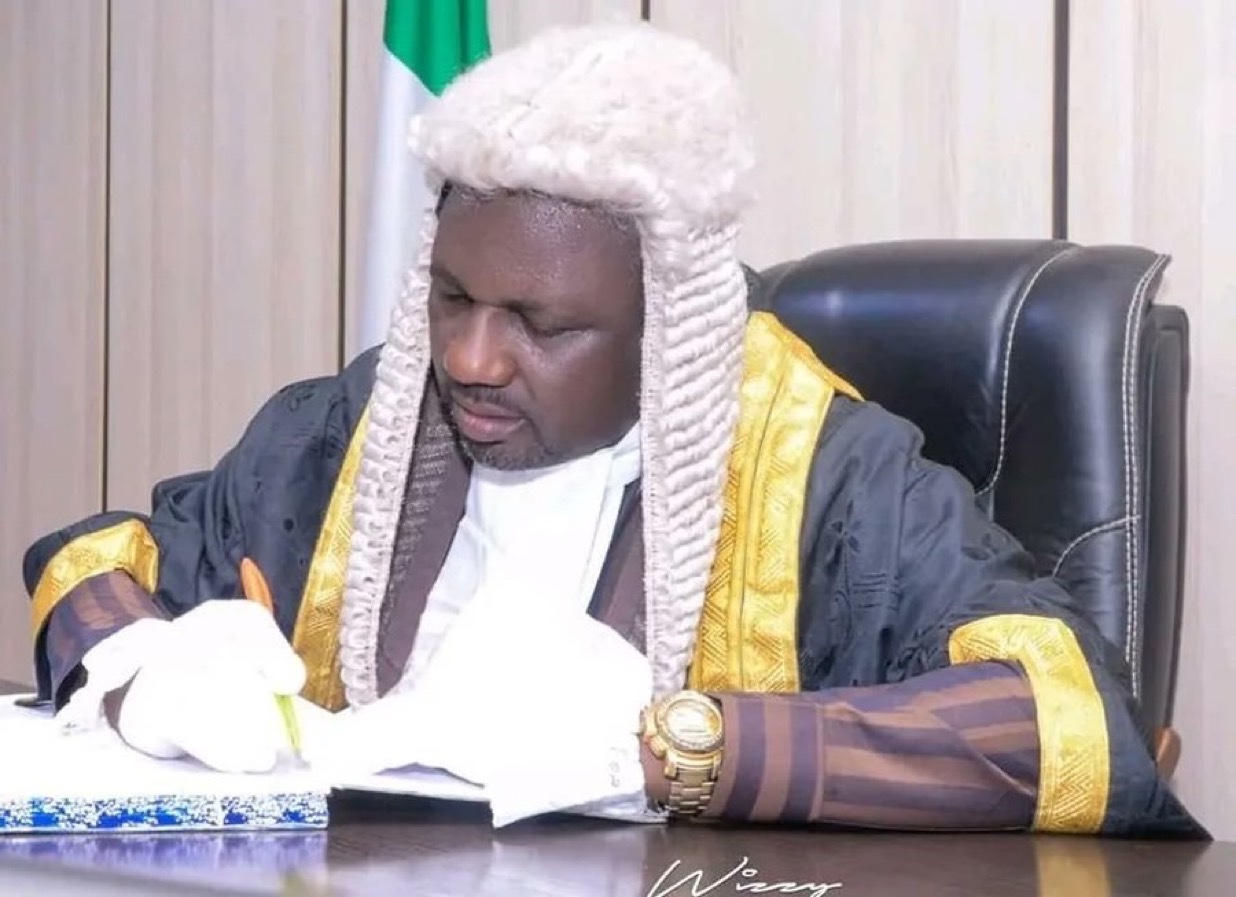
Shockwaves in Benue Politics as Speaker Hyacinth Dajoh Abruptly Resigns Just 48 Hours After Suspending Four Lawmakers
In a dramatic twist that has left the Benue State political landscape reeling, Speaker of...

Lagos Faces Alarming Healthcare Crisis as Doctor Shortage Worsens
Lagos State is dealing with a severe shortage of medical personnel, with only 8,200 doctors...

From Reality TV Queen to Academic Achiever: Mercy Eke Bags MBA from University of Sunderland
Former Big Brother Naija winner and entrepreneur Mercy Eke has added another remarkable achievement to...