FG Disburses ₦330 Billion to Nigerians Amid Rising Skepticism Over Transparency
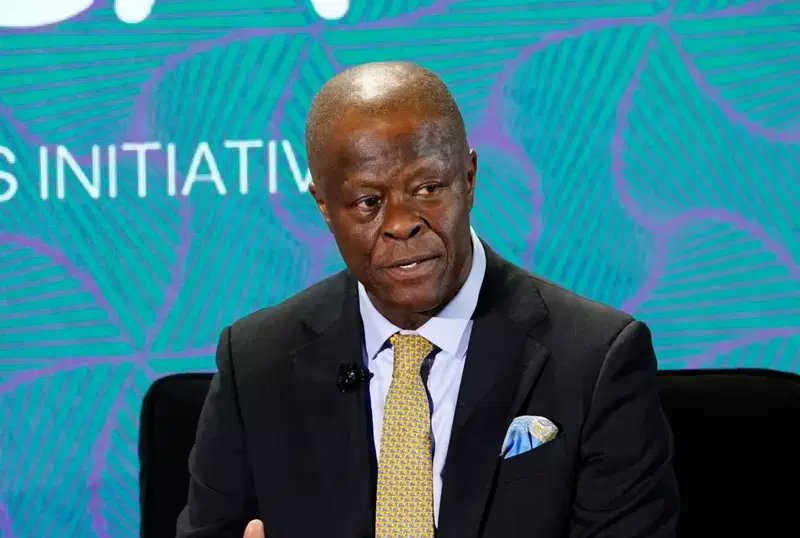
The Federal Government has announced the disbursement of ₦330 billion (about $210 million USD) in cash transfers to poor Nigerians, a sweeping measure rolled out under Finance Minister Wale Edun, who was appointed in 2023 to steady a nation battered by subsidy removal, galloping inflation, and rising poverty.According to the
The Federal Government has announced the disbursement of ₦330 billion (about $210 million USD) in cash transfers to poor Nigerians, a sweeping measure rolled out under Finance Minister Wale Edun, who was appointed in 2023 to steady a nation battered by subsidy removal, galloping inflation, and rising poverty.
According to the ministry, between 8.1 and 8.5 million households are targeted in this round of disbursements, part of a social protection scheme backed by a World Bank loan. Officials insist the funds—delivered via a biometric NIN-based payment system—will cushion vulnerable citizens against the harsh effects of reform, especially the removal of fuel subsidies that tripled petrol prices and rippled through every sector of the economy.
Yet, even as the announcement broke, skepticism flooded social media platform X. Critics pointed to a 2021 World Bank study which revealed that historically, only 30% of Nigeria’s social safety net funds reached the intended beneficiaries. Corruption, poor data, and weak oversight have long plagued intervention schemes, raising doubts over whether this latest transfer is a lifeline for the poor or just another chapter in a cycle of mismanagement.
The timing is critical. Nigeria’s inflation, though recently easing to 20.12% in August 2025 from 21.88% the previous month (Reuters data), still leaves ordinary households gasping. Food prices remain punishing, pushing millions into deeper hardship despite marginal improvements in official figures. Analysts warn that without structural reforms to stabilize the naira and lower food import costs, direct cash transfers may serve only as a temporary buffer, not a solution.
Edun, however, insists this is a new era of accountability, citing the biometric NIN-linked system as a safeguard against ghost beneficiaries and leakages. But with memories of failed schemes still fresh, Nigerians are watching closely. For many, the true test lies not in the government’s press statements, but in whether the poorest families actually feel the relief in their hands—or if the ₦330 billion disappears into the cracks of bureaucracy once again.
Share this post
Related Posts

Air Peace Aircraft Grounded After Antelope Collision on Abuja Runway: A Wake-Up Call for Wildlife Safety
On May 11, 2025, a startling incident unfolded at Nnamdi Azikiwe International Airport in Abuja,...

“Three Wives, Two Kids and One on the Way” – Shatta Bandle Stirs Reactions With Shocking Revelation
Ghanaian socialite and internet sensation Shatta Bandle has once again left fans and critics buzzing...

Governor Douye Diri Defects to APC with 23 Lawmakers, Deepening PDP Collapse in the South-South
In a stunning political realignment, Bayelsa State Governor Douye Diri has officially defected from the...