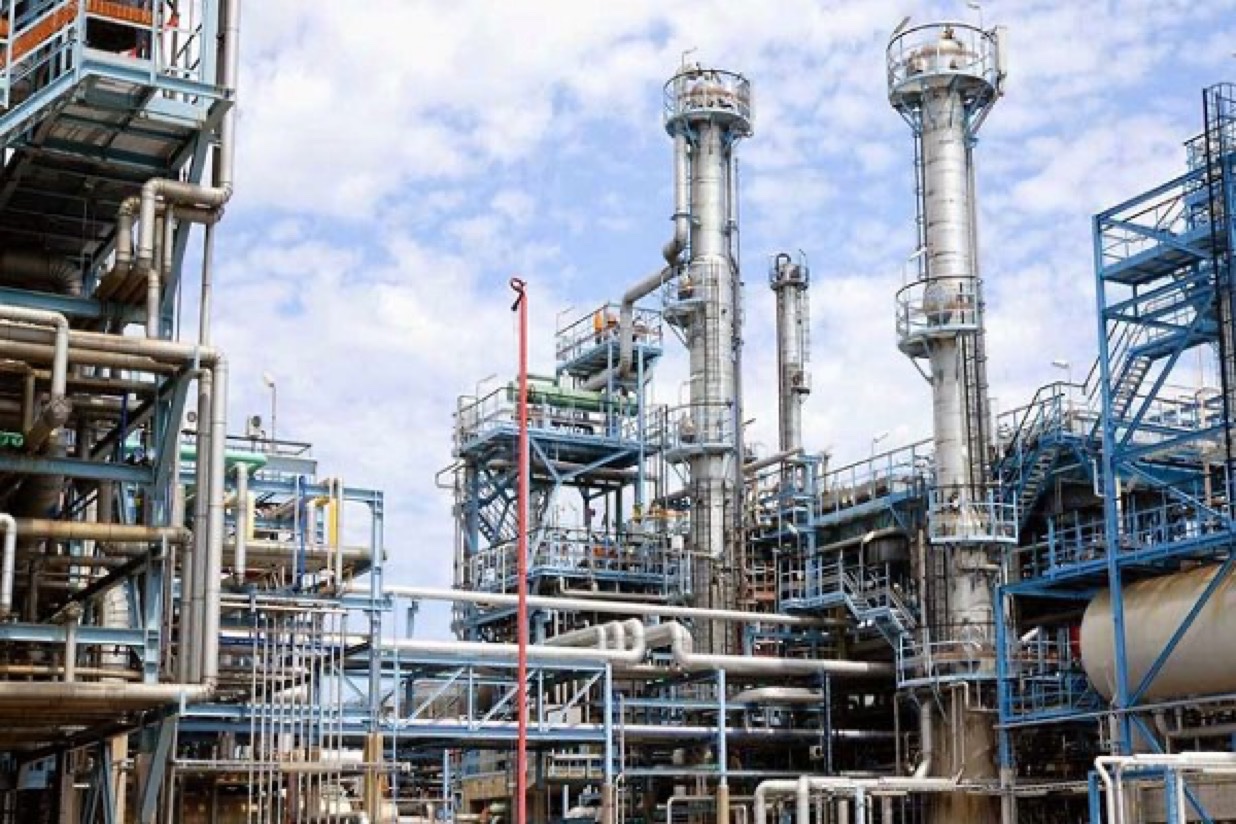
JUST IN: Port Harcourt Refinery Shuts Down for Maintenance, NNPC Confirms
In a move that has caught many industry observers by surprise, the Nigerian National Petroleum Company (NNPC) Limited has announced the temporary shutdown of the Port Harcourt Refinery for what it describes as a “critical maintenance operation.” This development, confirmed earlier today, has sparked fresh conversations around Nigeria’s ongoing struggle
In a move that has caught many industry observers by surprise, the Nigerian National Petroleum Company (NNPC) Limited has announced the temporary shutdown of the Port Harcourt Refinery for what it describes as a “critical maintenance operation.” This development, confirmed earlier today, has sparked fresh conversations around Nigeria’s ongoing struggle to revitalize its local refining capacity and the broader implications for fuel supply stability in the country.
The Port Harcourt Refinery, one of Nigeria’s key oil processing facilities, had only recently begun phased operations following years of inactivity and costly rehabilitation efforts. The NNPC, in a brief but pointed statement released this morning, cited the need for scheduled maintenance work aimed at ensuring the refinery’s “sustained optimal performance” and preventing unexpected breakdowns. However, the announcement is already fueling speculation over deeper technical issues that may be delaying the facility’s full return to production.
Sources within the NNPC, speaking on condition of anonymity, disclosed that the shutdown became necessary after routine inspection checks revealed signs of wear and anomalies in critical components of the processing units. These findings reportedly prompted the company to make a quick call on halting operations to prevent long-term damage, which could result in even more extensive downtime if left unattended.
While NNPC officials are working to downplay fears of a fuel supply crisis, questions are already mounting about the timing and transparency of this latest development. The shutdown comes mere months after the federal government celebrated the refinery’s initial restart, which was presented as a turning point in Nigeria’s decades-long dependency on imported refined petroleum products. The maintenance exercise, according to NNPC, will be “short-term,” although no precise timeline has been given for when the facility will resume operations.
The sudden nature of the announcement has triggered renewed concerns from industry stakeholders and consumer advocacy groups alike. The Port Harcourt Refinery is a strategic asset in the country’s energy architecture, and its ability to consistently produce petroleum products is critical to NNPC’s goal of reducing import bills and enhancing domestic supply. With the refinery offline, albeit temporarily, attention now turns to the country’s already strained downstream supply chain and the potential ripple effects on fuel availability, pricing, and logistics.
On the streets of Port Harcourt, reactions have been mixed. Some residents expressed frustration over the uncertainty, particularly after repeated assurances from government officials that the refinery was finally back on track. “We waited for years for this refinery to come back, and now they are saying maintenance again?” said Boma O., a local fuel station operator. “We just want a system that works.”
Economists and policy analysts are also weighing in, warning that such unplanned—or at least undisclosed—interruptions could undermine investor confidence in Nigeria’s petroleum sector. The Port Harcourt Refinery rehabilitation project has been the centerpiece of a broader push to resuscitate the country’s ailing refining infrastructure, which includes the Warri and Kaduna refineries. Billions of dollars have been allocated over the years to repair and modernize these plants, yet delays, cost overruns, and operational setbacks remain a constant theme.
International observers have taken note as well. Nigeria, Africa’s largest oil producer, ironically remains one of the continent’s biggest importers of refined products—a paradox that has drawn criticism from various quarters. The temporary halt at Port Harcourt is likely to reignite that conversation, especially at a time when global oil prices are fluctuating and energy security is a growing concern worldwide.
The NNPC has urged the public to remain calm, stating that contingency plans are in place to ensure that the supply of petroleum products is not disrupted. According to the company, national reserves are currently sufficient to cushion the temporary shutdown, and import agreements will be leveraged where necessary to maintain supply equilibrium. However, skeptics argue that the Nigerian fuel market is notoriously volatile, and even minor disruptions can quickly snowball into scarcity, panic buying, and inflated prices.
For many Nigerians, today’s announcement is a painful reminder of the systemic challenges plaguing the oil and gas sector. Despite its vast crude oil resources, the country has struggled to translate this natural wealth into consistent and affordable energy for its citizens. Failed policies, corruption, mismanagement, and technical inefficiencies have hampered progress, and even high-profile reforms often fall short of delivering the promised change.
The hope had been that a fully operational Port Harcourt Refinery would mark a new era—one in which Nigeria could gradually reduce its dependence on fuel imports and restore public trust in its domestic energy sector. While the NNPC insists that the current maintenance work is part of a standard operating procedure, the optics of the situation suggest otherwise. In the absence of clear timelines and detailed technical updates, many Nigerians are left with more questions than answers.
Adding another layer of complexity to the situation is the yet-to-be-fully-commissioned Dangote Refinery in Lagos, which has been touted as the long-term solution to Nigeria’s refining woes. As the mega-facility inches closer to commercial production, there had been expectations that it would reduce pressure on state-run refineries. However, with Port Harcourt offline, at least temporarily, there will be added scrutiny on how quickly the Dangote Refinery can fill the gap and stabilize the market.
For now, all eyes are on the NNPC as the nation waits for more clarity on the duration of the shutdown and the precise nature of the maintenance work being carried out. In a sector where transparency has often been elusive, the need for honest communication and effective crisis management has never been more critical. Nigerians are watching closely, hoping that this setback will indeed be short-lived and that the long-promised turnaround of the country’s refining sector does not remain an ever-moving target.
Share this post
Related Posts

“I’ve Carried This Alone for Five Years” – Sophia Momodu Breaks Her Silence as Online Narratives Target Daughter, Imade
In a powerful and emotionally charged statement that has sent shockwaves across social media, Sophia...

FG Moves to Stall Justice as It Seeks Appeal Against Court Order Reopening Dele Giwa Murder Case
The Federal Government has taken a fresh legal step that is already stirring public debate,...

“I Started the Marriage Feeling Like I Was Less Than” – Nicole Chikwe Opens Up About Public Scrutiny Over Her Relationship With Naeto C
In a candid and emotional revelation that has sparked conversations across social media, Nicole Chikwe,...