Sahel Intelligence Threatens to Expose Nigerian Politicians Amid Rising Regional Tensions
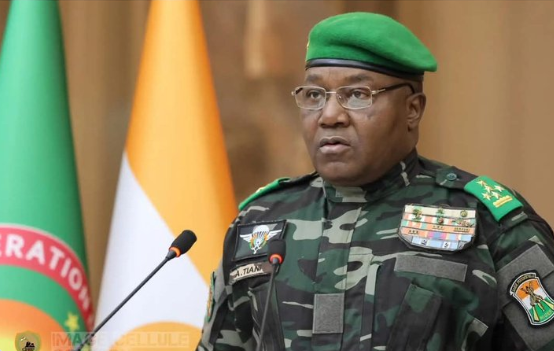
A new geopolitical flashpoint is emerging in West Africa as intelligence agencies from Niger, Mali, and Burkina Faso — the three members of the Alliance of Sahel States (AES) — are reportedly preparing to release damning evidence against unnamed Nigerian politicians. The claims, if substantiated, could reshape the narrative of
A new geopolitical flashpoint is emerging in West Africa as intelligence agencies from Niger, Mali, and Burkina Faso — the three members of the Alliance of Sahel States (AES) — are reportedly preparing to release damning evidence against unnamed Nigerian politicians. The claims, if substantiated, could reshape the narrative of Nigeria’s northwest insecurity and inflame already fragile regional relations.
The AES, formed in 2023 after the three nations broke from ECOWAS and expelled Western military allies, has aligned itself increasingly with Russian mercenary forces. This strategic shift has emboldened their role in regional security, especially as Nigeria struggles with a relentless banditry crisis in its northwest. By positioning themselves as both accusers and enforcers, AES states could use intelligence leaks to pressure Abuja while simultaneously justifying their own political realignment.
Nigeria’s northwest has been scarred by years of violence. Armed groups, including factions once led by notorious warlord Ali Kawaje—killed in early 2025—have displaced more than 247,000 people and razed at least 120 villages, according to humanitarian trackers. Beyond their criminal activity, intercepted U.S. intelligence calls dating back to 2021 hinted at links between some bandit groups and jihadist outfits like ISWAP, blurring the line between organized crime and terrorism. If AES intelligence connects Nigerian politicians to such actors, it could trigger a storm of domestic and international fallout.
Security analyst Zagazola Makama, a respected voice in counter-insurgency reporting, has lent weight to the possibility of credible revelations. Yet, experts caution that AES motivations must be scrutinized carefully. Having turned their backs on ECOWAS and Western support, Niger, Mali, and Burkina Faso may be leveraging intelligence as a tool of political warfare, weaponizing information to destabilize Nigeria’s internal politics or gain leverage in regional disputes.
The timing is delicate. Nigeria’s federal government is under pressure to restore security and assert control ahead of the 2027 elections, while opposition figures are already framing insecurity as a failure of leadership. Any AES disclosures implicating politicians could therefore carry explosive electoral consequences, deepening distrust between citizens and the state.
For now, what remains unclear is whether AES agencies hold actionable intelligence or are merely stoking geopolitical theatre. Either way, the move underscores a stark reality: Nigeria’s internal crises are no longer confined within its borders but have become bargaining chips in West Africa’s shifting alliances.
Share this post
Related Posts

Lagos Rent Skyrockets: Laura Ikeji Raises Alarm as Business Premises Jump from N7m to Over N50m
Businesswoman and entrepreneur Laura Ikeji has taken to social media to express her growing frustration...

NYSC Breaks Silence: Why Corps Member Rita’s Certificate Was Withheld
The National Youth Service Corps (NYSC) has officially addressed the controversy surrounding Corps Member Ushie...

Erica Nlewedim Speaks Out: “Generosity Shouldn’t Be a Free Pass for Endless Requests”
BBNaija star Erica Nlewedim has once again opened up about the pressures of fame and...