Slang, Screenshots and Social Media Outrage: Online Sleuth Challenges Viral Assault Claim
A heated storm has erupted across social media platforms after a man publicly questioned the authenticity of a young woman’s distressing account in which she claimed she was sexually assaulted at home after refusing to give her phone number to a stranger. The case, which has gained nationwide attention, has
A heated storm has erupted across social media platforms after a man publicly questioned the authenticity of a young woman’s distressing account in which she claimed she was sexually assaulted at home after refusing to give her phone number to a stranger. The case, which has gained nationwide attention, has sparked a fierce debate over victim credibility, online scrutiny, and the dangers of drawing conclusions from viral content.
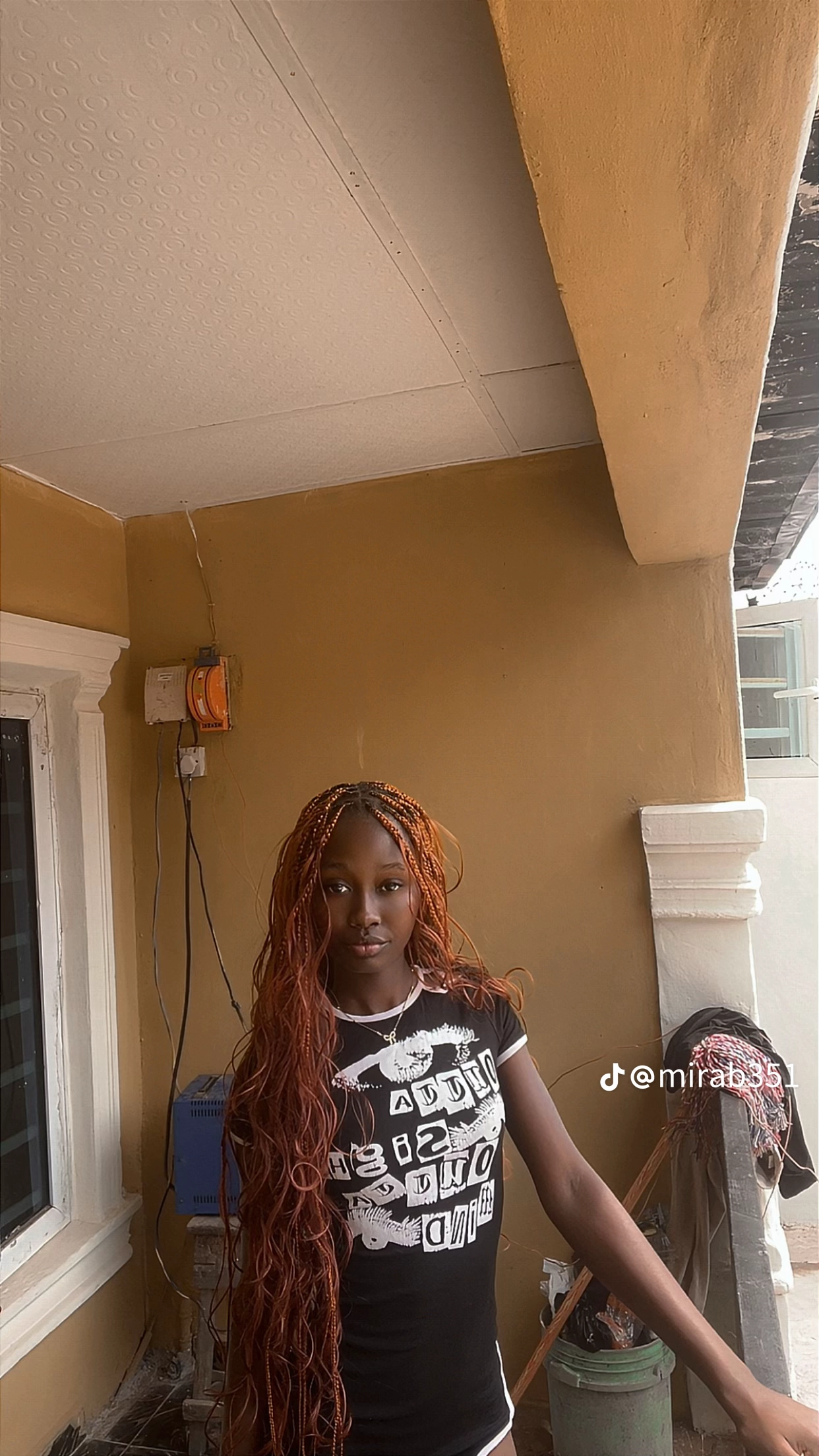
The controversy began when the young woman, known online as Mirabel, shared a series of posts describing the alleged incident. She recounted in detail how an unknown man reportedly forced his way into her home and assaulted her, posting screenshots of messages she said he sent her afterward. The posts quickly gained traction, attracting thousands of sympathetic followers and viewers who expressed outrage and demanded that authorities investigate and apprehend the alleged perpetrator. The hashtags associated with her story trended across platforms such as Twitter, TikTok, and Instagram, with social media users rallying behind her account and sharing her screenshots as evidence of the crime.
However, the narrative took a dramatic turn when a popular commentator, known as Olu Vlogs, released a side-by-side comparison claiming that the woman and her alleged attacker were using the same slang in their messages. In the viral post, Olu highlighted that the word “soo,” written with extra vowels — “soo” or “sooo” — appeared in both Mirabel’s social media captions and the messages she attributed to her attacker. He posed the question: “Is it coincidence that you and the rapist are using the same slang?” This post, which quickly went viral, suggested to many that the messages could have been fabricated or manipulated, sparking intense online debate.
The side-by-side screenshots show Mirabel’s post apologizing for delayed replies to her followers, in which she wrote: “I’m so sorry I can’t reply now… thanks soo much.” Meanwhile, the alleged messages from the attacker, as shared by Mirabel, repeatedly used “soo” in multiple sentences. The commentator argued that this similarity was too precise to be coincidental, implying that the posts may have been authored by the same person or artificially created.
The response from social media users was sharply divided. One group criticized Olu Vlogs for “victim-blaming” and for encouraging skepticism toward someone who claims to have been sexually assaulted. They argued that questioning the authenticity of a trauma survivor’s experience in such a public way could discourage victims from speaking out and put them at risk of further harm. Others applauded the commentator, asserting that viral claims need to be scrutinized, especially when screenshots circulate widely without corroborating evidence. They claimed that failing to question inconsistencies can damage public trust in genuine cases of assault.
Mirabel herself has not publicly responded to the specific accusation regarding the shared slang. Her statements, limited to broad denials, emphasized that the events and messages were real, and that she felt retraumatized by the doubts being cast on her account. While she acknowledged the overwhelming attention her posts had received, she did not break down the language similarity point or defend against that particular line of reasoning. Social media users continue to speculate whether she will address it directly, but at present, the conversation remains largely one-sided.
Linguists and digital communication experts note that stretching vowels in words, like “soo” or “sooo,” is extremely common among youth on social media in Nigeria. It is used to emphasize emotion or tone, and the practice is widespread enough that multiple people writing in casual online contexts can independently produce the same patterns. Experts emphasize that such superficial similarities, while visually striking, do not constitute strong evidence that two messages come from the same author. Instead, verification would require metadata analysis, timestamps, and device information.
The episode underscores a broader social issue: the challenges of handling sensitive sexual assault allegations in a digital-first culture. Nigeria has seen numerous cases where victims turn to social media to report crimes, seeking justice or attention when institutional mechanisms fail. While this approach can help raise awareness, it also exposes survivors to public scrutiny, trolling, and misrepresentation. Cases like Mirabel’s illustrate how quickly narratives can become polarized, with supporters and skeptics clashing over the authenticity of personal experiences.
Legal analysts warn that public disputes over unverified claims carry risks. If the allegation is genuine, online skepticism can retraumatize survivors and shield perpetrators. If false, circulating unverified accusations can damage reputations and potentially lead to defamation claims. In the absence of a formal police complaint or official verification, neither side can conclusively establish the facts, leaving the public debate mired in uncertainty.
Meanwhile, advocacy groups have stressed the importance of protecting survivors while promoting evidence-based discussion. They caution that dissecting minor details such as slang, spelling, or style can devolve into harassment, while ignoring patterns of fabricated claims entirely can undermine trust in real reports. They urge authorities to investigate and verify claims in formal channels rather than leaving conclusions to public opinion online.
As the story circulates, social media reactions continue to vary widely. Some users have deleted their posts to avoid amplifying possible misinformation, while others maintain that public scrutiny is necessary to prevent exploitation of viral attention. The case has also generated discussion about the ethics of online commentary, especially by influential figures with large audiences, whose framing can shape public perception before facts emerge.
The situation highlights the complexities of modern digital culture. Once a personal allegation enters social media, it rarely remains private or personal. It becomes content, controversy, and a community battleground. The search for truth, empathy, and justice can all collide in unpredictable ways, and individuals at the center can experience exposure and pressure far beyond their original intent.
For observers, the controversy surrounding the slang similarity and viral posts raises deeper questions about judgment in online spaces. How much weight should be given to superficial details in serious claims? How should digital audiences balance skepticism with empathy? And how can survivors maintain their voices amid viral attention and public critique? These questions remain unanswered, leaving the story unresolved but widely discussed.
As of now, the alleged attacker remains unidentified, no formal police confirmation has been issued, and Mirabel’s account remains the central source of information. Social media users continue to debate the case, with each new post, screenshot, or comment amplifying the stakes. Whether the accusations are verified or disproven in the future, the incident demonstrates the extraordinary power and peril of viral narratives, showing how quickly private trauma can become a national conversation and a test of digital discernment.
The controversy serves as a reminder of the responsibility social media users bear in handling sensitive topics. It underscores that viral attention, slang comparisons, and stylistic coincidences are insufficient to establish truth, yet they can have profound social consequences. Until more concrete evidence emerges, the public is left navigating a complex web of outrage, doubt, and empathy, reflecting the broader challenges of understanding and protecting survivors in the age of social media.
Share this post
Related Posts

From Son to Stranger: Wike’s Long Trail of Betrayals Unearthed by Niger Delta Statesman
In a stunning revelation that has ignited a firestorm across political and social circles in...
“Now They Say I’m Too Skinny”: Abimbola Craig Opens Up About the Irony of Her Weight Loss Journey
Nollywood actress and filmmaker Abimbola Craig has set social media abuzz with her candid revelation...
“You’ll Have to Beg Me to Come Back”: Cardi B’s Saudi Sojourn, a Viral JD Vance Comment, and the Internet Meltdown That Followed
Cardi B has never been one to whisper her feelings, and once again the Grammy-winning...