Stop Shunning Military Service, Nigerian Army Urges South-East Youths
In a direct appeal to the youth of Abia and other South-East states, the Nigerian Army has called on young Nigerians to embrace the opportunity of military service and contribute to national development. The call was made during an awareness campaign organized by the Department of Civil-Military Affairs in Umuahia
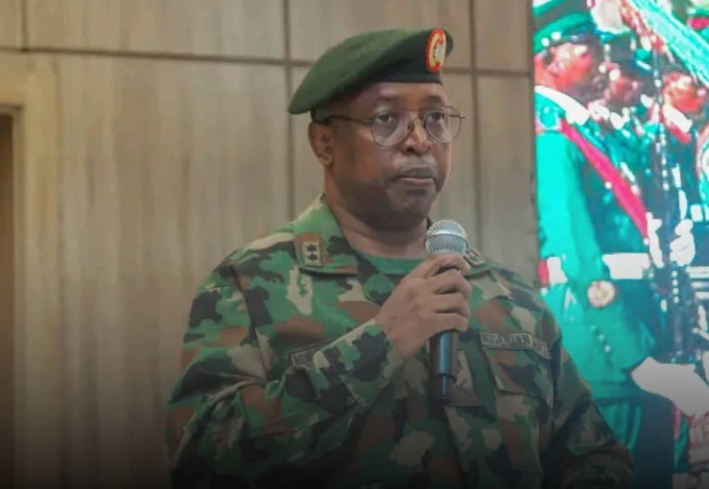
In a direct appeal to the youth of Abia and other South-East states, the Nigerian Army has called on young Nigerians to embrace the opportunity of military service and contribute to national development. The call was made during an awareness campaign organized by the Department of Civil-Military Affairs in Umuahia on Thursday, which brought together youths, traditional rulers, and representatives of civil society organizations to discuss the benefits of enlisting in the Army.
The Nigerian Army’s initiative comes amid growing concerns over low enlistment rates among South-East youths, with some citing fears of discrimination, limited career growth, or deployment to conflict zones as reasons for avoiding military service. Retired Major General Gold Chibuisi, who delivered a keynote lecture at the event, sought to dispel these misconceptions, stressing that the Army offers a wide array of career opportunities for ambitious young Nigerians.
Speaking to an attentive audience, Major General Chibuisi emphasized that military service is not only a noble calling but also a platform for professional development. He highlighted that the Nigerian Army provides openings for careers in medicine, law, engineering, administration, and numerous other fields. “The Nigerian Army is not just about combat,” he said. “It is a platform where young Nigerians can develop their skills, serve their nation, and achieve personal growth in multiple professional disciplines.”
Chibuisi also addressed widespread concerns regarding ethnic biases and preferential treatment within the Army. “There is no policy of ethnic profiling in the Nigerian Army,” he reassured the audience. “Every soldier, regardless of their state of origin, is valued equally, and deployment is based on operational requirements rather than ethnic background. Our commitment is to professionalism and fairness.”
This message comes at a time when some communities have expressed skepticism about the treatment of South-East personnel in the military. By directly confronting these fears, the Army hopes to foster trust and encourage more young people from the region to consider military careers. Chibuisi urged parents to support their children who wish to serve in the armed forces, reminding them that the Army ensures welfare, training, and promotion opportunities for all recruits.
The awareness campaign in Umuahia was designed to reach out to key stakeholders, including traditional rulers and civil society leaders, to reinforce the importance of community backing for military recruitment. According to organizers, community endorsement plays a vital role in encouraging youths to explore careers in national service, particularly in regions where enlistment has historically been low.
During the event, discussions highlighted the multifaceted nature of modern military service. The Nigerian Army is not solely focused on combat; it also undertakes medical outreach, disaster response, peacekeeping missions, infrastructure development, and professional training. Chibuisi pointed out that these roles provide not only a sense of purpose but also opportunities for skill acquisition and career advancement.
“The Army equips young Nigerians with skills that are highly transferable,” he explained. “Whether you want to become a doctor, an engineer, or a legal professional, military service provides training and exposure that can shape a rewarding career both within and outside the military.”
Another key aspect addressed was the welfare of soldiers. Retired Major General Chibuisi noted that contrary to popular belief, the Nigerian Army places a high premium on the well-being of its personnel. Housing, healthcare, education allowances, and competitive promotion structures are integral parts of the service experience. “We take care of our own. Every recruit, regardless of their origin, has equal access to the benefits and protections the Army provides,” he added.
The appeal also touched on the patriotic responsibility of youths in nation-building. With Nigeria facing various security challenges across the country, the Army emphasized the critical role young citizens can play in ensuring national stability. By joining the military, youths contribute to the protection of lives and property, the enforcement of law and order, and the promotion of peace within their communities.
Chibuisi’s lecture also tackled the myths surrounding danger and risk associated with military service. While acknowledging that military duties can involve deployment to areas of conflict, he reassured potential recruits that assignments are carefully managed, with safety protocols and support systems in place. “Every mission is planned with the welfare and safety of soldiers in mind. Serving your country does not mean exposing yourself recklessly to danger,” he said.
Feedback from the audience suggested that the initiative was timely and necessary. Many young people expressed interest in exploring recruitment options after hearing firsthand about the diverse career opportunities and support structures within the Army. Traditional rulers in attendance also pledged to advocate for greater youth participation, emphasizing the positive impact that military service can have on personal development and societal cohesion.
Civil society organizations echoed these sentiments, noting that engagement with the military can break down barriers of misinformation and mistrust. By providing transparent information about recruitment processes, career prospects, and welfare policies, the Nigerian Army aims to encourage more youths to take the first step toward national service.
The campaign in Umuahia is the first of a series planned across the South-East region. Officials hope that these outreach programs will not only boost recruitment but also strengthen the relationship between the Army and local communities. By fostering open dialogue, the military seeks to dispel fears, correct misconceptions, and showcase the benefits of service to both individuals and society at large.
As Nigeria continues to navigate complex security and development challenges, the Nigerian Army’s renewed focus on recruitment in underrepresented regions highlights the importance of inclusivity and national cohesion. By appealing directly to the youth, providing clarity on career opportunities, and addressing concerns about ethnic bias and safety, the Army is taking strategic steps to ensure that talented young Nigerians from all regions can contribute to national defense.
Retired Major General Chibuisi concluded his lecture with a heartfelt call to action, urging South-East youths to embrace the chance to serve their country while building rewarding careers. “Do not let fear or misinformation hold you back. Your nation needs you, and the Nigerian Army provides a path to honor, professional growth, and service to your fellow citizens,” he said.
In a region where historical skepticism has sometimes hampered enlistment, this renewed outreach effort may mark a turning point. With clear communication, community support, and assurances of fairness and opportunity, the Nigerian Army is signaling a commitment to inclusivity and national service. Young Nigerians who heed this call may find not only a career but also a platform to contribute meaningfully to the future of their country.
As the awareness campaign continues across the South-East, the hope is that more youths will step forward, breaking down barriers of fear and misconception. In doing so, they can join a proud tradition of service, discipline, and national pride while securing personal growth and professional opportunities that extend far beyond the military.
The Nigerian Army’s message is clear: service is honorable, opportunities abound, and the nation’s youth have a pivotal role to play. By heeding this call, young Nigerians can forge a path of purpose, career advancement, and national contribution that will resonate for years to come.
Share this post
Related Posts

“I’d Rather Buy a House Than Gamble on Artistes Who May Never Blow” — Zlatan Ibile Sparks Debate with Blunt Industry Take
Nigerian rapper Zlatan Ibile has once again ignited widespread discussion across the entertainment industry after...

BREAKING: Nollywood Mourns Again as Yoruba Actress Omotola Odunsi Dies Suddenly—Industry Shaken by Wave of 2025 Deaths
The Nigerian film industry has been plunged into fresh mourning following the sudden death of...

Love or Luxury? Young Woman’s Dilemma Sparks Heated Debate After Friend Reveals Her Difficult Choice
A seemingly simple question posted online has exploded into one of the most heated relationship...