
“Why Are Married Women Begging a Single Woman? Princess Syngle Speaks Out
Gambian actress Princess Syngle has once again captured the attention of social media with a statement that has left many people talking, thinking, and questioning societal norms. In a candid and unfiltered post, Syngle declared, “Majority of the people who beg me for money online are either married women or
Gambian actress Princess Syngle has once again captured the attention of social media with a statement that has left many people talking, thinking, and questioning societal norms. In a candid and unfiltered post, Syngle declared, “Majority of the people who beg me for money online are either married women or women with a man. Are you not ashamed begging a single woman?” The statement, shared on her Instagram and Twitter pages, has sparked intense conversations about responsibility, independence, and the shifting dynamics of modern relationships, especially in Africa.
Princess Syngle, known for her bold personality and unreserved way of expressing her views, touched on a sensitive subject that many people prefer to ignore. In her post, she emphasized the absurdity of married women, or women in relationships, soliciting financial assistance from single women. Her words highlight a double standard that exists in society: while single women are often perceived as financially dependent or struggling, they are increasingly becoming independent earners, entrepreneurs, and influencers. Syngle’s statement forces society to confront the uncomfortable truth that assumptions about women and money no longer hold the same weight they once did.
The Gambia, like many African countries, has deeply rooted cultural expectations for women, particularly regarding financial responsibility. Traditionally, married women are expected to rely on their husbands for support. In reality, however, economic challenges have led many women—married or in relationships—to seek extra sources of income, including online begging, crowdfunding, and social media fundraising. While financial hardship is understandable, Syngle’s point questions the ethics and self-awareness of reaching out to single women, especially when the person solicited may not be able—or willing—to help. Her words underline an emerging debate about dignity, pride, and the role of women in supporting one another without compromising their independence.
The reaction to her post has been mixed, with some praising Syngle for calling out a phenomenon that is rarely discussed publicly. Supporters argue that her stance is a reflection of self-respect and personal boundaries. They point out that being single does not equate to being incapable, weak, or obligated to financially support anyone else, married or not. In a world where online platforms have made fundraising and requests for financial help more visible, boundaries become necessary, and Syngle’s statement is a reminder of that.
On the other hand, critics have accused her of being insensitive, claiming that financial difficulties affect everyone regardless of marital status. They argue that sometimes, begging or asking for help is less about laziness and more about survival. Poverty, unemployment, and economic instability do not discriminate based on relationship status. For many women, whether married or single, seeking assistance online is often a last resort in a system that fails to provide adequate support. Nevertheless, Syngle’s post does not dismiss these realities but rather focuses on the ethics of choice—specifically, whom one chooses to approach for help.
This conversation also raises questions about solidarity among women. The idea of women supporting women is celebrated widely, yet the practice often gets complicated when personal responsibility and financial independence enter the equation. Syngle’s statement implicitly encourages married or partnered women to explore their own resources first, to rely on their immediate networks, and to prioritize self-sufficiency before reaching out to single women who are carving out their own paths. It also challenges single women to assert their boundaries and refuse to be guilted into giving.
The phenomenon that Syngle points out is not unique to The Gambia. Across Africa and beyond, social media has created a platform for a new form of dependency: online begging. This trend has expanded to include all genders and marital statuses, and it raises important ethical questions. Who is responsible for supporting whom, and how do we balance empathy with fairness? Syngle’s perspective reminds us that respect for another person’s independence is crucial. Asking for help is one thing, but repeatedly soliciting it from someone who is already managing their own challenges is another.
Syngle herself is an example of a single woman breaking barriers and achieving independence in a society that often underestimates single women. Her career in acting, public presence, and social media influence have positioned her as someone with resources, but her statement reflects more than just a personal grievance. It is a broader commentary on expectations and societal norms. Women, whether married or single, face enormous pressures to succeed, maintain appearances, and navigate financial realities. By speaking out, Syngle encourages open dialogue about how women can support each other responsibly without creating unhealthy dependencies.
Interestingly, her statement has also sparked a broader discussion about online etiquette and accountability. Social media is both a tool for empowerment and a platform for opportunism. While it allows people to reach audiences they could never have accessed before, it also blurs boundaries. Syngle’s post is a reminder that even in virtual spaces, social etiquette and respect remain vital. Begging, particularly when it crosses the line into persistent solicitation of someone with no obligation to help, can strain relationships and foster resentment.
Moreover, Syngle’s bold declaration is a reminder that single women are increasingly taking control of their narratives. For too long, societal narratives have depicted single women as vulnerable, lonely, or dependent. Today, many single women are financially independent, career-focused, and assertive about their boundaries. The audacity of approaching a single woman for financial help, especially when married or partnered, can seem tone-deaf and disrespectful. Syngle’s statement challenges these outdated perceptions and encourages women to recognize and respect each other’s agency.
At its core, Princess Syngle’s statement is about self-respect, boundaries, and accountability. It is a call for introspection and a prompt for social reflection. How much should we rely on others when we have partners, family, or other resources? When does asking for help become an imposition? Her words provoke a necessary conversation about the ethics of support, the dynamics of gender and relationships, and the ways in which women navigate financial pressures in modern society.
In conclusion, Princess Syngle’s comment is more than just a viral social media post; it is a mirror reflecting societal behaviors and norms. It highlights the fine line between legitimate need and ethical responsibility, the changing perceptions of single women in society, and the importance of respecting boundaries in both personal and digital spaces. While her words may have drawn criticism, they have also empowered a conversation about independence, dignity, and mutual respect among women. In a world where economic hardship is real and social media exposes every struggle, Syngle’s candid remark reminds us that self-respect and accountability should never be compromised, no matter one’s relationship status. It also underscores the idea that supporting one another is valuable, but it should never come at the cost of taking advantage of someone else’s independence, hard work, or boundaries.
Princess Syngle’s voice, unapologetic and bold, serves as a wake-up call to anyone who assumes that being single means being vulnerable or obligated. In speaking out, she challenges societal expectations, empowers single women to assert their boundaries, and forces a reflection on the ethics of online and offline support. Her statement resonates not only in The Gambia but across societies grappling with economic pressures, social media dynamics, and evolving gender roles. It is a reminder that independence is a right, dignity is priceless, and respect for boundaries is non-negotiable.
Share this post
Related Posts

Shockwaves in Kaduna Politics as Former PDP Deputy Governorship Candidate John Ayuba Defects to ADC
In a political twist that has left both allies and opponents scrambling for explanations, Dr....
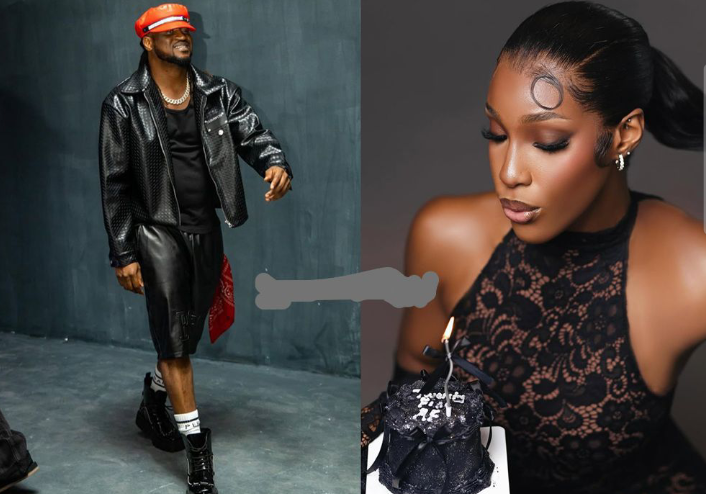
“Forever My Ayoyo” – Paul Okoye Melts Hearts as He Celebrates Wife Ifeoma’s 25th Birthday with Sweet Words
Love was once again in the air on social media as Nigerian singer Paul Okoye,...
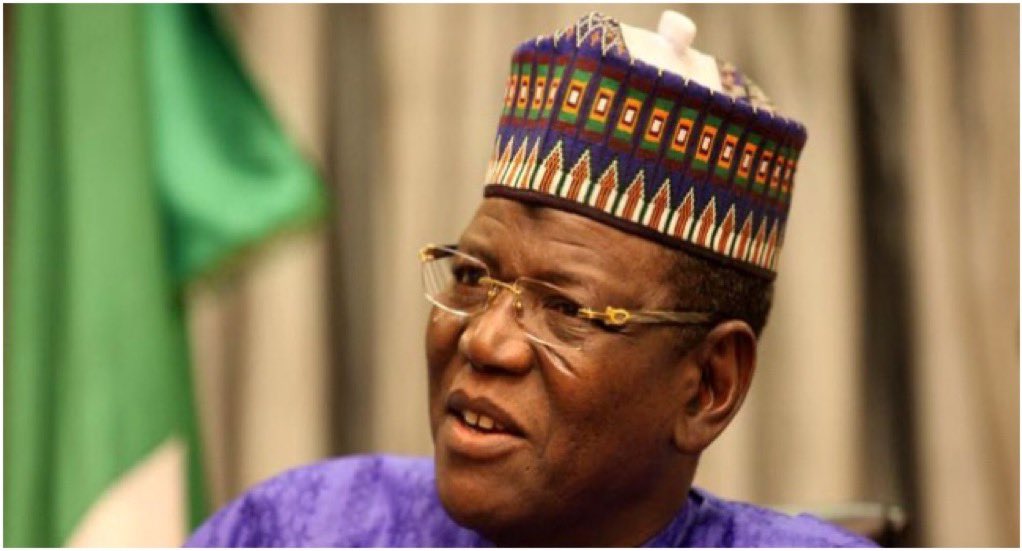
Supreme Court Orders Continuation of ₦1.35bn Fraud Trial Against Ex-Jigawa Governor Sule Lamido, Sons
Nigeria’s Supreme Court has ordered the continuation of the long-running trial of former Jigawa State...