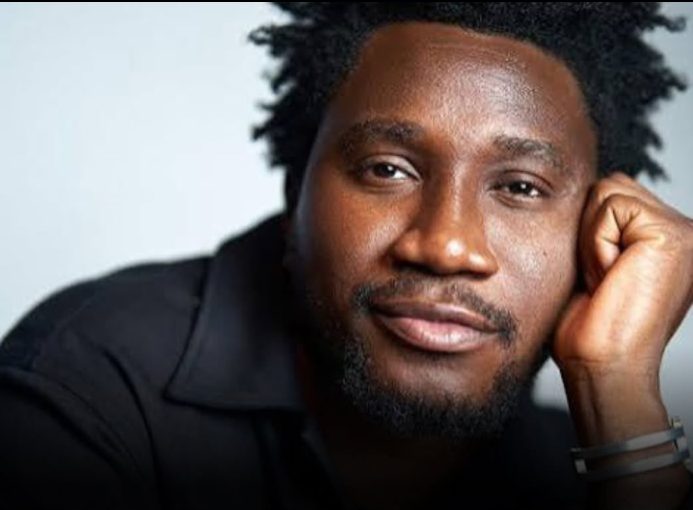
“Social Media Has Done More Harm Than Good,” Skitmaker Nasboi Declares, Sparking Debate Online
In a statement that has ignited a storm of reactions across multiple social media platforms, popular Nigerian skitmaker Nasboi shared his unfiltered opinion on the impact of social media, claiming boldly that it has done more harm than good. Known for his humorous skits and engaging content online, Nasboi’s perspective
In a statement that has ignited a storm of reactions across multiple social media platforms, popular Nigerian skitmaker Nasboi shared his unfiltered opinion on the impact of social media, claiming boldly that it has done more harm than good. Known for his humorous skits and engaging content online, Nasboi’s perspective comes as a surprising contrast to the usual celebratory narratives about digital connectivity and online fame.
Taking to his Instagram handle, Nasboi wrote, “Social media has done more harm than good. I can defend this anywhere.” The statement, brief yet powerful, immediately went viral, attracting thousands of comments, shares, and debates from fans, fellow content creators, and social media users alike. The boldness of Nasboi’s comment lies not just in the critique of social media itself, but in the conviction with which he claims he can defend it “anywhere,” suggesting that this is more than a passing opinion—it is a firm stance he is ready to justify in any forum.
Social media, since its introduction, has been celebrated for its ability to connect people across the globe, provide platforms for self-expression, and even serve as a tool for education and social awareness. However, it has also been criticized for promoting unrealistic lifestyles, encouraging mental health struggles, enabling cyberbullying, and fostering a culture of comparison and superficial validation. Nasboi’s comments seem to touch on these concerns, though he did not explicitly list his reasons in the viral post, leaving room for speculation and discussion among his followers.
Almost immediately after the post went live, social media users flooded the comment section with mixed reactions. Some supported Nasboi, praising him for speaking truth to power and pointing out the negatives of a platform that often prioritizes virality over well-being. “Finally, someone is saying it. People are too busy flexing online while forgetting real life,” one user commented. Others disagreed, arguing that social media, when used responsibly, is an essential tool for entertainment, business growth, and global connectivity. “Social media is what you make of it. Nasboi, you just need to manage your time better,” a follower wrote, reflecting a common defense of digital platforms.
What stands out in this discourse is how Nasboi, despite being a social media figure himself, openly criticizes the very platforms that have contributed to his rise to fame. This candid self-reflection is relatively rare among influencers, many of whom tend to highlight the benefits of their online presence rather than its downsides. Nasboi’s statement could therefore be seen as a wake-up call to both creators and users, urging them to take a closer look at the potentially harmful effects of prolonged exposure to social media.
Experts in psychology and digital media have long debated the consequences of heavy social media use, noting that while it offers undeniable benefits, there are significant drawbacks to consider. Studies have shown that excessive use of social media can lead to increased anxiety, depression, and feelings of inadequacy, particularly among young people who compare themselves to curated versions of others’ lives. The pursuit of likes, followers, and online validation often fuels a cycle of self-doubt, which may explain why Nasboi feels strongly enough to defend his stance publicly.
Moreover, social media has transformed not just individual behavior but societal interactions. It has amplified gossip, fueled cancel culture, and often allowed misinformation to spread at unprecedented speeds. Nasboi’s critique, therefore, resonates with a growing body of opinion that suggests that social media’s influence is not entirely positive. While the platform offers visibility and reach, it also brings challenges that users must navigate carefully, from the pressure of maintaining an online persona to exposure to negativity and harassment.
Despite the criticisms, there are those who argue that blaming social media entirely for its harms is simplistic. Every technological advancement comes with pros and cons, and social media is no different. Supporters of the platform contend that it has democratized content creation, allowed small businesses to thrive, provided educational resources, and given marginalized voices a chance to be heard. Nasboi’s post, in their view, represents just one perspective in a broader debate, reflecting personal experience rather than universal truth.
Interestingly, the discussion surrounding Nasboi’s statement has itself highlighted the paradox of social media: a platform simultaneously criticized and relied upon for communication and expression. The rapid spread of his opinion demonstrates how social media can amplify conversations, mobilize discussions, and provoke thought, even when the content being shared critiques the very medium enabling it. In other words, social media’s influence is double-edged—it can harm, but it can also empower, depending on how it is used.
For Nasboi, the motivation behind his bold declaration appears to stem from both personal observation and lived experience. Many skitmakers and content creators have spoken about the pressures of consistently producing viral content, managing online criticism, and navigating the delicate balance between public image and private life. The mental toll of sustaining an online presence, coupled with the culture of comparison and competition, may be why Nasboi feels strongly about the negative impact of social media. His willingness to publicly voice these concerns, despite potential backlash, has earned him respect from some quarters and criticism from others, reinforcing the idea that discussions about digital culture are rarely straightforward.
As the debate continues, one thing remains clear: Nasboi’s statement has struck a nerve. It has sparked reflection on how social media shapes modern life, influencing not only entertainment and business but also emotional well-being and social dynamics. Users, especially young people, are being prompted to reconsider their online habits, the value they place on digital validation, and the consequences of spending excessive time scrolling through curated realities.
In the end, whether social media is more harmful than beneficial is subjective and depends largely on personal experience and usage. Nasboi’s forthrightness, however, has reminded many that even the platforms we celebrate can have unintended consequences, and that questioning their influence is not only valid but necessary. His statement is a call for mindfulness in a world dominated by notifications, trends, and online personas—a reminder that while social media can entertain and connect, it can also distort, overwhelm, and harm if not approached thoughtfully.
As of now, the conversation sparked by Nasboi shows no signs of slowing down. Memes, debates, and opinion threads continue to circulate, with supporters doubling down on his claim and critics challenging it. Regardless of where one stands, the discourse underscores the growing awareness that digital spaces, while powerful, are not without their pitfalls. For a skitmaker known for humor and relatability, Nasboi’s candid critique is a rare glimpse of vulnerability and honesty, giving fans and followers a reason to pause and reflect on their own online engagement.
Social media, Nasboi reminds us, is not inherently evil, but it is far from an unqualified good. And as the digital landscape evolves, the conversations around its impact are likely to become more nuanced, more i
ntense, and more personal.
Share this post
Related Posts
JUST IN: ROD Hotel Drops Jigan BabaOja Amid Controversy Tied to Mohbad’s Death
In a swift and calculated move driven by reputational concerns, ROD Hotel & Apartments has...
Eko Bridge in Peril: FG Shuts Waterway as Dredging Accident Triggers Structural Damage
In a dramatic move to avert potential disaster, the Federal Government has ordered the immediate...

She Wrote My First Cheque: MI Abaga Reveals How His Wife Became His Biggest Investor
Nigerian rap icon and celebrated lyricist, MI Abaga, has once again reminded fans and admirers...