news
Stay Away From the Smoke: Sokoto Government Warns Residents of Hidden Dangers at Airstrike Blast Sites
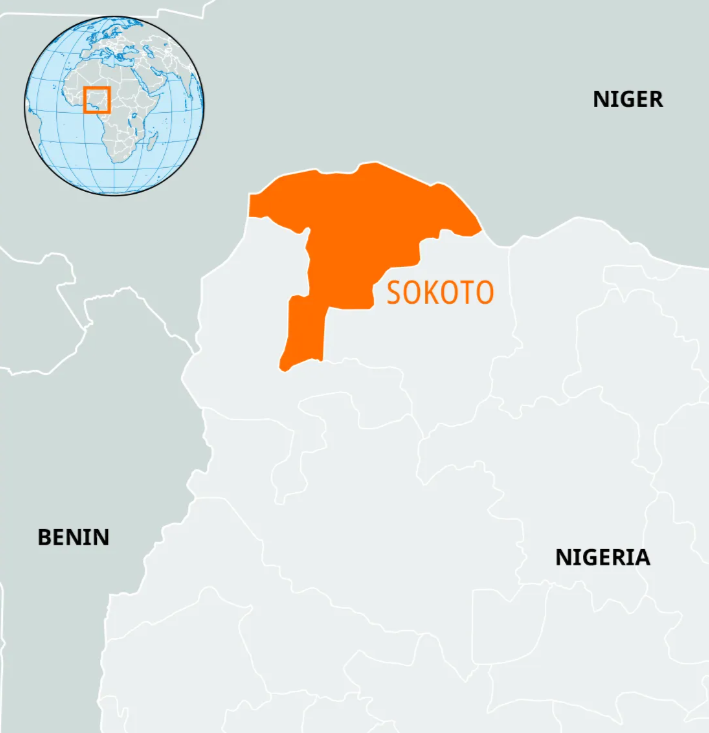
The Sokoto State Government has issued a strong public warning urging residents, especially those in communities affected by insecurity, to stay away from locations hit by recent explosions, cautioning that such sites pose serious and potentially long-term health risks. The advisory follows reports that some residents rushed to the scene of a blast in Jabo town shortly after it occurred, exposing themselves to unseen dangers in their quest for information or reassurance.
In a statement released by the Director-General of Media and Publicity at the Government House, Abubakar Bawa, and made available to journalists across the state, the government expressed concern over the growing tendency of locals to visit blast sites immediately after incidents. According to the statement, while curiosity and fear are natural reactions during moments of crisis, approaching such locations could have grave consequences for both human health and the surrounding environment.
The government explained that areas impacted by explosions, including those linked to military operations against criminal elements, are often contaminated with hazardous substances. These substances may not be visible to the naked eye but can linger in the soil, air, and debris long after the blast itself. Officials stressed that exposure to such materials could result in a range of health complications, some of which may not show symptoms immediately.
Citing expert assessments, the statement highlighted that chemical residues from explosives can cause skin irritation and burns upon contact, particularly for individuals who walk barefoot or touch debris at the site. It also warned of respiratory problems that may arise from inhaling toxic fumes released during explosions, noting that children, the elderly, and people with pre-existing health conditions are especially vulnerable. Prolonged exposure, the government added, could lead to more severe toxic reactions if explosive materials or contaminated dust are inhaled or accidentally ingested.
The Sokoto State Government described the situation in Jabo town as a worrying example of the risks involved. Reports indicated that shortly after Thursday’s blast, residents hurried to the scene, some out of concern for their safety and others out of curiosity. Authorities said this behavior underscores the urgent need for sustained public education on the hidden dangers associated with blast sites and post-explosion environments.
Reaffirming its commitment to protecting lives and ensuring public safety, the government directed local government chairmen, traditional rulers, and religious leaders in high-risk areas to intensify awareness campaigns. These leaders were urged to use community meetings, religious gatherings, and local communication channels to educate residents on why blast scenes should be avoided and why official safety directives must be respected.
The statement emphasized that community leaders play a crucial role in shaping public behavior, particularly in rural and semi-urban areas where trust in traditional and religious authorities is often stronger than in government institutions. By spreading accurate information and discouraging risky actions, the government believes these leaders can help prevent avoidable injuries and illnesses.
In addition to public sensitization, local government authorities were instructed to take concrete steps to secure affected areas. This includes ensuring that all sites impacted by explosions are promptly cordoned off, clearly marked, and made inaccessible to civilians until safety assessments are completed. The government noted that restricting access is not meant to inconvenience residents but to protect them from harm that may not be immediately apparent.
Security agencies and emergency response teams were also reminded of the need for swift action in securing blast locations. The government stressed that effective coordination between military units, local authorities, and emergency services is essential to minimizing risks in the aftermath of security operations. By sealing off dangerous zones and providing timely information to the public, officials believe panic and unsafe behavior can be reduced.
While acknowledging the anxiety that often follows explosions and airstrike operations, the Sokoto State Government urged residents to rely on official sources for updates rather than firsthand investigations. The statement encouraged citizens to report suspicious objects or unusual conditions to authorities instead of approaching them, warning that unexploded materials or toxic residues may still be present.
The advisory comes amid ongoing efforts by the state and federal governments to address insecurity in parts of Sokoto and neighboring states. Military operations, sometimes carried out in collaboration with international partners, have targeted armed groups accused of terrorizing rural communities. While these operations are aimed at restoring peace and stability, officials noted that civilian safety remains a top priority before, during, and after such actions.
The government also reassured residents of its determination to secure the state and protect lives and property. It appealed for patience, cooperation, and understanding from the public, emphasizing that safety guidelines are issued in the best interest of the people. According to the statement, preventing secondary harm from exposure to blast sites is just as important as neutralizing security threats.
As Sokoto continues to navigate the challenges posed by insecurity, authorities say responsible public behavior will play a key role in reducing casualties and health complications. The government concluded by urging residents to remain vigilant, avoid affected areas, and support ongoing efforts to maintain public safety, stressing that staying away from blast sites could be the difference between safety and serious harm.
Popular Posts

“Why Are You Gay?” Prank Backfires as NYC Subway Commuter Smacks UK Streamer’s Camera in Viral Clip
27 Dec, 2025
“They Are Part of Us”: Sheikh Gumi’s Call for Coexistence Rekindles Nigeria’s Herdsmen Debate
27 Dec, 2025
Night of Fear in Kwara: Gunmen Raid Adanla Community, Abduct Residents and Deepen Security Concerns
27 Dec, 2025Scroll to Top