Entertainment
“This Is Daylight Robbery”: Afrobeats Legend Dare Fasasi Blasts Corruption in Nigeria’s Rail System After Shocking Lagos Experience
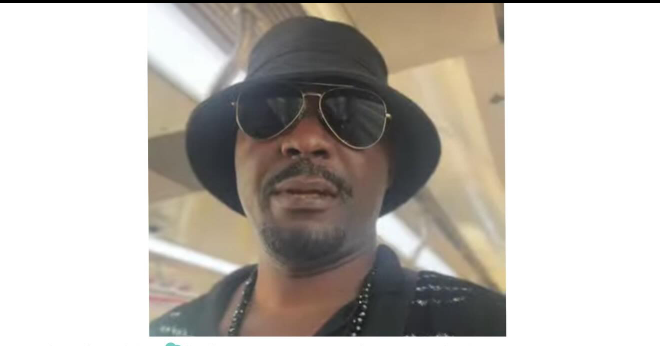
Afrobeats legend and cultural icon Dare Fasasi has ignited a fresh national conversation on corruption and public accountability after publicly calling out what he described as blatant misconduct within Nigeria’s rail services, following a troubling personal experience while commuting in Lagos. In a strongly worded statement that has since sparked widespread reactions online, the veteran musician lamented how everyday corruption continues to undermine public infrastructure and stall the country’s development, warning that systems meant to serve the people are being sabotaged from within.
Fasasi, who was recently in Lagos, explained that he made the decision to abandon his car and use the train to access the Island due to the notorious traffic congestion that routinely cripples movement across the city. What should have been a practical alternative to gridlocked roads quickly turned into an eye-opening encounter with what he described as gross mismanagement and abuse of public trust. According to him, the experience highlighted how deeply corruption has been normalized in everyday public service interactions, even in sectors that are supposed to offer relief to millions of struggling commuters.
The Afrobeats star revealed that during the peak December travel season, several train stations in Lagos were reportedly “out of” Cowrie cards, the electronic payment cards designed to ensure seamless, cashless access to public transport. He questioned how such a critical component of the rail system could be unavailable at the busiest time of the year, describing the situation as both illogical and unacceptable. For many commuters, Cowrie cards are not just a convenience but a necessity, and their absence immediately creates chaos, delays, and opportunities for exploitation.
What shocked Fasasi most, however, was what he witnessed at the Orile-Iganmu station. According to his account, a train attendant was openly collecting bank transfers into a personal account from commuters in exchange for allowing them to board the train. There was no attempt to hide the practice, and no visible fear of consequences. People paid, Fasasi noted, not because they supported the act, but because they had no choice. With limited alternatives and urgent destinations, commuters were effectively cornered into participating in what he described as daylight robbery disguised as public service.
In his words, this was not a minor lapse or an isolated mistake, but a clear example of how positions of responsibility are routinely perverted for personal gain. Fasasi lamented that corruption has become Nigeria’s greatest nemesis, arguing that many individuals exploit whatever authority they find themselves entrusted with, only to later question why the country struggles to progress. His remarks struck a chord with many Nigerians who see similar scenarios play out daily across different sectors, from transportation to education and healthcare.
The musician warned that such practices, if left unchecked, would quickly erode public confidence in the rail system. Train services in Lagos have been widely promoted as a solution to the city’s chronic traffic problems, offering a faster, more reliable means of transportation for workers, students, and business owners. However, Fasasi cautioned that no system can survive deliberate sabotage from within. When public infrastructure is treated like a personal cash machine, he argued, it is only a matter of time before people stop trusting and using it.
He further emphasized that the issue goes beyond a single attendant or station, pointing instead to a systemic failure that allows such behavior to thrive. The absence of accountability mechanisms, effective supervision, and real consequences for wrongdoing creates an environment where corruption flourishes openly. In such a setting, honest workers are discouraged, while dishonest ones are emboldened, knowing that the chances of punishment are slim.
Fasasi’s comments also highlighted the moral dilemma faced by ordinary Nigerians who are forced to comply with corrupt practices just to get through their day. He acknowledged that commuters who paid the attendant were victims of the system, not collaborators by choice. Yet he also warned that silence and resignation, even when understandable, ultimately enable the cycle to continue. If citizens do not call out wrongdoing and demand better standards, he said, they risk becoming complicit in the very failures they complain about.
The outcry has resonated strongly on social media, where many users shared similar experiences and expressed frustration over the state of public services in the country. Some praised Fasasi for using his platform to speak out on an issue that affects millions, noting that voices with influence play a crucial role in pushing accountability into the national spotlight. Others called on the relevant authorities to investigate the incident and implement reforms to prevent a recurrence.
At a time when the government is encouraging Nigerians to embrace public transportation as a cost-effective and environmentally friendly option, incidents like the one described by Fasasi pose a serious threat to that vision. Trust is the foundation of any functional public system, and once it is broken, restoring it becomes an uphill task. Without transparent processes, adequate resources, and strict enforcement of rules, even the most promising infrastructure projects risk collapsing under the weight of corruption.
In his concluding remarks, Dare Fasasi issued a clear call to action. He urged authorities to fix the system, enforce standards, and punish corruption decisively, stressing that Nigerians deserve far better than what they are currently experiencing. His message was not just a complaint, but a challenge to both leaders and citizens to confront uncomfortable truths and demand meaningful change.

As the debate continues, Fasasi’s experience serves as a stark reminder that corruption is not an abstract concept discussed only in policy papers and political speeches. It is a lived reality that affects daily life, productivity, and national morale. Whether his intervention will lead to concrete action remains to be seen, but one thing is certain: the conversation it has sparked is long overdue, and many Nigerians are no longer willing to accept dysfunction as the norm.
Popular Posts

Tragedy in Nairobi: Asake Mourns Fan Lost in Stampede, Calls for Accountability After Kenya Concert
23 Dec, 2025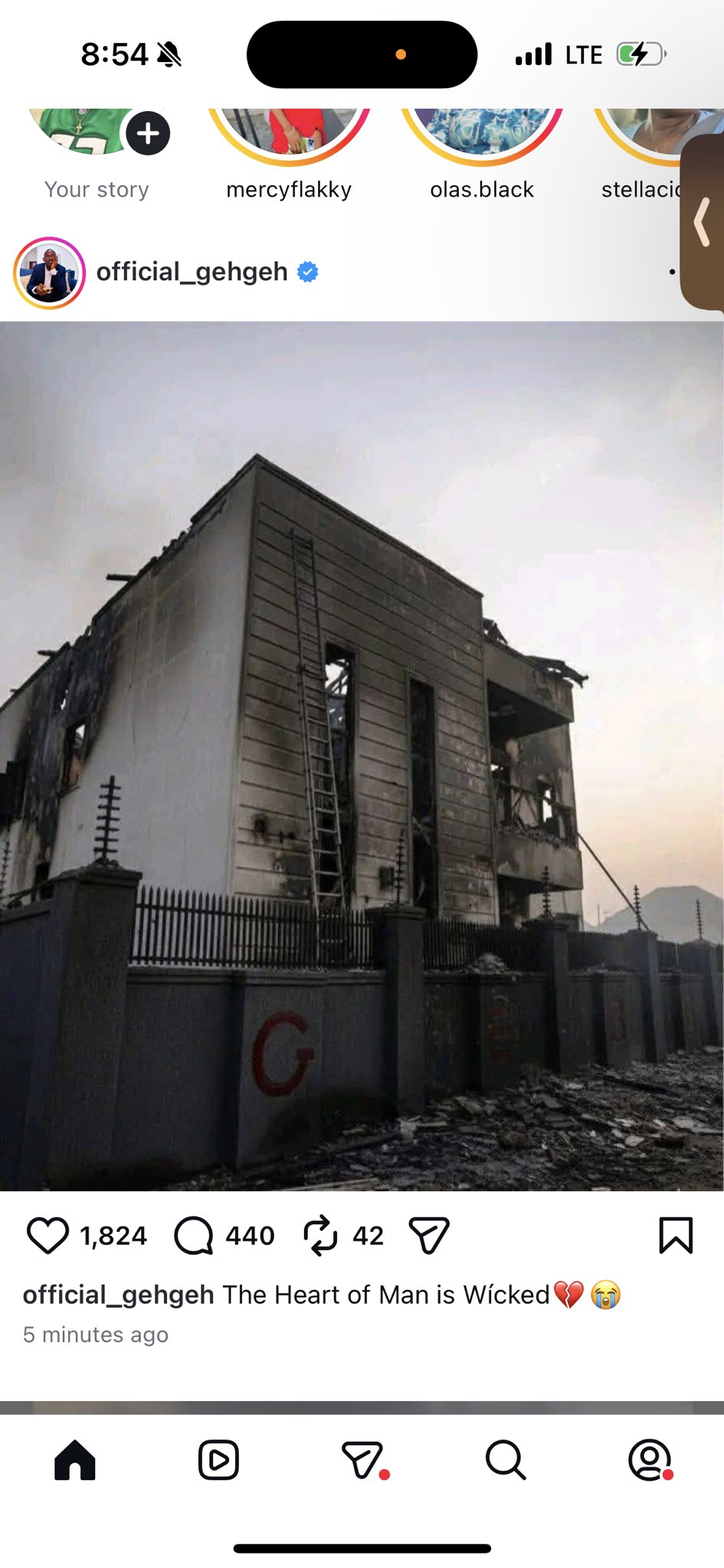
Rumors Swirl Online After GehGeh’s Mansion “Burns Down"
23 Dec, 2025
“It Is Not a Crime to Be Broke”: Mr Blord’s Viral Message Ignites a Fresh Debate on Wealth, Age, and Online Bragging
23 Dec, 2025Scroll to Top