“This Your Shirt Na Immortal” — How a Casual Joke on X Turned Into the Internet’s Latest Cultural Moment
In the endlessly buzzing world of social media, where a single sentence can ignite an entire wave of conversations, one casual exchange has unexpectedly risen to the top of online chatter. It began as nothing more than a playful comment between two X users, but quickly spiraled into a viral
In the endlessly buzzing world of social media, where a single sentence can ignite an entire wave of conversations, one casual exchange has unexpectedly risen to the top of online chatter. It began as nothing more than a playful comment between two X users, but quickly spiraled into a viral moment that Nigerians everywhere couldn’t stop laughing about — and relating to. User @mhartinz9 posted the now-famous line, “No forget wetin dem use joke tell u,” to which FLEX O (@jOesucks) responded with a hilariously unforgettable twist: “This your shirt na immortal oo.” What followed was not just a few laughs, but an avalanche of reactions, memes, and cultural reflections that proved once again that Nigerians have a unique talent for turning ordinary conversations into iconic moments.
It all began innocently, the way most internet jokes do. Someone shared a reminder not to take lightly the things people say in jest — because oftentimes, jokes carry hidden truths. But instead of a heavy or reflective response, FLEX O delivered a blow that was both funny and brutally honest: the kind of playful dragging that Nigerians have mastered and elevated into an art form. The comment struck a chord instantly. The imagery of a shirt so unfazed by time, weather, or even laundry cycles that it could be described as “immortal” was too vivid, too real, and too relatable.
Within minutes, the quote began circulating, gathering retweets, reactions, voice-note renditions and even short video skits. Many users chimed in with memories of clothes that had survived their entire childhoods and beyond — shirts passed down from one sibling to another until no one could even remember who originally owned them. Others confessed to having their own “immortal shirts” that refused to fade, tear, or retire, no matter how hard life tried.
The joke landed because it tapped into a shared cultural experience. In many Nigerian households, there’s always that one piece of clothing that becomes legendary — not for beauty, but for endurance. The shirt that survived boarding school. The T-shirt worn for so long it became part of someone’s identity. The jersey that no amount of washing could ruin. The “native” that has attended more celebrations than the average guest. FLEX O’s wit didn’t just create a laugh; it opened the door for nostalgia, collective memory, and hilariously honest confessions.
But beyond the humor, the statement “No forget wetin dem use joke tell u” brought an unexpected layer of reflection to the moment. It was a reminder delivered in true Nigerian fashion: humorous on the surface, but with a gentle hint of truth beneath. Many users took the opportunity to discuss how jokes are often used to deliver masked criticism, hint at real concerns, or say what people don’t want to say directly. As one commenter put it, “If person joke your destiny, check am twice.” It was proof once again that Nigerians know how to drop wisdom in between laughter, effortlessly weaving life lessons into punchlines.
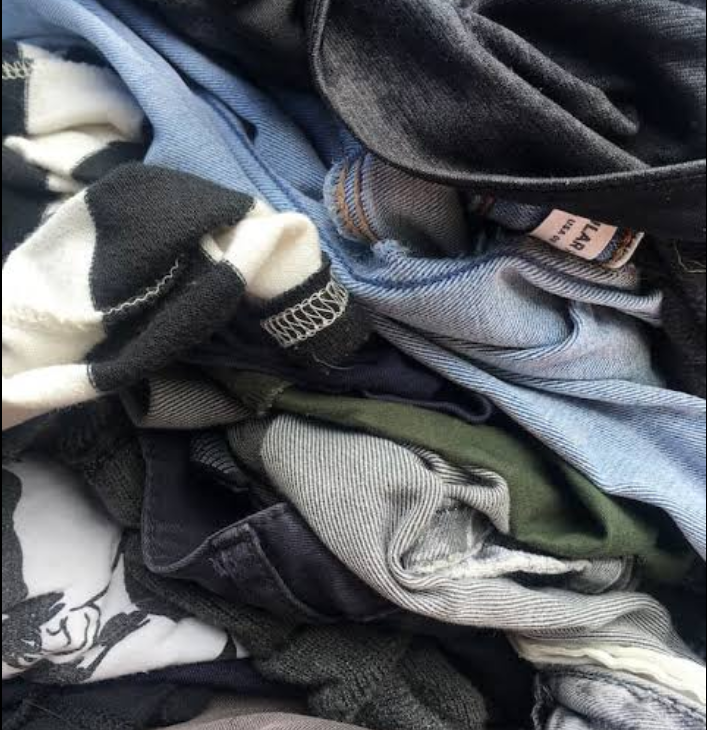
Still, the center of attention remained the “immortal shirt” itself — a metaphor that took on a life of its own. People began posting photos of old clothing they’d refused to part with, proudly displaying shirts that had lasted ten, fifteen, even twenty years. Some joked that the shirt was likely older than several X users. Others said the shirt must have been made by the same manufacturers who produced Nokia phones in their prime. One user tweeted, “If your shirt fit survive 15 years and still dey waka, na heritage item be that.” The platform became a digital museum of fabric endurance.
The moment also highlighted the brilliance of Nigerian social media creativity. No trend is too small to explode; no joke too random to become a cultural moment. Before long, content creators joined the party. Comedians filmed skits reenacting the interaction. Graphic designers generated cartoon versions of the “immortal shirt,” some humorously giving it superpowers like regeneration or invisibility. One artist even sketched a superhero named “Immortal Shirtman,” draped in a vintage tee with the caption: “Fighting crime since 1997.”
Brands didn’t stay on the sidelines for long either. Fashion pages began posting shirts labelled “IMMORTAL COLLECTION,” tongue firmly in cheek. Laundry product companies subtly slid into the trend with captions like, “Keep your shirts immortal — but fresh.” Even small thrift stores, popularly known as “okrika” vendors, joked that they’ve been selling immortal shirts long before X invented the phrase.
But beneath the humor, there was also a sense of togetherness the internet rarely gets credit for. The trend reminded people of shared childhoods, shared struggles, shared family dynamics, and the universal experience of making the best out of what you have. Something as simple as clothing — often taken for granted — became a storytelling tool connecting thousands of people over memories of growing up, bonding with siblings, and laughing at the humble realities of everyday life.
Media analysts noted how quickly the conversation escalated, pointing out that what fuels Nigerian social media virality is not always controversy, but relatability mixed with humour. In a society where people constantly navigate stress, inflation, politics, and uncertainty, these light-hearted moments provide rare opportunities to exhale. As one user said, “Person dey go through a lot, but at least immortal shirt still dey.”
By evening, the phrase had grown beyond the original joke. It became shorthand for anything oddly durable — from gadgets that refuse to die, to cookware that has survived generations. The internet had turned a simple clapback into a full cultural symbol. FLEX O, amused by the reaction, reposted several of the funniest replies, joking that he never expected his casual comment to “blow” like that. He thanked Nigerians for having a sense of humor sharp enough to give even the most mundane moment a life bigger than itself.
The conversation also sparked discussions about confidence, self-awareness, and the ability to laugh at oneself — traits Nigerians are widely known for. People joked about friends who wear their favorite shirt too often, colleagues who have “signature outfits,” and cousins whose clothes seem to have infinite lifespans. The trend became a way for people to poke fun at one another lovingly, without malice, and with the shared understanding that life doesn’t always need to be so serious.
What started as a playful banter between two users ended up becoming a national inside joke, one that perfectly captured the spirit of Nigerian humor: sharp, fast, imaginative, and rooted in shared experience. The “immortal shirt” may not exist in real life, but on X, it became the star of the day — a symbol of resilience, nostalgia, laughter, and cultural connection.
And just like that, a random Tuesday became unforgettable thanks to a joke so ordinary yet so strikingly familiar. Only in Nigeria can a shirt become a legend in less than 24 hours.
Share this post
Related Posts

“Single Forever”: Kai Cenat’s Viral Declaration Sparks Global Reactions, Memes, and a New Chapter for the Streaming Superstar
Kai Cenat has once again proven that a single sentence from him can set the...

BREAKING NEWS: FBI Fires 20 Agents Over George Floyd Protest Kneeling Scandal
The Federal Bureau of Investigation has ignited a political firestorm after dismissing about 20 of...

Temi Otedola Opens Up on Taking Mr Eazi’s Surname, Says It’s Her Choice and She’s Happy About It
The world of celebrity marriages is often filled with scrutiny, with fans and critics constantly...