
news
TINUBU GRANTS CLEMENCY TO 30 CONVICTS AND NATIONAL FIGURES, INCLUDING KEN SARO WIWA AND MAMMAN VATSA
In a historic move that has sparked nationwide conversation, President Bola Ahmed Tinubu has granted clemency to a list of 30 individuals, including notable figures from Nigeria’s past such as Ken Saro Wiwa, Major General Mamman Jiya Vatsa, and nationalist icon Herbert Macaulay. The presidential pardon, which many describe as both symbolic and restorative, is part of a broader effort to promote national healing, justice reform, and reconciliation among Nigerians.
The announcement, which was made public through an official government statement, details three distinct categories of clemency: full pardons, commutation of death sentences to life imprisonment, and clemency for certain convicts. The move follows months of internal review by the Presidential Advisory Committee on Prerogative of Mercy, which was tasked with identifying cases that deserved a second chance or historical correction.
Under the list of full pardons are names that immediately drew public attention. Among them are environmental activist and writer Ken Saro Wiwa, executed under the military regime of General Sani Abacha in 1995, and Major General Mamman Jiya Vatsa, who was executed in 1986 following allegations of involvement in a coup attempt against General Ibrahim Babangida. Also on the list is Herbert Macaulay, widely regarded as Nigeria’s founding nationalist and one of the most iconic figures of pre-independence politics, though his inclusion is viewed largely as a posthumous gesture to honor his contributions to the Nigerian state.
Others who received presidential pardon include Mrs Anastasia Daniel Nwaobia, Barrister Hussaini Alhaji Umar, Ayinla Saadu Alanamu, and Hon. Farouk M. Lawan, a former member of the House of Representatives who was convicted in a bribery case involving a $500,000 scandal. Lawan’s inclusion has drawn mixed reactions, with some Nigerians questioning the decision to pardon individuals previously convicted of corruption-related offenses, while others see it as a sign of the president’s commitment to giving reformed individuals a chance to rebuild their lives.
The pardon also extends to individuals executed alongside Saro Wiwa, known collectively as the Ogoni Nine, who were hanged for their activism against environmental degradation in the Niger Delta. Their names—Saturday Dobee, Nordu Eawo, Daniel Gbooko, Paul Levera, Felix Nuale, Baribor Bera, Barinem Kiobel, and John Kpuine—are now officially cleared of wrongdoing by the Nigerian government, marking a long-awaited vindication after nearly three decades of national and international advocacy.
For many, this moment represents a crucial step in Nigeria’s journey toward confronting its political past. The execution of the Ogoni Nine remains one of the darkest chapters in the country’s history, drawing global condemnation at the time and leading to Nigeria’s temporary suspension from the Commonwealth. With this act of clemency, President Tinubu’s administration appears intent on rewriting that narrative by formally recognizing the injustice and seeking reconciliation with the Niger Delta communities that have long carried the emotional and environmental scars of that era.
In addition to the pardons, the president commuted the death sentences of four individuals—Emmanuel Baba, Abubakar Usman, Khalifa Umar, and Mohammed Umar—to life imprisonment. According to the government statement, this decision followed careful consideration of humanitarian grounds, behavior in custody, and recommendations from correctional authorities. These commutations, though not full pardons, are part of what the presidency described as an effort to "uphold the sanctity of human life while ensuring justice is tempered with mercy."
The final list of those granted clemency includes individuals serving various sentences across correctional facilities in the country. Among them are Oroka Michael Chibueze, Adesanya Olufemi Paul, Daniel Bodunwa, Hamza Abubakar, Buhari Sani, Mohammed Musa, Muharazu Abubakar, Ibrahim Yusuf, Saad Ahmed Madaki, Ex-Corporal Michael Bawa, Richard Ayuba, Adam Abubakar, Emmanuel Yusuf, Chinedu Stanley, and Johnny Ntheru Udor.
Presidential spokespersons have emphasized that the clemency does not absolve the beneficiaries of responsibility for their actions but represents the government’s acknowledgment of rehabilitation, repentance, or extraordinary circumstances that justify mercy. The decision, according to Aso Rock insiders, also reflects President Tinubu’s broader philosophy that “a just society must balance accountability with forgiveness.”
Reactions to the announcement have been swift and divided. While many Nigerians, especially in the Niger Delta, welcomed the symbolic clearing of Ken Saro Wiwa and the Ogoni activists, others have criticized the inclusion of political figures like Farouk Lawan. Civil society groups have urged the government to ensure that future exercises of presidential mercy are transparent and guided strictly by principles of fairness rather than politics.
Amnesty International’s Nigeria office released a statement lauding the pardon of Saro Wiwa and his colleagues, calling it “a long overdue recognition of innocence.” The group, however, urged the federal government to go beyond symbolic gestures and commit to environmental remediation in Ogoniland as a lasting tribute to the legacy of the late activist.
In contrast, some political analysts argue that the timing of the pardons may have political undertones. With growing public criticism over economic hardship and governance issues, they suggest that Tinubu’s administration could be using this act of clemency to project an image of compassion and inclusivity. However, others view it as a courageous and moral decision that reopens long-ignored conversations about justice, forgiveness, and the role of history in national unity.
For many Nigerians, the most emotional aspect of the announcement remains the rehabilitation of Ken Saro Wiwa and the Ogoni Nine. Across social media, tributes have poured in, celebrating the decision as a moral victory. “After 30 years, the truth has finally been acknowledged,” one post read. “They were not criminals. They were heroes.”
Legal experts have noted that the inclusion of both posthumous and living beneficiaries underscores the dual intent of the exercise—to right historical wrongs and to provide second chances for the living. The symbolic nature of Herbert Macaulay’s pardon, for instance, reinforces his eternal place in Nigeria’s history as a patriot whose struggles helped lay the foundation for independence.
As the dust settles, President Tinubu’s latest act of clemency will likely continue to stir debate about justice, history, and the evolving role of the presidency in shaping national healing. Whether viewed as a moral restoration or a politically strategic move, one thing is clear: the announcement has reignited Nigeria’s conversation about mercy, memory, and what it means to truly move forward as a nation.
For some, this gesture will be remembered as a landmark in Nigeria’s democratic history—a president extending an olive branch to the living and the dead alike. For others, it is a reminder that while forgiveness can heal wounds, the deeper work of justice and reform must continue. Yet, in a nation often divided by its past, the message from Aso Rock seems unmistakable: the time has come to turn the page, honor those wronged, and believe once again in the possibility of redemption.
Popular Posts
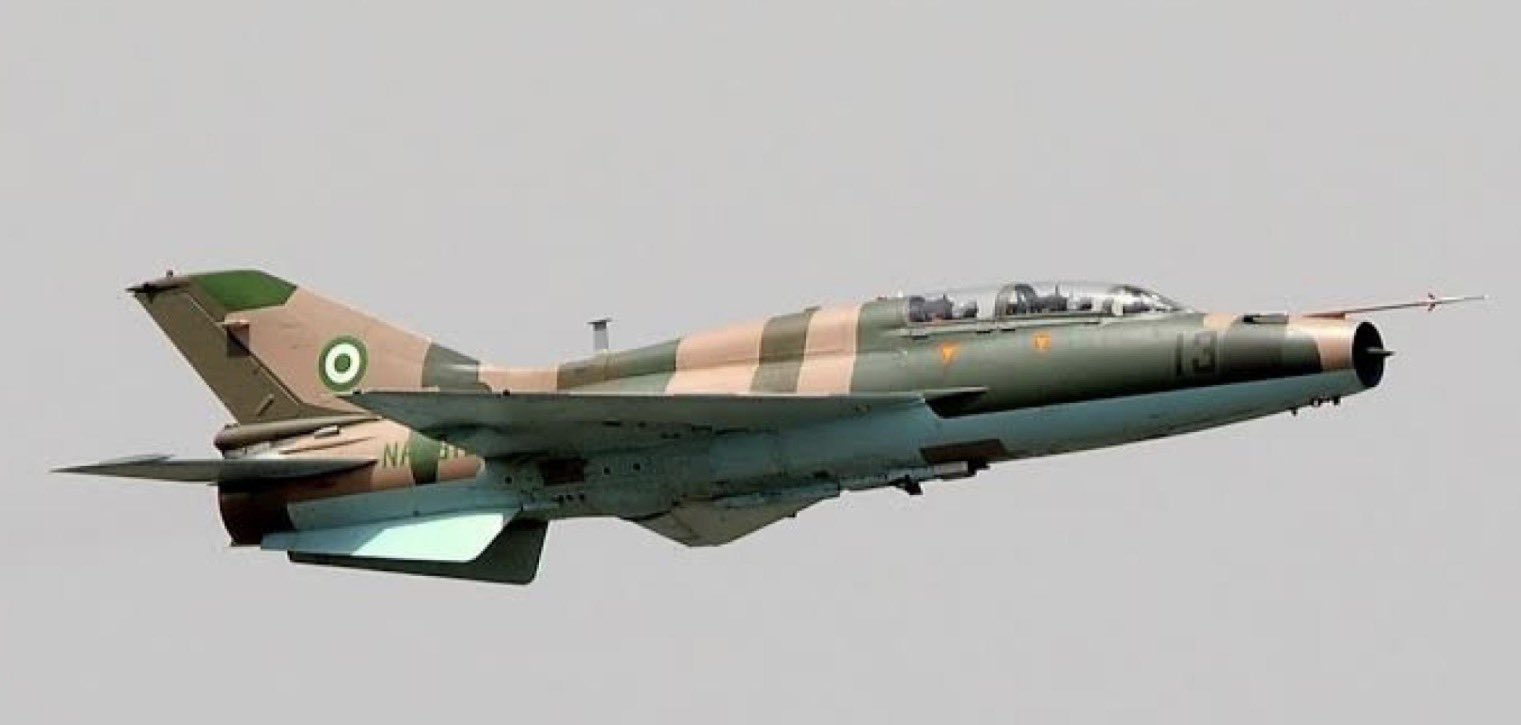
Nigeria Pulls Back Fighter Jet After Benin’s Failed Coup as Calm Returns to the Region
07 Dec, 2025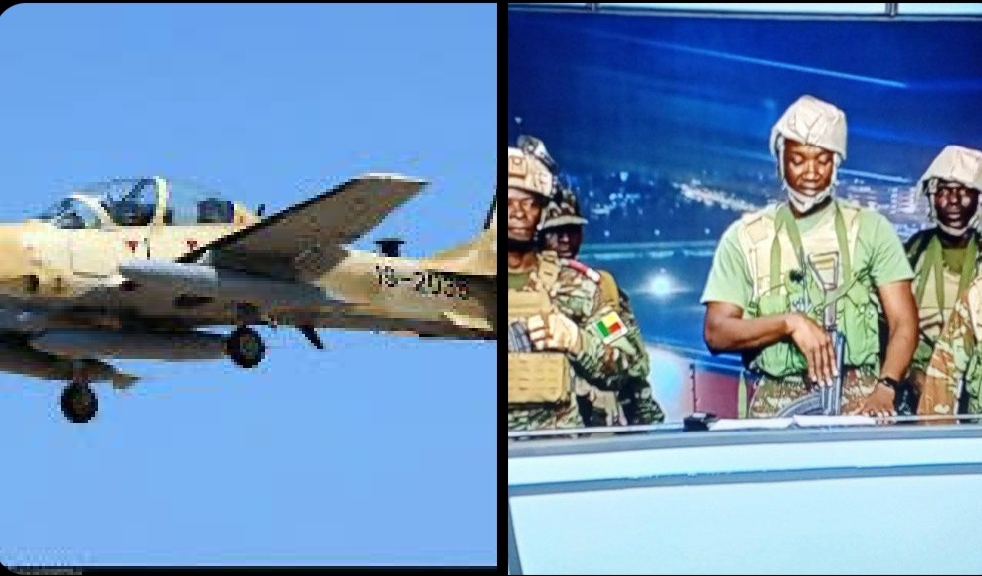
Nigerian fighter jets deployed to Benin Republic as military takeover triggers regional alarm
07 Dec, 2025
Arne Slot Fired in Stunning Shake-Up: Liverpool Rocked by Sudden Managerial Dismissal
07 Dec, 2025Scroll to Top