news
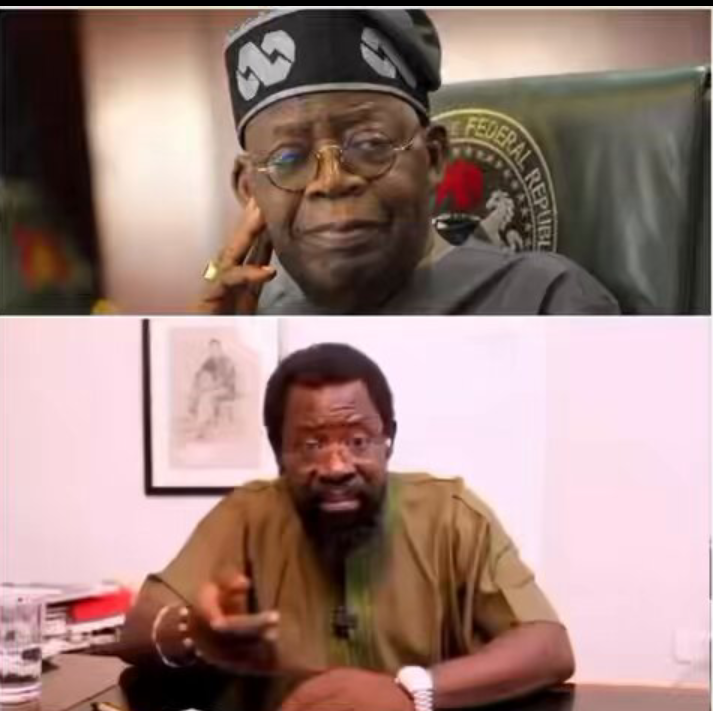
“Tinubu Stole the Mandate” — Dele Farotimi Sparks Fresh Controversy Over 2023 Presidential Election
In a statement that has once again stirred political tension across the nation, Nigerian lawyer and activist, Dele Farotimi, has reignited the conversation about the legitimacy of the 2023 presidential election, bluntly asserting that President Bola Ahmed Tinubu did not win the polls. Speaking with a tone of conviction that has characterized his public engagements, Farotimi declared, “Nigerians, I mean all Nigerians, know that Tinubu did not win the last election. He stole it.” His words, though not new to the political discourse, have revived old wounds and triggered heated debates on social media and in political circles.
Farotimi, known for his outspokenness and fiery criticism of Nigeria’s ruling class, did not mince words as he called out what he described as a “national conspiracy of silence” surrounding the 2023 elections. He insisted that the truth was evident to anyone who followed the electoral process closely, saying that the evidence of manipulation, intimidation, and systemic compromise was too glaring to be denied. According to him, the election was less of a democratic contest and more of a “well-scripted act of political theft” that Nigerians have refused to confront fully out of fear or fatigue.
The activist’s remarks have since generated widespread reactions, with many Nigerians expressing mixed feelings. Some hailed him for his courage in speaking what they believe is the unvarnished truth, while others accused him of fueling division and undermining the authority of the sitting president. Yet, regardless of which side of the debate one falls on, it is impossible to ignore the growing frustration among citizens who still feel that the 2023 elections left deep scars on Nigeria’s democracy.
Observers recall that the Independent National Electoral Commission (INEC) had declared Tinubu of the All Progressives Congress (APC) the winner of the election, with Atiku Abubakar of the Peoples Democratic Party (PDP) and Peter Obi of the Labour Party trailing behind. However, the announcement was immediately followed by allegations of massive irregularities and discrepancies in the transmission of results. Many pointed fingers at the failure of INEC’s much-touted Result Viewing Portal (IReV), which crashed at a critical time, raising suspicions of foul play.
Farotimi, in his statement, alluded to these failures, describing them as deliberate acts to manipulate the will of the people. “There was no accident in the failure of technology,” he said. “It was designed to fail so that the system could do what it always does — subvert the people’s voice and enthrone corruption under the guise of democracy.” His words echo the sentiments of countless Nigerians who believe that technology, instead of ensuring transparency, became a convenient scapegoat for political malpractice.
Social media platforms have since been set ablaze with reactions. On X (formerly Twitter), the hashtag #DeleFarotimi quickly began trending, as users shared clips of his statement and debated its implications. Some users praised him as “a rare voice of conscience in a nation drowning in hypocrisy,” while others dismissed his claims as political propaganda intended to keep opposition sentiments alive. Yet, a common theme in the reactions is the shared disillusionment with Nigeria’s electoral system — a system that, for many, has consistently failed to reflect the will of the people.
Several political analysts have also weighed in, describing Farotimi’s comments as a reflection of the unresolved legitimacy crisis that has trailed the 2023 elections. According to them, while the courts have upheld Tinubu’s victory, public opinion remains deeply divided. The Supreme Court’s final verdict, which dismissed the petitions of Atiku and Obi, might have brought legal closure but not necessarily moral consensus. Many Nigerians still feel disenfranchised, believing their votes did not count.
Farotimi’s statement also brings into sharp focus the broader question of electoral integrity in Africa’s largest democracy. Nigeria’s elections, though often celebrated as milestones of democratic endurance, have repeatedly been marred by allegations of vote buying, violence, and manipulation. For critics like Farotimi, these recurring issues are not just procedural failures but symptoms of a deeper moral and institutional rot. He argued that until Nigerians are ready to confront the truth about their leaders and the system that sustains them, genuine change will remain an illusion.
His words come at a time when public trust in governance continues to decline. The cost of living crisis, rising insecurity, and ongoing hardship under Tinubu’s administration have made many citizens increasingly restless. For those who already doubted the legitimacy of the government, Farotimi’s outburst only reinforces their belief that Nigeria is being led by a system that rewards impunity and silences dissent. “How do you expect people to respect a process they know was stolen from them?” one Lagos resident lamented in an online post reacting to Farotimi’s comments.
The Presidency, however, has maintained a stance of silence regarding the lawyer’s recent remarks. Tinubu’s aides and party loyalists have often dismissed similar accusations as baseless, describing those who continue to challenge the president’s victory as “sore losers unwilling to accept reality.” The APC, in previous statements, has consistently defended the integrity of the election, insisting that it was one of the freest and fairest in Nigeria’s history, despite technical challenges.
Yet, for Farotimi and his supporters, silence from those in power only proves their guilt. He warned that nations built on lies and manipulation cannot prosper, emphasizing that the Nigerian people must “reclaim their moral compass” if the country is to move forward. He accused many intellectuals and political elites of hypocrisy, arguing that some who once championed democracy have now become enablers of authoritarianism. “The truth is not hidden,” he said. “We all saw it, but too many of us chose comfort over courage.”
As his words continue to echo across Nigeria’s public sphere, it is evident that Dele Farotimi’s comments have touched a raw nerve in the national consciousness. For some, he has said what many only whisper in private. For others, his remarks risk deepening polarization in an already fragile political landscape. But beyond the controversy, his statement has reopened a fundamental conversation about accountability, truth, and the future of democracy in Nigeria.
In a country where political amnesia is common and where public outrage often fades quickly, Farotimi’s bold declaration stands as a reminder that the wounds of the 2023 elections remain unhealed. Whether his words will inspire meaningful reflection or simply vanish in the tide of Nigeria’s daily political drama remains to be seen. Yet, one thing is certain — by daring to say what many fear to utter, Dele Farotimi has once again forced the nation to confront the uncomfortable question it has tried to bury: Who really won the 2023 election, and at what cost to Nigeria’s soul?
“Nigerians, I mean all Nigerians know that Tinubu did not win the last election. He stole it” - Dele Farotimi pic.twitter.com/DNMKpVwdl1
— Oyindamola🙄 (@dammiedammie35) October 28, 2025
Twitter Post
Visit websitePopular Posts
Forgotten Kingmaker: EmekaTheStar Cries Out After Claiming He Helped Shape Don Jazzy and Wande Coal’s Rise
06 Dec, 2025
Peller Stirs Social Media Frenzy as TikTok Star Splurges Millions on a Brand-New Mercedes-Benz
06 Dec, 2025
₦400k and Still Delayed: Jemima Osunde’s Frustrating Lagos–Benin Flight Experience Sparks National Outrage
06 Dec, 2025Scroll to Top