Tinubu vs Obasanjo: Samklef’s Bold Take Sparks Fresh Debate Across Nigeria
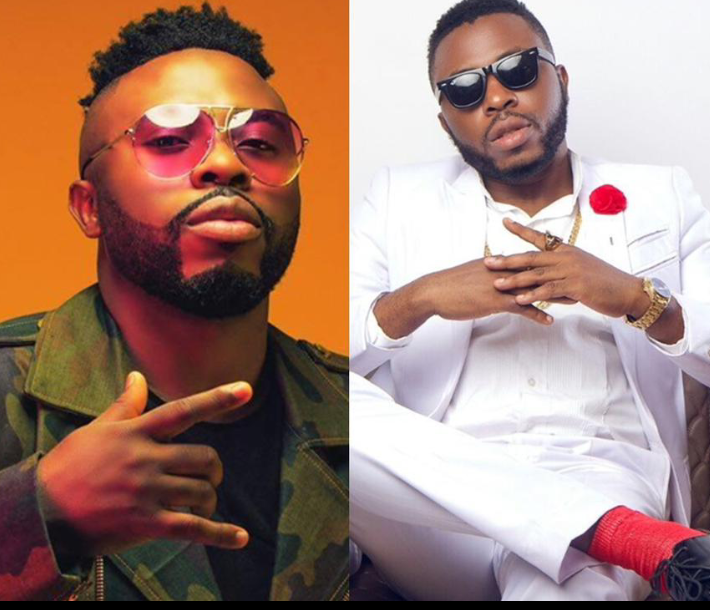
Nigerian producer and social commentator Samklef once again sent social media into overdrive after sharing a bold political opinion that immediately triggered nationwide reactions. In a post that has been widely circulated and dissected across various platforms, Samklef stated, “From my perspective, Tinubu has been a better president than Obasanjo.”
Nigerian producer and social commentator Samklef once again sent social media into overdrive after sharing a bold political opinion that immediately triggered nationwide reactions. In a post that has been widely circulated and dissected across various platforms, Samklef stated, “From my perspective, Tinubu has been a better president than Obasanjo.” As with most political commentary in Nigeria, the statement quickly ignited heated debates, fierce disagreements, and unexpected support, placing his name at the center of a conversation that refuses to die down.
Samklef’s assertion came at a time when Nigerians have been deeply divided over the current administration’s performance, especially regarding economic reforms, national security, and political decision-making. Bola Ahmed Tinubu, who has only spent a portion of his first term in office, remains one of the most discussed presidents in recent years—praised by supporters who highlight his bold policy moves and criticized by opponents who blame him for an economic downturn that has affected millions. By comparing Tinubu to former President Olusegun Obasanjo, one of Nigeria’s most influential leaders, Samklef tapped into a long-standing national conversation about leadership, legacy, and expectations.
Obasanjo’s era was marked by efforts to stabilize a post-military Nigeria, usher in democratic reforms, and strengthen the economy after years of instability. His administration secured debt relief, championed telecom liberalization, and laid the foundation for some of the institutions that shaped Nigeria’s modern governance structure. For many, those years represented a turning point for the country. For others, it was a period of missed opportunities, controversial political decisions, and unresolved tensions that Nigeria still grapples with today.
Tinubu’s presidency, on the other hand, began with drastic reforms from day one. His removal of fuel subsidies and unification of the exchange rate were hailed by some as necessary moves to reposition Nigeria financially, yet they also triggered inflation, rising costs of living, and widespread public hardship. While critics accuse him of introducing reforms too rapidly without adequate cushioning for ordinary Nigerians, his supporters argue that his policies are steps toward long-term stability. In this complex and emotionally charged atmosphere, Samklef’s comparison naturally struck a nerve.
Almost immediately after his post, Nigerians flooded comment sections across Twitter, Facebook, and Instagram with arguments, jokes, and rebuttals. Some praised Samklef for “saying what others are afraid to admit,” noting that Tinubu has taken bold steps that previous leaders avoided. Others dismissed his commentary as “unserious,” “provocative,” or “out of touch” with everyday realities. Many questioned the basis of the comparison, pointing out that Tinubu is still in his first term while Obasanjo ruled for eight years and shaped much of Nigeria’s democratic framework.
What made the reaction particularly intense was the fact that Samklef is not just another random social media user. Over the years, he has become known for sharing controversial opinions on governance, society, and entertainment. His posts often go viral, partly because they reflect the divided sentiments in Nigeria and partly because he delivers them with the unabashed candor that most celebrities avoid. Whether one agrees with him or not, Samklef has mastered the ability to spark conversations that spread far beyond his timeline.
Political analysts weighed in as the debate continued to spread, noting that comparing presidents from different eras is always complicated. Nigeria’s economic landscape has evolved drastically between Obasanjo’s tenure in the early 2000s and Tinubu’s tenure in a post-pandemic, globally unstable economy. Factors like population growth, insecurity, oil revenue fluctuations, and global economic pressures make leadership challenges vastly different across administrations. Still, the conversation reflects Nigerians’ desire to evaluate their leaders critically, especially in times of hardship.
Many citizens responding online did not just address Samklef’s statement—they used the moment to express their frustrations or support for the current administration. Some argued that Tinubu deserves time to implement his vision fully and that his policies need years, not months, to show real results. Others insisted that leadership should be judged not only by long-term projections but by immediate realities, such as food prices, transportation costs, safety, and quality of life. In Nigeria, where everyday survival is deeply linked to government decisions, these emotional reactions are almost inevitable.
Interestingly, the debate also reopened conversations about Obasanjo’s legacy. Some commenters reflected on how life was during his presidency, recalling the introduction of GSM technology, economic growth rates, and the sense of stability that existed then. Others pointed out that Obasanjo’s era also had its controversies—from political clashes to allegations of corruption and democratic concerns—reminding Nigerians that leadership is never perfect.
Samklef himself did not appear bothered by the reactions. If anything, his statement achieved exactly what he wanted: it got Nigeria talking. And as the conversation keeps trending, it highlights a broader truth about the country’s political climate—Nigerians are passionate, vocal, and deeply invested in assessing the performance of their leaders. Even a single sentence can spark a nationwide conversation because people are living the consequences of political decisions every day.
Whether Samklef’s perspective is popular or unpopular is almost beside the point. What his statement has done is shed new light on the ongoing debate about expectations versus reality, past administrations versus present challenges, and what Nigerians truly want from their leaders. It also underscores how influential public figures can be in shaping political discourse, intentionally or not.
As Nigeria continues navigating economic turbulence and searching for stability, conversations like this will likely continue. Citizens will keep comparing leaders, challenging opinions, defending their viewpoints, and holding those in power accountable. Samklef’s comment may be just one opinion, but it serves as a reminder of how deeply politics touches every aspect of Nigerian life—and how quickly one statement can spark a nationwide conversation.
In a country where political passion runs deep and leadership decisions impact millions, the debate over who is the “better president” will never have a final answer. But for now, Samklef has added fresh fuel to an already blazing fire, proving once again that in Nigeria, even a single tweet can reshape the day’s news cycle.
Share this post
Related Posts

“Is $50 a Week Really Small?” Viral Debate Exposes the Harsh Reality of Nigerian Earnings
A heated conversation on X, formerly known as Twitter, has reignited a long-standing debate about...
“Be Valuable, No Man Will Lose You” – Bella Shmurda Sparks Debate With Message To Women Triggered By GehGeh’s Movement
Nigerian singer, Bella Shmurda, has once again set social media on fire with a bold...

“I’m Speechless”: Media Personality Jane’s DNA Test Revelation Sparks National Conversation on Trust, Marriage, and Hidden Truths
A single, stunned post from media personality Jane has ignited a wave of reactions across...