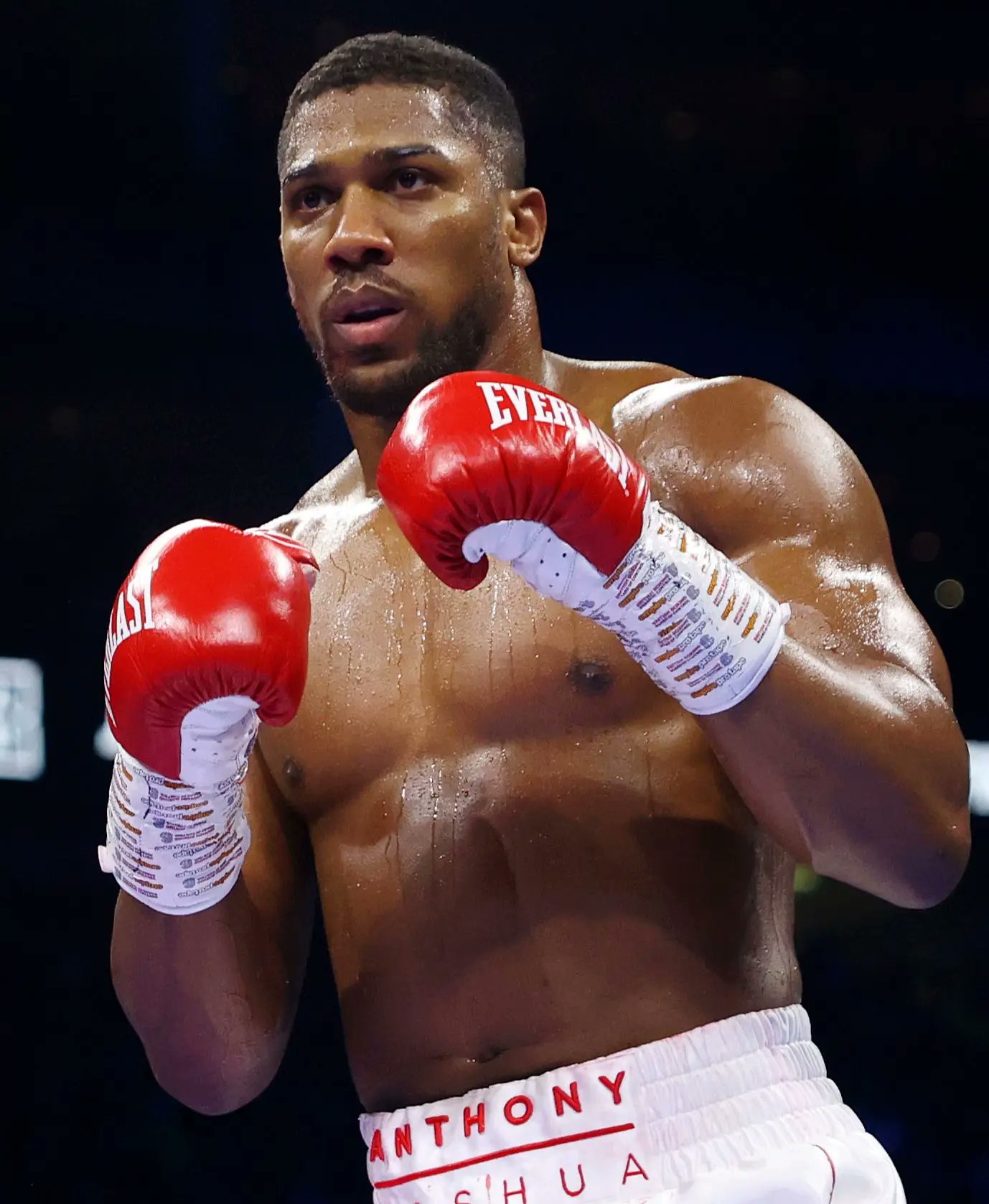
A cloud of shock and concern swept across Nigeria on Monday, December 29, 2025, following reports that British-Nigerian boxing superstar Anthony Joshua was involved in a deadly road accident along the Lagos–Ibadan Expressway in Ogun State. Multiple local outlets, including PunchNG, confirmed that the crash claimed the lives of at least two people, instantly turning what began as a routine journey into a national moment of grief and alarm.
According to early reports, the accident occurred on one of the busiest and most dangerous highways in the country, a stretch notorious for heavy traffic, failed sections of road, speeding articulated trucks, and a long history of fatal crashes. While details surrounding the exact cause of the incident remain sketchy, eyewitness accounts described a chaotic scene marked by wreckage, halted vehicles, and frantic efforts by passersby to assist victims before emergency responders arrived.
Anthony Joshua, a two-time world heavyweight champion and one of the most recognizable athletes of Nigerian descent globally, was said to be traveling within the convoy involved in the crash. Although he resides primarily in the United Kingdom, Joshua has maintained close ties with Nigeria, frequently visiting for family, business interests, charity engagements, and major social or sporting events. Sources familiar with his movements suggested he may have been en route to or returning from a local engagement at the time of the accident.
As news spread, anxiety quickly mounted over Joshua’s condition. By Monday evening, no official statement had detailed the extent of his involvement beyond confirmation that he was part of the incident. Importantly, reports did not indicate that Joshua was among the fatalities, and there was no verified information suggesting he sustained life-threatening injuries. Still, the absence of immediate clarification only intensified speculation and emotional reactions online.
Social media platforms were flooded within minutes, as Nigerians at home and abroad reacted with a mixture of fear, relief, anger, and grief. Many expressed sorrow for the lives lost, emphasizing that regardless of celebrity involvement, the true tragedy lay in the deaths of ordinary Nigerians whose names might never trend. Others focused squarely on Joshua, offering prayers and well-wishes, describing him as a national pride whose safety mattered deeply to millions.
The conversation quickly widened beyond the accident itself, morphing into a familiar but painful national debate about road safety and governance. The Lagos–Ibadan Expressway, despite repeated promises of rehabilitation over the years, remains a symbol of infrastructural neglect. Commenters blamed poor road design, delayed completion of construction projects, weak enforcement of traffic laws, and reckless driving culture for yet another preventable loss of life.
In typical Nigerian fashion, some reactions blended frustration with superstition. While many users attributed the tragedy to “bad governance” and systemic failure, others invoked spiritual explanations, referencing “village people” or unseen forces. These comments, though controversial, reflected a broader sense of helplessness and distrust in institutions meant to protect lives on the nation’s roads.
For Anthony Joshua, the incident struck a deeply personal chord. The boxer has often spoken about his connection to Nigeria, proudly embracing his heritage and drawing inspiration from it throughout his career. His visits to the country are usually celebrated moments, marked by fanfare, admiration, and a sense of shared ownership in his global success. That one of those visits has now been overshadowed by a fatal accident has added a somber layer to his relationship with the country.
Beyond the celebrity angle, the deaths reported in the crash have reignited calls for urgent action on highway safety. Road accidents remain one of Nigeria’s leading causes of sudden death, with thousands killed annually due to collisions involving private cars, buses, and heavy-duty trucks. Safety advocates argue that each high-profile incident should serve as a wake-up call, not just a fleeting headline.
As of the time of reporting, authorities had not released the identities of the deceased, nor provided a comprehensive breakdown of how the crash unfolded. Investigations are expected to determine whether factors such as speed, mechanical failure, road conditions, or human error played decisive roles. Meanwhile, emergency services continue to manage the aftermath, clearing debris and restoring traffic flow on the already congested expressway.
What remains undeniable is the emotional weight the incident has carried across the nation. For some, it was a stark reminder that fame offers no immunity from Nigeria’s infrastructural realities. For others, it was yet another tragic statistic in a long list of avoidable deaths. And for fans of Anthony Joshua, it was a moment of fear that quickly turned into gratitude that he lived to see another day.

As Nigerians await official statements and further details, the accident stands as both a personal scare involving one of the country’s most celebrated sons and a collective tragedy highlighting lives lost too soon. Once again, the Lagos–Ibadan Expressway has written its name into the nation’s mourning book, leaving behind questions, anger, and the familiar plea that someday, these roads will stop killing the people who use them.
Popular Posts
Dragged from the Pitch to the Palace: Actor Don Pedro Obaseki Recounts Ordeal of Abduction, Assault and Public Humiliation in Benin City
29 Dec, 2025
“Any Woman That Wants to Look Finer Than My Wife Will Not Make It Near Me” — Pastor Leke Adeboye’s Prayer Sparks Online Firestorm
29 Dec, 2025
“My Voice Now Sounds Like Davido” — Jesse Jagz’s Humble Apology to Daddy Freeze Sparks Laughter, Reflection, and Online Debate
29 Dec, 2025Scroll to Top