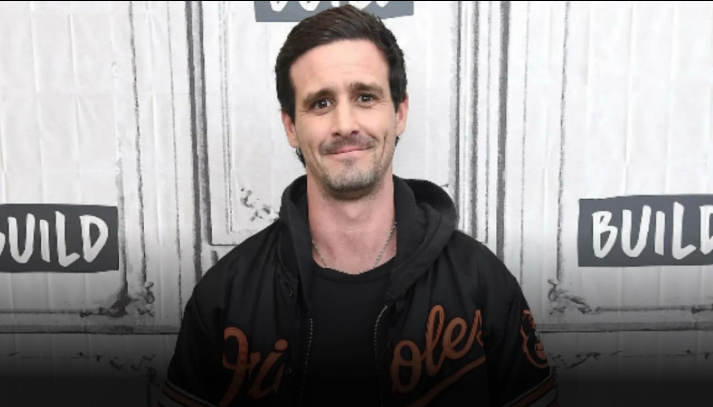
In a shocking and heartbreaking development in Hollywood, James Ransone, the acclaimed American actor celebrated for his compelling performances across film and television, has died at the age of 46. The Los Angeles County Medical Examiner has officially ruled his death a suicide by hanging, a grim confirmation that has sent waves of sorrow through the entertainment community and among fans around the world. The news of Ransone’s passing marks a tragic end to a life and career that touched many, both on screen and off.
James Ransone’s body was discovered earlier this week in his home in Los Angeles, where he had been living with his family. The Medical Examiner’s findings were released shortly thereafter, confirming that the actor’s death was self-inflicted. Authorities have indicated that there were no signs of foul play, and the investigation has now concluded. In the wake of this confirmation, public reaction has ranged from disbelief to grief, with many taking to social media and public forums to express their condolences, share memories of his work, and reflect on the larger issues of mental health that his death has once again brought into the spotlight.
Born on June 2, 1979, in Baltimore, Maryland, Ransone grew up with a passion for performance. He discovered acting at a young age, and his dedication to the craft would carry him into a career that spanned more than two decades. Ransone’s breakthrough role came in the early 2000s when he was cast as Ziggy Sobotka in HBO’s critically acclaimed series The Wire. His portrayal of the troubled and complex Ziggy—a character wrestling with identity, family pressures, and personal demons—earned Ransone widespread recognition and praise from critics and audiences alike. The Wire remains one of the most lauded television dramas of all time, and Ransone’s contribution to that legacy was significant.
From that pivotal role, Ransone’s career continued to build with a series of impressive and varied performances. He appeared in Generation Kill, a gripping HBO miniseries about the Iraq War, where he once again captured the nuances of a soldier’s psyche with authenticity and depth. Ransone’s ability to inhabit roles that explored the human condition made him a sought-after talent for projects that demanded emotional range and intensity.
In recent years, Ransone broadened his appeal with memorable roles in major feature films, earning acclaim for his work in horror and genre cinema. He appeared in It: Chapter Two, the highly anticipated follow-up to the blockbuster horror adaptation of Stephen King’s novel, delivering a performance that balanced vulnerability with strength. His role in The Black Phone, another well-received horror film, showcased his ability to anchor emotionally charged narratives that resonated deeply with audiences. Additionally, his work in the Sinister franchise further solidified his reputation as an actor capable of elevating genre material with depth and sincerity.
Despite his professional accomplishments, James Ransone was candid about the difficulties he faced in his personal life. Over the years, he spoke openly in interviews about his struggles with addiction and the trauma he had endured. Friends and colleagues often noted his resilience and his willingness to share his journey in hopes of helping others. His transparency about his battles with substance abuse and mental health endeared him to many, particularly fans who saw in him not just an actor, but a person who fought hard against his own challenges.
Ransone’s passing is the latest in a string of losses in the entertainment world that have stirred urgent conversations about mental health and the pressures faced by those in the public eye. Advocates and mental health professionals have responded to the news with heartfelt reminders about the importance of support, compassion, and resources for those struggling with unseen burdens. “We must do better,” wrote one mental health advocate on social media. “James Ransone was beloved. Let his death be a call to action for real care, real support, and real understanding of mental health struggles.”
The actor is survived by his wife, Jamie McPhee, and their two children. In a statement released through his publicist, McPhee expressed profound grief and emphasized the love her family holds for Ransone. “We are devastated beyond words,” the statement read, noting that Ransone was a devoted father and husband whose warmth and humor filled their home. “Jim was our heart,” the family said, asking for privacy as they navigate the difficult days ahead.
Tributes from Ransone’s peers and fans have poured in since the news broke. Fellow actors shared memories of his kindness on set, his generosity with advice to younger performers, and his unwavering dedication to his art. Directors and producers who worked with him spoke of his professionalism and his capacity to bring authenticity to every role, no matter the size. “Jim had a rare gift,” one director posted. “He brought truth to everything he touched. The world is a little dimmer without him.”
Fans of The Wire have returned to rewatch the series, flooding online forums with reflections on the impact Ziggy Sobotka had on them as characters and on the show as a whole. Many spoke of how Ransone’s portrayal illuminated the struggles of working-class individuals and the complexity of human flaws. “He was brilliant,” a fan commented. “He made you feel everything his character went through.”
The reaction from the horror film community has been equally poignant. Ransone’s roles in It: Chapter Two and The Black Phone earned him a devoted audience among genre fans who appreciated his ability to ground fantastical narratives with real, heartfelt emotion. “He brought soul to scares,” one fan wrote. “That’s rare.”
As the shock of James Ransone’s death reverberates, the broader entertainment community is also grappling with the loss. Social media tributes have included calls to donate to mental health organizations and suicide prevention hotlines, underscoring the urgency of supporting those in crisis. Professionals in the field note that discussions about mental health, addiction, and trauma must continue, with a focus on removing stigma and ensuring that individuals have access to help when they need it.
Ransone’s death is a reminder of the fragility of life and the unseen struggles that even successful, talented people may endure. While his roles brought him into the homes and hearts of millions, it is the reality of his personal battles that has now ignited a deeper conversation about compassion and care. For many, the tragedy of his passing will serve as a sobering impetus to reach out to loved ones, to check in on struggles that are often hidden, and to support efforts that provide hope and healing to those in need.
As the entertainment world mourns, James Ransone’s legacy remains in the characters he brought to life, the stories he helped tell, and the honest way he faced his own challenges. His contributions to film and television will continue to be celebrated, studied, and appreciated by audiences old and new. But above all, he will be remembered as a talented artist and a human being whose absence will be deeply felt.
If you or someone you know is struggling with thoughts of self-harm or suicide, please reach out to local emergency services or a trusted support line. In Nigeria, you can contact the Bridge of Hope Suicide Prevention Helpline at +234 (0) 703 000 2345 for support and resources. In the United States, contact the 988 Suicide & Crisis Lifeline for immediate help. You are not alone, and help is available.
Popular Posts

FG Eyes N150bn Windfall as Nigeria Moves to Formalise Vehicle Recycling Industry
22 Dec, 2025
“Rotting Our Brains?” Elon Musk Sounds the Alarm on Short-Form Videos and the Cost of Constant Scrolling
22 Dec, 2025
“We Will Not Be Silenced”: Why Nicki Minaj Says She Spoke Out on Alleged Persecution of Christians in Nigeria
22 Dec, 2025Scroll to Top