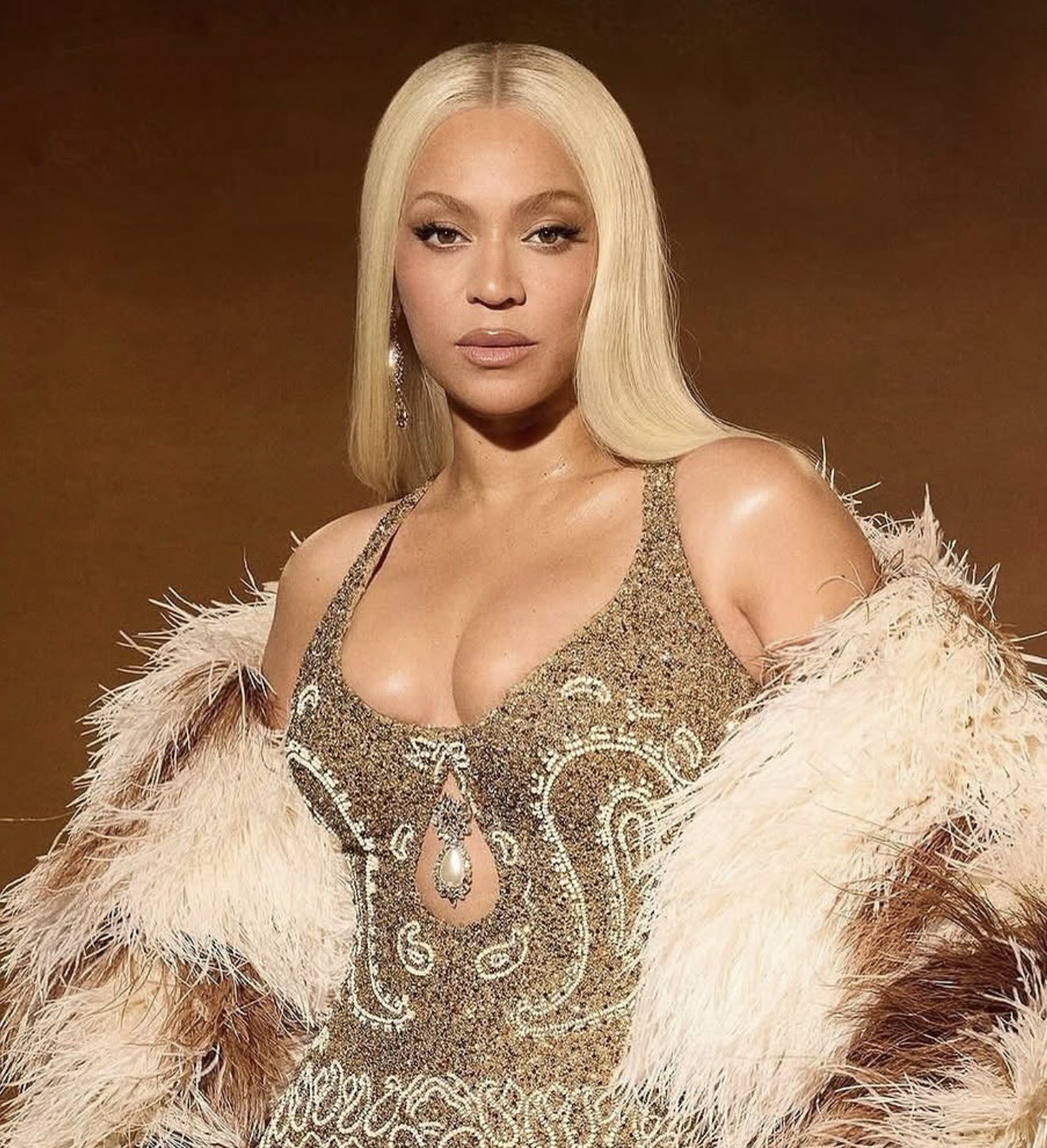
The internet erupted in celebration after Beyoncé officially joining her husband Jay-Z as a billionaire.
Paired with a sleek photograph of the power couple in elegant attire, the caption cut straight to the point — “What’s better than one billionaire? Two.” Within hours, the line became a rallying cry across social media, as admirers hailed the Carters not just as music royalty, but as a financial dynasty.
The excitement followed confirmation from Forbes that Beyoncé’s net worth has crossed the $1 billion mark, a milestone years in the making. Long regarded as one of the most influential artists of her generation, Beyoncé’s rise to billionaire status has been fueled less by headlines and hype, and more by calculated ownership, relentless touring, and total control of her creative output. For many fans, the announcement felt inevitable, yet no less thrilling — a symbolic victory for an artist who has spent decades redefining what success looks like in the music industry.
According to Forbes, the backbone of Beyoncé’s fortune lies in her music catalog rights and touring empire. Her 2025 Cowboy Carter Tour alone reportedly grossed over $400 million in ticket sales, with an additional $50 million generated from merchandise. The tour, which blended country, soul, and pop influences, wasn’t just a commercial juggernaut; it was a statement of artistic freedom, showing that Beyoncé could pivot genres on her own terms and still dominate the global stage. By the end of the year, she ranked as the third-highest-paid musician worldwide, further cementing her financial ascent.
Unlike many artists whose earnings peak early and taper off, Beyoncé’s wealth trajectory reflects a deeper shift in how modern musicians build longevity. Ownership has been central to her strategy. By retaining control of her masters, brand partnerships, and touring decisions, she ensured that the bulk of the revenue flowed directly back to her. Industry analysts note that global touring now accounts for roughly 75 percent of top artists’ income, a reality Beyoncé has mastered better than almost anyone alive.
Her entry into the billionaire club places her in an elite group of just five musicians worldwide to reach that level of wealth. Alongside her stands Jay-Z, whose estimated net worth of $2.5 billion spans music, fashion, champagne, tech investments, and sports management. Rihanna, with an estimated $1.4 billion largely driven by Fenty Beauty, rounds out the list, underscoring how diversification and ownership have become the true engines of superstar wealth in the modern era.
Together, Beyoncé and Jay-Z now represent one of the most powerful couples in global entertainment and business. Their partnership has always extended beyond romance — from collaborative albums to joint tours and strategic investments — but this latest milestone elevates their status into something almost unprecedented. To fans, they are proof that Black excellence can thrive at the highest levels of global capitalism. To industry watchers, they are a case study in how creative control can translate into generational wealth.
Online reactions reflected that dual significance. While some fans celebrated with humor and memes, others framed Beyoncé’s achievement as inspirational, particularly for women artists who have historically been underpaid and under-credited. Many pointed out that unlike tech billionaires or heirs to inherited fortunes, Beyoncé built her empire from performance, discipline, and an uncompromising grip on her work.
The symbolism of her joining Jay-Z at the billionaire table resonated deeply in a culture increasingly skeptical of fairness in wealth accumulation.
Yet beyond the numbers, the moment speaks to a broader transformation in the music industry. Beyoncé’s billionaire status is not just about record sales or celebrity endorsements; it is about understanding music as intellectual property, touring as global infrastructure, and artistry as a long-term business asset. In an era where streaming payouts often shortchange creators, her success highlights a path that prioritizes leverage, patience, and control.
As the photo of the Carters continues to circulate — two figures dressed in understated luxury, calm amid the noise — it carries a quiet message. This is not overnight success, nor viral fortune. It is the result of decades of work, strategic thinking, and refusal to hand over ownership of one’s legacy. In a single caption, BlackyWorld3 summed it up with playful simplicity, but the reality behind it is far more profound.
Two billionaires. One couple. And a blueprint that will likely shape the ambitions of artists for years to come.
Popular Posts

Dragged from the Pitch to the Palace: Actor Don Pedro Obaseki Recounts Ordeal of Abduction, Assault and Public Humiliation in Benin City
29 Dec, 2025
“Any Woman That Wants to Look Finer Than My Wife Will Not Make It Near Me” — Pastor Leke Adeboye’s Prayer Sparks Online Firestorm
29 Dec, 2025
“My Voice Now Sounds Like Davido” — Jesse Jagz’s Humble Apology to Daddy Freeze Sparks Laughter, Reflection, and Online Debate
29 Dec, 2025Scroll to Top