Entertainment
Chuks Trends as Ned Nwoko’s Libel Clampdown Sparks Fresh Outrage Over Regina's Viral ‘₦5m Assassination’ Claim
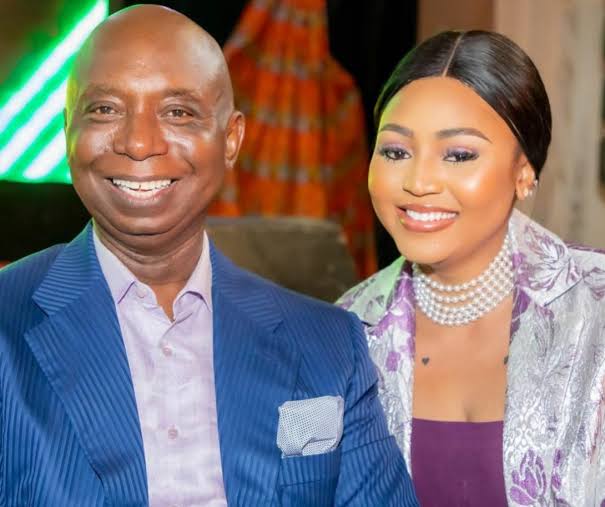
Social media has been thrown into another heated debate after video blogger Chuks Eric was reportedly arrested following a petition linked to a viral TikTok video that accused Senator Ned Nwoko of offering ₦5 million to assassinate his wife, actress Regina Daniels.
The development has triggered widespread outrage online, with many Nigerians questioning why Chuks, who did not appear in the original video, is now in police custody while the TikToker widely believed to be the source of the allegation continues to move freely and even profit from the controversy.
The uproar began after a TikTok video surfaced in which a content creator claimed that Senator Nwoko allegedly paid him ₦5 million to carry out an assassination plot against Regina Daniels. The video quickly went viral, drawing shock, disbelief, and condemnation.
Almost immediately, attention turned to Chuks Eric, a video blogger who reposted and amplified the clip across platforms. Shortly after, reports emerged that Chuks had been arrested, allegedly on the basis that he was the individual in the viral video or that he played a key role in spreading the defamatory claim.
However, multiple observers and online investigators insist that the man in the original video is not Chuks at all, but a TikToker known as “Liar of TikTok,” a controversial content creator notorious for defamation-heavy videos often padded with vague disclaimers.
According to these accounts, the real creator of the video fled public scrutiny almost immediately after the backlash, retreating to a rural area where he has continued posting content from bushy, remote locations, far from what followers describe as “civilization.”
While Chuks reportedly remains in police custody, “Liar of TikTok” has allegedly been exploiting the situation for clout and cash. Over the past days, he has uploaded dramatic apology videos, emotional monologues, and cryptic updates, all while receiving monetary gifts from followers.
Just hours ago, he was said to be live on TikTok when a supporter gifted him ₦200,000, further infuriating Nigerians who see a disturbing contrast between a man monetizing defamation and another facing arrest for amplification.
This disparity has reignited arguments over selective enforcement and power dynamics in Nigeria’s justice system. Many Nigerians are now openly calling on Senator Ned Nwoko to withdraw the case against Chuks and pursue the original creator of the video instead.
To them, Chuks appears to be a convenient scapegoat, punished not for making the allegation but for helping it gain traction, while the alleged source enjoys attention, sympathy, and financial rewards.
Others, however, argue that the matter is not as straightforward. Legal analysts and commentators have pointed out that Nigerian law recognizes republication of defamatory content as actionable. In simple terms, anyone who knowingly spreads a false and damaging claim can be held just as liable as the person who first created it.
From this angle, Ned Nwoko’s petition for libel is seen by some as legally valid, especially if it can be established that Chuks knew the allegation was false and still chose to amplify it for views and engagement.
Still, critics insist that the manner of enforcement matters. The involvement of the police in what many see as a civil libel issue has drawn sharp criticism. Prominent human rights lawyer Inibehe Effiong has reportedly stepped in, describing the arrest as oppressive and more about silencing than seeking justice.
According to this view, libel disputes should be resolved through civil litigation, not arrests, especially when the accused is not the originator of the defamatory content.
The situation has also raised fears of a chilling effect on digital media and citizen journalism. Bloggers and content creators worry that arresting amplifiers instead of pursuing original sources could be used as a tool to intimidate smaller voices while the actual perpetrators evade accountability.
Some observers speculate that the police may eventually pressure Chuks to produce or directly identify “Liar of TikTok” as a condition for his own release, turning the case into a complex legal and ethical standoff.
This is not the first time Senator Ned Nwoko has taken aggressive legal action over online allegations involving his family. Earlier this year, another TikToker known as “Tumma” claimed that Regina Daniels was cheating on the senator and had another boyfriend.
Tumma was reportedly jailed for nearly six months before activist Omoyele Sowore intervened, leading to his release. That episode remains fresh in public memory and has fueled concerns that social media commentary about powerful figures is increasingly being met with punitive responses.
The allegations made by “Liar of TikTok” go far beyond the assassination claim. In previous videos, he accused Regina Daniels of multiple forms of misconduct, made comments about her body, her children, her sex life, alleged fetish practices, and even claimed insider knowledge as a supposed staff member of Ned Nwoko.
These claims, widely viewed as reckless and malicious, reportedly pushed the senator to once again call for stricter social media regulation in Nigeria.
As the controversy continues to unfold, public opinion remains deeply divided. Some believe Chuks should face consequences for amplifying a dangerous falsehood, while others insist his arrest is unjust and misdirected.
What is clear is that the case has once again exposed the fragile balance between free expression, responsible publishing, and the immense power wielded by political elites in shaping outcomes.
For now, Chuks remains with the police, “Liar of TikTok” remains online and profitable, and Nigerians continue to argue fiercely over where accountability should truly lie.
In a digital age where a single video can ruin reputations and alter lives, the unfolding saga has become more than just a scandal — it is a test of justice, power, and the future of online speech in Nigeria.
Watch the video below
Chuks is trending because Senator Ned Nwoko has arrested the video blogger Chuks Eric, on grounds that he is the person in the viral video who claimed Ned paid him ₦5M to assas*sinate Regina Daniels.
— Trending Explained (@TrendingEx) December 14, 2025
The main culprit ran way to the village, leaving Chuks as Ned’s scapegoat.… pic.twitter.com/HXDZHWJQEf
Twitter Post
Visit websitePopular Posts
“A Ticking Time Bomb”: Dotun’s Blunt Warning Sparks Fresh Debate After Peller’s Car Crash Drama
15 Dec, 2025
FRSC Warns Celebrities as TikToker Peller Faces Prosecution Over Road Crash
15 Dec, 2025
19-Year-Old Girl Allegedly Stabs Boyfriend to Death During Infidelity Fight in Ogun State
15 Dec, 2025Scroll to Top