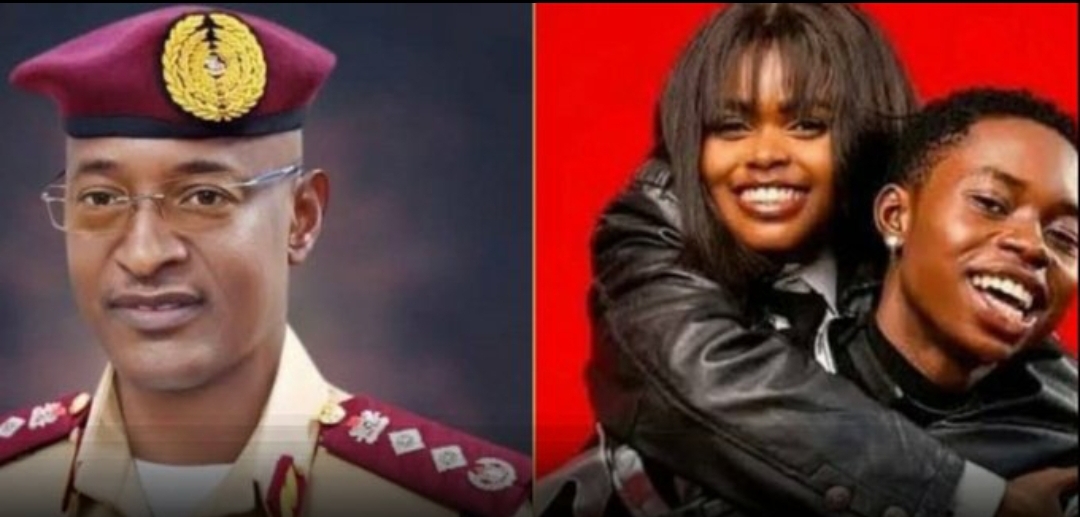
The Federal Road Safety Corps has moved to prosecute popular TikToker Habeeb Hamzat, widely known as Peller, following a disturbing road crash involving his Mercedes-Benz that occurred amid an emotional dispute with his girlfriend, Jarvis, while he was allegedly live-streaming on social media.
The incident, which has since gone viral across Nigerian social media platforms, sparked outrage and renewed concerns about reckless driving among influencers who prioritize online engagement over public safety. Footage circulating online shows Peller in a visibly distressed state moments before the crash, making emotional statements that alarmed viewers before the vehicle veered off course and crashed.
In a strongly worded response, the Corps Marshal of the FRSC, Shehu Mohammed, condemned the act, describing it as a dangerous violation of traffic laws that could have resulted in multiple fatalities. Through a statement issued by the Corps’ spokesperson, Olusegun Ogungbemide, Mohammed emphasized that engaging in live streaming, content creation, or any form of phone usage while driving is illegal and poses grave risks not only to the driver but to other road users.
According to the FRSC, preliminary assessments indicate that distracted driving played a significant role in the crash. The Corps Marshal has consequently directed the Lagos State Sector Commander to commence full investigative and legal procedures aimed at prosecuting the influencer for multiple traffic violations, including reckless driving, use of a mobile phone while driving, and actions likely to endanger lives.
The agency noted that the outcome of the crash could have been far more tragic, stressing that public sympathy should not cloud accountability when road safety laws are breached. Officials reiterated that no individual, regardless of social status or online popularity, is above the law.
Beyond the immediate case, the FRSC used the opportunity to issue a broader warning to celebrities, influencers, and content creators who increasingly turn public roads into stages for emotional outbursts, pranks, and attention-seeking behavior. Mohammed stressed that such conduct sets a dangerous precedent, especially for young Nigerians who view social media personalities as role models.
He called on entertainment guilds, influencer networks, and talent managers to begin proactive sensitization campaigns that educate their members on responsible behavior behind the wheel. According to him, fame comes with influence, and influence must be exercised with responsibility, not recklessness.
The Corps Marshal further warned that the FRSC would no longer overlook violations linked to social media trends, emphasizing that enforcement would be firm and impartial. He noted that traffic regulations exist to protect lives, not restrict creativity, and that public roads are shared spaces governed by laws that must be respected by all.
Meanwhile, the incident has ignited intense debate online, with reactions ranging from sympathy for Peller’s emotional state to outright condemnation of his actions. Many Nigerians have questioned why influencers repeatedly document moments of emotional instability while driving, turning deeply personal crises into public spectacles with potentially fatal consequences.
Others have urged mental health advocates and close associates of the influencer to step in, arguing that the crash reflects deeper emotional struggles that should be addressed privately rather than broadcast live to millions. However, critics insist that emotional distress does not excuse violating road safety laws or putting innocent lives at risk.
As of the time of filing this report, authorities have not released official details on Peller’s physical condition following the crash, though sources suggest he escaped with minor injuries. Investigations remain ongoing, and the FRSC has encouraged members of the public to report any observed cases of dangerous driving to aid enforcement efforts.
The incident now stands as a sobering reminder of how quickly online clout can spiral into real-world consequences. For many observers, the crash marks a turning point in Nigeria’s evolving conversation around influencer culture, accountability, and the blurred lines between digital performance and public safety.
With the FRSC signaling zero tolerance for distracted driving, especially among high-profile individuals, Peller’s case may well become a defining example in the agency’s crackdown on reckless behavior fueled by the pursuit of online relevance. In the end, the Corps insists, no viral moment is worth a human life.
Popular Posts
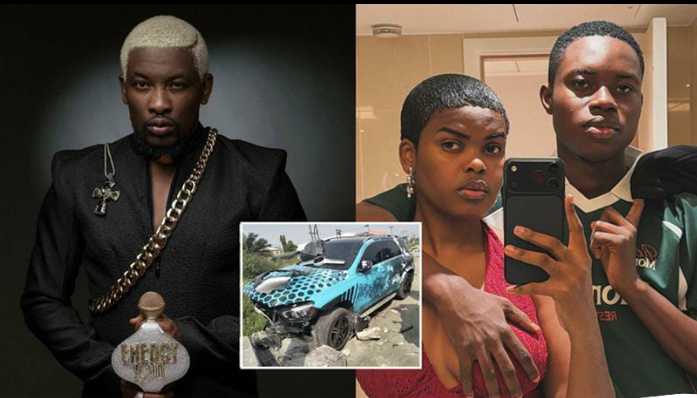
“A Ticking Time Bomb”: Dotun’s Blunt Warning Sparks Fresh Debate After Peller’s Car Crash Drama
15 Dec, 2025
FRSC Warns Celebrities as TikToker Peller Faces Prosecution Over Road Crash
15 Dec, 2025
19-Year-Old Girl Allegedly Stabs Boyfriend to Death During Infidelity Fight in Ogun State
15 Dec, 2025Scroll to Top