Entertainment
Digital Wildfire: Ned Nwoko Slams Tiktoker’s Apology as He Renews Calls for Strict Social Media Regulation
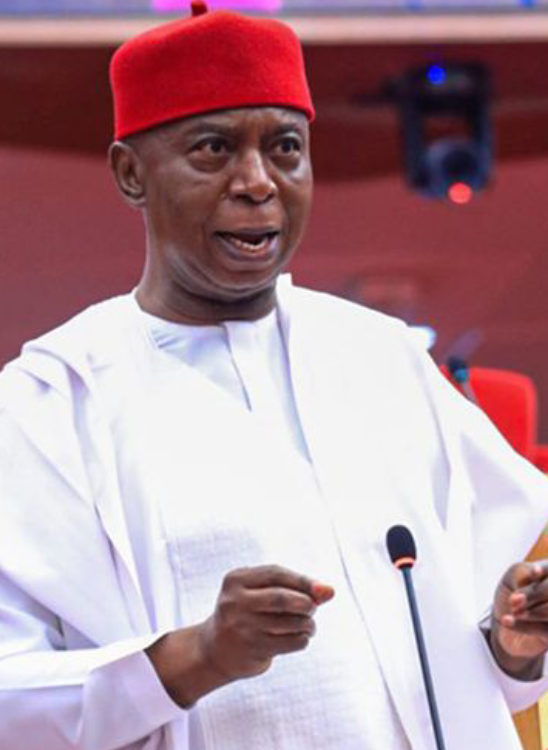
Senator (Dr.) Prince Ned Nwoko has sparked a fresh national debate after issuing a fiery response to a Tiktoker who recently released an apology video retracting allegations that he had paid to have his wife, Nollywood star Regina Daniels, killed. The sensational claim, which spread rapidly across social platforms, triggered outrage, fear, and confusion among Nigerians before the accuser recanted. But for Nwoko, the apology is far from enough, and he insists the incident is a glaring example of the dangerous freedom social media currently affords malicious actors.
In a strongly worded statement shared on his official account, the senator decried what he described as the “unregulated” and “reckless” nature of Nigeria’s digital space, where damaging allegations are deployed as a tool for visibility and financial gain. He pointed out that viral falsehoods have become a profit-making strategy, driven by algorithms that reward sensational content regardless of how destructive it may be to human lives, reputations, and national stability. According to him, the trend has reached an alarming level where content creators no longer fear consequences because they believe apologies can easily cancel out criminal behavior.
His stance comes after the Tiktoker—whose allegations triggered widespread reactions—posted a tearful apology video admitting the claims were false. While many online users considered the apology an act of remorse, Nwoko viewed it as a strategic escape from legal responsibility and a calculated move to appeal to public emotions. “You can’t lie to make money and turn around to apologize after criminally defaming and hurting people,” he wrote, stressing that such behavior is fueled by a system that allows offenders to exploit loopholes with little to no repercussions.
The senator argued that the recurrence of similar episodes across Nigeria’s social media landscape proves the necessity of passing his proposed social media regulation bill. According to him, unverified claims, defamation, and targeted harassment have become rampant, often destroying reputations and destabilizing homes, businesses, and institutions. He warned that if such incidents continue unchecked, no one—not even the ordinary citizen—would be safe from digital smear campaigns engineered for clout and profit.
Nwoko further highlighted what he believes is a double standard in how liability is enforced in Nigeria. He referenced recent legal pressures placed on landlords whose tenants engage in cybercrime, questioning why social media companies, whose platforms enable widespread defamation, are exempt from similar accountability. “If landlords are being threatened with punishments for the actions of their tenants who are yahoo boys, what stops social media companies from being held responsible for allowing defamatory contents on their platforms?” he asked sharply, adding that every local media house is bound by strict laws on libel—an obligation he insists foreign digital giants conveniently ignore.
The central demand of his bill, he explained, is simple: social media companies operating in Nigeria must open physical offices within the country, register under Nigerian law, and take responsibility for the content they allow. Beyond curbing defamation, he believes this move will create employment opportunities, facilitate technology transfer, and generate tax revenue. Most importantly, he said it would make litigation more affordable and effective, enabling Nigerians to challenge harmful content in local courts instead of being forced to confront multinational tech giants abroad.
Nwoko also linked the issue to national security, stressing that many criminal activities—from terrorism coordination to banditry—are enabled through digital platforms. Having these companies establish offices in Nigeria, he argued, would make it easier for law enforcement agencies to collaborate with them in tracking criminals and preventing digital platforms from becoming tools for destabilization. He warned that storing national data abroad leaves the country vulnerable to manipulation by foreign governments or actors who may exploit such records for their own interests.
The senator’s comments have since ignited reactions nationwide. Supporters of his bill argue that Nigeria urgently needs regulatory frameworks to check the rising tide of online misinformation and protect citizens from malicious content creators who weaponize their platforms. They insist that while the internet provides space for free expression, freedom without responsibility will always lead to chaos.
On the other hand, critics fear that any form of regulation could open the door to censorship or be used to suppress dissenting voices. They argue that previous attempts at passing a social media bill had raised concerns about government overreach, and they worry Nwoko’s proposal could be misused to silence critics under the guise of fighting misinformation. Some digital rights advocates contend that existing laws on cybercrime and defamation are already sufficient if properly enforced and that the real issue is not the absence of regulation but the lack of consistent application.
Still, Nwoko maintains that his proposal does not seek to stifle free speech but to introduce accountability—something he believes is long overdue. He insists that the recent incident involving his family should serve as a wake-up call for Nigerians. “It’s Senator Ned today; who knows who is next?” he asked, reminding the public that anyone, regardless of status, could find themselves at the mercy of an influencer or content creator chasing views and engagement.
He reiterated that the purpose of the bill is to protect Nigerians, ensure fairness, and preserve national stability in an era where digital misinformation spreads faster than truth. The senator appealed to Nigerians to support the bill, insisting it represents an important step toward restoring order and responsibility in the rapidly growing digital ecosystem.

For many, the controversy surrounding the Tiktoker’s false allegation and subsequent apology encapsulates the fragile nature of public trust in the digital age. It has also reignited long-standing conversations about online responsibility, the power of social media personalities, and the thin line between expression and exploitation. While the debate continues, one thing remains clear: the conversation about regulating digital platforms in Nigeria is far from over, and Senator Ned Nwoko’s latest remarks have pushed it back to the forefront of national discourse.
Popular Posts
“A Ticking Time Bomb”: Dotun’s Blunt Warning Sparks Fresh Debate After Peller’s Car Crash Drama
15 Dec, 2025
FRSC Warns Celebrities as TikToker Peller Faces Prosecution Over Road Crash
15 Dec, 2025
19-Year-Old Girl Allegedly Stabs Boyfriend to Death During Infidelity Fight in Ogun State
15 Dec, 2025Scroll to Top