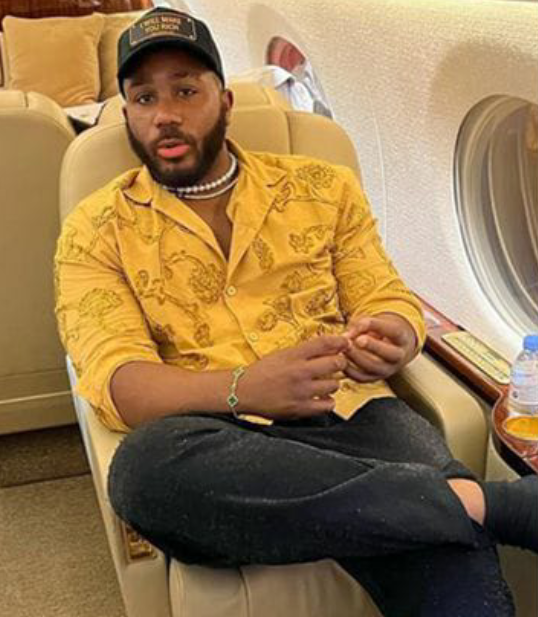
Billionaire heir and reality TV star Kiddwaya has once again ignited conversation across social media after publicly lamenting about the struggles of being Nigerian—insisting that even “nepo babies” feel the weight of the country’s chaos and daily survival stress. The unexpected admission, which came in a pair of posts on his official X account, has set off a wave of mixed reactions, debates, outrage, jokes, and introspection about the current state of Nigeria and the collective exhaustion felt by its citizens.
Kiddwaya wrote, “It’s actually exhausting being Nigerian. And yes, we nepo babies feel it too,” a statement that instantly sent social media into a frenzy. In the same breath, he added, “Oyinbo really no too get wahala for this world,” emphasizing that foreigners appear to enjoy a far less complicated existence than the average Nigerian. Coming from someone born into massive wealth, luxury, and access, the comment took many by surprise, and even more found it difficult to reconcile privilege with hardship.
Within minutes, the posts went viral, drawing in thousands of comments from Nigerians across different social classes—each responding with a blend of sarcasm, disbelief, empathy, and criticism. For some, Kiddwaya’s lament was an overdue acknowledgment from the wealthy elite who often appear insulated from the daily struggles of the average citizen. For others, it felt tone-deaf and unnecessary, especially at a time when Nigerians are battling inflation, insecurity, unemployment, failing public services, and a general sense of national fatigue.
But whether one agrees with him or not, Kiddwaya’s statement captures an undeniable truth: Nigerians are tired. Deeply tired. And the exhaustion has become a shared national experience that transcends income levels, backgrounds, and opportunities. While privilege certainly softens the blow, it doesn’t erase the effect of an environment that constantly demands resilience, improvisation, and emotional strength.
Many Nigerians online responded by humorously welcoming him to “the real world,” telling him that if the wealthy are groaning, the poor are on the verge of collapse. One user wrote: “If it’s exhausting for you with private jets and security escorts, imagine us wey dey trek under sun and still dey pray make NEPA give light.” Another quipped: “Nepo baby don shout. Nigeria don finally touch everybody.” Some others even suggested that Kiddwaya was simply trying to stay relatable, pointing out that conversations about hardship often attract attention on social media.
Yet a surprising number of Nigerians agreed with him. They argued that no matter one’s background, living in a dysfunctional system can mentally drain anyone. From endless bureaucracy to insecurity to the randomness of daily challenges, the environment itself can weigh heavily on the mind, rich or poor. As one commenter put it: “Money helps, but it doesn’t buy peace of mind in this country. Stress is the national anthem.”
Analysts also chimed in, noting that Kiddwaya’s remark reflects a wider phenomenon—Nigerians around the world, regardless of social standing, frequently express frustration about the chaos back home. Even those in the diaspora say they dread visiting because of the intensity and unpredictability of the Nigerian experience. From navigating the airport to dealing with power outages to the constant need for vigilance, the country demands a level of psychological preparedness that can wear out even the most mentally resilient.
Kiddwaya’s post came at a time when many Nigerians are publicly voicing fatigue over the rising cost of living, currency fluctuations, taxes, fuel prices, and widespread uncertainty. In such a climate, his comment served as both a mirror and a spark—reflecting collective frustration while reigniting the ongoing conversation about the state of the nation. It forced many to consider whether the exhaustion is now a shared national identity, and whether privilege is truly enough to escape it.
While some mocked Kiddwaya for using the term “nepo baby”—a slang phrase referring to children of wealthy or influential parents who benefit from inherited opportunities—others saw it as an honest attempt to acknowledge his privilege while still expressing personal frustration. Critics, however, interpreted it as a way to center himself in a struggle that affects millions who would happily trade places with him.
Beyond the social media banter, the broader conversation points to something deeper: Nigerians are looking for relief. They are looking for hope, for escape, for a break from the instability that defines their daily existence. Kiddwaya’s lament may have been casual, but it tapped into a well of emotions that millions have been trying to articulate. It has become increasingly common to hear people say that simply existing in Nigeria feels like a full-time job with no benefits, no breaks, and no certainty.
The reactions also highlighted a painful truth—many Nigerians believe that the country doesn’t work for anyone, not even the wealthy, who often flee abroad for healthcare, education, safety, and peace. As one user noted: “If Nigeria was working, rich people wouldn’t send their kids abroad. Everybody dey tired in different ways.” Another added: “Even rich Nigerians don’t trust Nigeria. That alone explains everything.”
For Kiddwaya, this is not the first time he has courted controversy with his blunt takes on life and society. He is known for speaking candidly, sometimes too candidly, and his remarks often split public opinion. But this time, rather than being dismissed as entitled or out of touch, his words have sparked an unusual sense of unity—even if tinged with sarcasm. Nigerians collectively understand exhaustion. It is a language they all speak fluently.
While some users urged him to use his influence to drive change rather than simply complain, others defended his right to express his feelings without being attacked for his background. They insisted that he, too, is human and that emotional stress does not spare anyone based on bank balance or surname.
As the online debates continue, one thing remains clear: Kiddwaya has reopened an ongoing national conversation about the Nigerian experience—one that captures frustration, resilience, and the endless search for relief. In a country where even celebrating small wins often feels like a battle, his comments remind everyone that exhaustion has become part of the Nigerian story. And for better or worse, it is a story that binds everyone together.

Whether the billionaire son intended to start a debate or simply made a passing remark, he has touched a nerve. And in doing so, he has highlighted a sentiment that many Nigerians whisper privately but shout silently into the void: it is exhausting to be Nigerian. And until something changes, that exhaustion will continue to echo across every corner of society, from the streets to the boardrooms to the social media timelines where Nigerians, regardless of status, gather to share their frustrations, jokes, and hopes for a better tomorrow.
Popular Posts
“Stick to Makeup, Sis”: Daniel Regha’s Fiery Clapback at Tacha Sparks Heated Debate Online
12 Dec, 2025
Kuje Nights Begin: Abuja Court Orders Former Labour Minister Chris Ngige Remanded Over Alleged ₦2.2bn Contract Fraud
12 Dec, 2025
“Even the Privileged Are Tired”: Kiddwaya’s Viral Lament Sparks Nationwide Reactions
12 Dec, 2025Scroll to Top