Entertainment
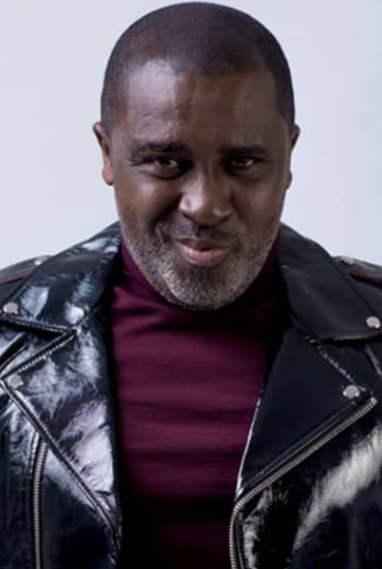
Frank Edoho Sparks Social Media Frenzy With Bold Reply to Viral Question on What Men Go Through
The internet lit up again on Thursday after popular television host Frank Edoho delivered a short but fiery response to a lady who questioned what men truly face in comparison to women. The exchange, which began innocently on X (formerly Twitter), quickly spiraled into a heated online discussion that drew thousands of reactions, memes, and think pieces, proving once more that gender conversations on social media never run out of fuel.
It all started when a user identified as @ellabosslady posted a direct question that many have debated for years: “Women deal with periods, pregnancy, and menopause. What do men deal with?” Her tweet, seemingly straightforward, was rooted in a long-running societal conversation about the physical, emotional, and social burdens placed on women. It was a question that might have invited a scientific explanation or a philosophical breakdown, but Frank Edoho—famous for his quick wit as the host of Who Wants to Be a Millionaire—had a completely different angle.
Without wasting words, he responded with just one: “Women!” The single-word reply instantly threw social media into chaos as users rushed to interpret, argue, and laugh over his remark. For many, the statement was classic Frank—sharp, humorous, and deliberate. For others, it was provocative, oversimplified, and reflective of a deeper gender tension. Regardless of where anyone stood, the tweet achieved what only viral posts can: it got everyone talking.
Moments later, another user, @subpharmacist, chimed in, suggesting that life was indeed “really tough for men.” While some expected Frank to soften his earlier comment, he instead doubled down, adding a line that had the platform buzzing once again: “Just know their ways and adjust accordingly.” The words sounded like advice, a hint of sarcasm, and a relationship lesson all at once. It was clear Frank had no intention of backing away from his earlier punchline. Instead, he expanded it into a broader humorous commentary on the complexities of gender relations.
As expected, reactions split into multiple camps within minutes. On one side were users who found his reply witty and painfully accurate, arguing that men often deal with emotional responsibilities and pressures that society rarely acknowledges. Many said Frank simply expressed what a large number of men have been thinking but rarely say publicly—that navigating women’s expectations, moods, emotional needs, and societal demands can be its own form of stress. To them, his “Women!” comment summed up an entire chapter of their lived realities.
On the other side of the debate were women who felt his response was dismissive and trivialized the biological and emotional challenges they endure. They pointed out that periods, pregnancy, and menopause involve real pain, health risks, and long-term psychological effects. Comparing these biological realities to the figurative “stress” of relationships, they argued, was an unfair equivalence. Some accused Frank of reducing women to burdens when in fact, the emotional labor in many households and relationships is disproportionately carried by women.
Yet, somewhere in the middle of this storm were those who simply saw the entire exchange as humorous banter—classic X culture. They argued that Frank’s reply shouldn’t be taken too seriously, reminding everyone that the platform thrives on exaggerated jokes, sarcasm, and witty retorts. These users saw the back-and-forth as a moment of comic relief in the middle of Nigeria’s daily social media chaos and urged others not to overanalyze a punchline meant to entertain.
Still, beyond the laughs and anger, the tweet reopened a complicated conversation about gender roles in modern society. For decades, discussions around gender have often tilted heavily towards the challenges women face—and rightfully so, many argued, considering the biological load they carry. However, a growing number of voices insist that men also undergo silent battles: societal expectations to be providers, emotional suppression, economic pressure, fear of vulnerability, and the unspoken rule that men should “just endure” whatever life throws at them.
Frank’s statement, short as it was, unintentionally highlighted the communication gaps that exist between the genders. His “know their ways and adjust” remark struck a chord with men who feel they are always expected to adapt, compromise, or bend to avoid conflict in relationships. For women, the line reinforced the stereotype that men see female behavior as something unpredictable and difficult, an idea many women find unfair or condescending.
In the hours following the viral moment, the conversation grew even bigger as users started sharing personal experiences. Some men admitted that they often feel overlooked when discussions about emotional pain arise, saying society rarely asks what men go through. Others shared anecdotes about the unspoken pressures of marriage, fatherhood, and financial responsibility. Women responded with experiences about being expected to multitask, nurture, and endure physical changes while men sometimes underestimate the toll. The debate quickly became a mirror reflecting how deeply misunderstood each gender can sometimes feel.
Interestingly, Frank Edoho himself did not extend the discussion after his final post, perhaps intentionally leaving his comments open to interpretation. Those who know his social media style say it’s typical of him: drop a bold comment, step back, and let the timeline do the rest. And in this case, it worked. His name trended for hours, with users dissecting his two short replies as though they were a philosophical essay.
The moment also revived a long-running cultural truth: Nigerians love debates about relationships. Whether it’s who suffers more in marriage, who invests more emotionally, or whose struggles are more exhausting, relationship topics always ignite powerful reactions. And when a celebrity jumps into the mix—especially one as outspoken and respected as Edoho—the conversation becomes even more intense.
By the end of the day, what began as a lighthearted question turned into a national conversation touching on humor, sexism, societal pressure, emotional labor, and cultural expectations. Whether people saw Frank’s remark as a hilarious truth, a problematic joke, or a reflection of modern gender realities, one thing was clear: the conversation was far from over.
In the end, the viral moment wasn’t really about who suffers more or who deals with more pain. Instead, it showed how easily gender conversations can trigger emotions, expose frustrations, and spark reflection. And maybe, just maybe, it showed that men and women still have a long way to go in understanding each other.

What Frank Edoho did, perhaps without intending to, was open up yet another chapter in the ongoing story of how men and women interpret their experiences differently. His response—simple, sharp, and unmistakably bold—left everyone with something to think about. And in a world where a single tweet can set off a national debate, it proved once again that sometimes the shortest answers spark the longest conversations.
Popular Posts
“A Ticking Time Bomb”: Dotun’s Blunt Warning Sparks Fresh Debate After Peller’s Car Crash Drama
15 Dec, 2025
FRSC Warns Celebrities as TikToker Peller Faces Prosecution Over Road Crash
15 Dec, 2025
19-Year-Old Girl Allegedly Stabs Boyfriend to Death During Infidelity Fight in Ogun State
15 Dec, 2025Scroll to Top