Entertainment
From Many to One: Woman Opens Up About Why She Ditched Multiple Boyfriends for Monogamy
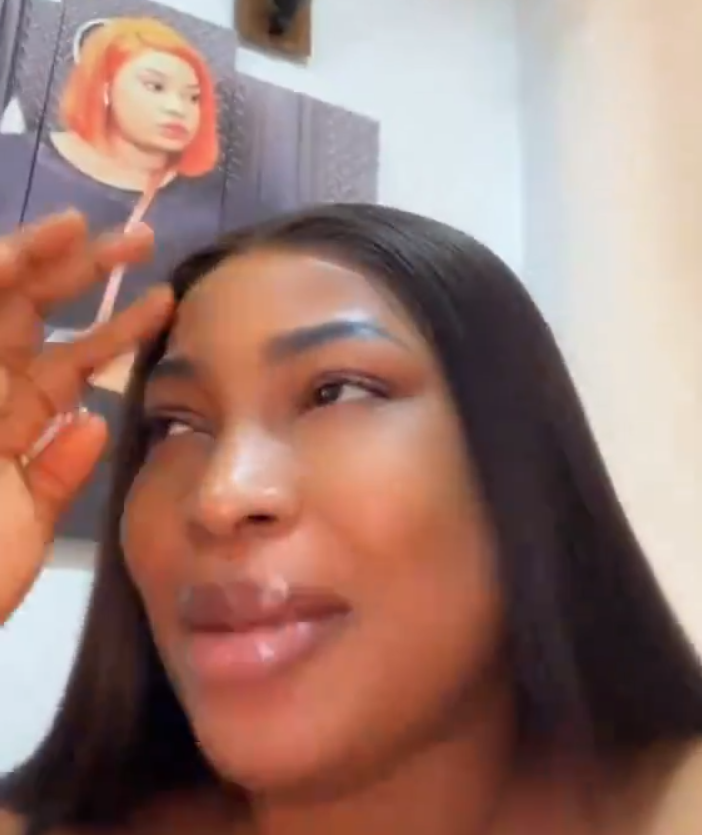
In a candid revelation that has sparked conversations across social media, a young woman has shared her personal journey from juggling multiple relationships in her early twenties to embracing monogamy as she approaches her late twenties. Speaking openly about her experiences, she detailed how her perspective on love and dating evolved over the years, shedding light on a trend many millennials and Gen Z adults might quietly relate to.
“When I was younger, around 22, 23, 24, I used to have multiple boyfriends. I had up to seven talking stages at once,” she disclosed in a heartfelt post that has since gone viral. Her honesty struck a chord with many, highlighting a phase in life where exploration, self-discovery, and social experimentation often intersect with modern dating culture.
Her story, while deeply personal, reflects broader trends in contemporary relationships. In the age of dating apps, social media connections, and shifting societal norms around commitment, many young adults find themselves exploring multiple romantic possibilities simultaneously. The woman’s experience with having “up to seven talking stages” at once is not uncommon, according to relationship experts, who note that this period of exploration can provide valuable lessons about personal boundaries, compatibility, and emotional readiness for deeper commitment.
Yet, the post also underscored a turning point. “But when I clocked 27, I lost interest,” she explained, capturing the moment where her perspective on relationships fundamentally shifted. This transition from seeking multiple partners to focusing on a single meaningful connection highlights a shift from quantity to quality in her romantic life. Experts suggest that such changes often coincide with increased self-awareness, career stability, and a clearer understanding of what one seeks in a long-term partner.
By the age of 28, she said, her priorities had changed significantly. “I feel like having multiple boyfriends is a waste of time. Now I only want one man.” Her statement resonates with many who have gone through similar phases, where the excitement of dating several people at once eventually gives way to a desire for stability, emotional intimacy, and deeper connection. This evolution in mindset raises interesting questions about how age, experience, and maturity influence dating preferences in modern society.
The public response to her post has been overwhelmingly engaged, with users sharing their own experiences and insights. Some commended her honesty, saying it reflects a refreshing authenticity rarely seen on curated social media platforms. Others debated the merits of monogamy versus non-monogamy, highlighting that personal choice, rather than societal pressure, often drives these decisions. This dialogue speaks to the ongoing cultural conversation about relationships, where traditional norms are constantly being reexamined and redefined.
Her story also serves as a reminder of the pressures and expectations surrounding romantic life, especially for women navigating the dating world. Many young women face societal scrutiny over their choices, whether they choose to date multiple people or pursue monogamy early on. By sharing her journey, this woman has helped normalize the idea that changing one’s approach to relationships over time is both natural and empowering. Her experience encourages self-reflection and challenges the notion that there is a “one-size-fits-all” approach to love.
Psychologists and relationship counselors note that her shift is emblematic of a larger trend among adults in their late twenties and early thirties. As people mature, they often reassess what they truly want from romantic partnerships. For some, this means continuing to explore multiple connections; for others, it signals a desire to invest deeply in one relationship that promises long-term fulfillment. Her choice to focus on a single partner is indicative of a growing appreciation for depth over breadth in personal relationships.
Social media platforms, which amplify such personal stories, play a pivotal role in shaping public discourse around love and dating. Her post has sparked threads of discussion, memes, and even advice columns, as readers dissect the implications of her experiences. Some followers shared that they too had once thrived in a phase of dating multiple partners, only to later realize the value of investing fully in one relationship. Others highlighted that this transition is less about age and more about emotional readiness and clarity of intent, underscoring the complex interplay between personal growth and relational choices.
Interestingly, her reflection also touches on time management and emotional energy, key factors often overlooked in discussions about dating. Managing multiple relationships simultaneously can be exhilarating but also draining, especially when individuals juggle demanding careers, social obligations, and personal growth. Her admission that she now views such arrangements as a “waste of time” signals a reevaluation of how she wants to allocate her energy and attention, an insight that resonates with many young professionals navigating modern dating.
Beyond the personal and social dimensions, her story invites a broader reflection on cultural attitudes toward relationships. It raises questions about societal expectations, the evolution of dating norms, and the pressures faced by individuals at various stages of life. In highlighting her journey from multiple boyfriends to a single partner, she has inadvertently sparked a conversation about what it means to prioritize oneself and one’s emotional well-being while engaging in romantic relationships.
Her narrative also challenges stereotypes and assumptions about women’s dating behavior. Too often, women are judged harshly for exploring multiple relationships or perceived as fickle for changing their romantic preferences over time. By openly sharing her journey, she not only asserts her agency but also contributes to a more nuanced understanding of adult relationships, where choices evolve alongside personal growth and shifting priorities.
As her story circulates across social media, it continues to inspire conversations about the balance between independence and intimacy, exploration and commitment, and youthful experimentation versus mature partnership. For many, her candid confession serves as both a mirror and a roadmap—reflecting their own experiences and offering reassurance that it is perfectly normal for desires and priorities to change over time.
Ultimately, her journey underscores a universal truth about love: it is rarely linear, and there is no single path that fits everyone. Her decision to transition from multiple boyfriends to seeking one meaningful connection speaks to the evolving nature of human relationships and the ways individuals navigate their desires, emotions, and aspirations. Her story reminds us that personal growth often involves reassessing what truly matters and having the courage to change course, even if it defies expectations or past behaviors.
As social media continues to amplify such personal narratives, more people may feel encouraged to reflect on their own relationship choices and embrace the fluidity of romantic life. Her journey from many to one is not just a story of changing romantic preferences—it is a story of self-discovery, empowerment, and the enduring human quest for connection, authenticity, and fulfillment.
In the end, her message is simple yet profound: what matters most is clarity, intention, and the willingness to align one’s romantic life with personal growth. Whether one chooses to explore multiple relationships or focus on a single partner, her story reminds us that there is value in introspection, honesty, and making choices that honor one’s evolving self. For this woman, the shift from juggling seven boyfriends to committing to one man marks not just a change in dating strategy, but a meaningful step toward understanding what truly matters in love and life.
"When I was younger, around 22, 23, 24, I used to have multiple boyfriends. I had up to seven talking stages at once. But when I clocked 27, I lost interest. I’m 28 now, and I feel like having multiple boyfriends is a waste of time. Now I only want one man."
— 𝐀𝐬𝐚𝐤𝐲𝐆𝐑𝐍 (@AsakyGRN) December 12, 2025
— Lady says. pic.twitter.com/q0hnmhbjat
Twitter Post
Visit websitePopular Posts
Don Jazzy Left Speechless as Fan’s ‘Non-Greedy’ Christmas Wish Turns Into a Lifetime Expense
12 Dec, 2025
Don Jazzy Left Speechless as Fan’s ‘Non-Greedy’ Christmas Wish Turns Into a Lifetime Expense
12 Dec, 2025
Heartbreak That Broke the Body: Young Man Lands in Hospital After Girlfriend Walks Away
12 Dec, 2025Scroll to Top