Entertainment
Heartbreak That Broke the Body: Young Man Lands in Hospital After Girlfriend Walks Away
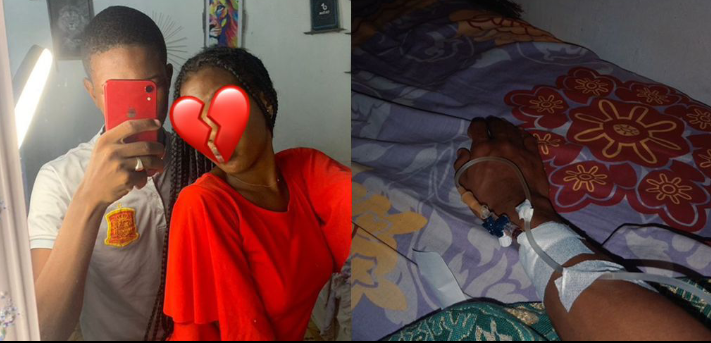
The internet has been shaken once again by an emotional revelation from a young man identified on social media as Small Ralph, who disclosed that he ended up hospitalized after his girlfriend abruptly ended their relationship. His post, raw with pain and heavy with vulnerability, has sparked widespread conversations about the physical toll emotional trauma can take, especially when heartbreak hits harder than anyone expects.
Ralph’s confession came in the form of a heartfelt message that reads almost like a cry for help. “She left without looking back, forgetting the sacrifices, the love, and the memories we built together. The heartbreak hit me so hard it made me physically sick. Now I'm in treatment, trying to heal from pain caused by the one person I thought would never hurt me,” he wrote. His words tore through social media, drawing thousands of reactions from people who saw themselves in his story—some offering comfort, others sharing similar experiences, and many reflecting on the silent battles men often fight behind closed doors.
The emotional weight packed into Ralph’s statement tells a story that extends beyond a simple breakup. It speaks to a deeper truth: heartbreak is not just emotional; it is physical, mental, and sometimes completely debilitating. Those who have experienced crushing loss know how quickly appetite fades, sleep vanishes, energy drops, and the body itself begins to buckle under the weight of emotional collapse. Ralph’s hospitalization is a stark reminder that emotional distress can manifest in frightening ways—heart palpitations, panic attacks, migraines, drastic blood pressure changes, and even immune system decline.
Sources close to online discussions have speculated that Ralph may have suffered stress-induced health complications, a condition that doctors warn is more common than many realize. While he didn’t provide specific details about his diagnosis, his mention of being “in treatment” suggests that the impact went far beyond ordinary sadness. Friends and strangers alike have rallied in his comment section, encouraging him to focus on healing and reassuring him that heartbreak may feel like the end, but it rarely is.
As the post continues to circulate, it has sparked an emotional debate about how society views men’s emotional struggles. Many commenters pointed out that men are often pressured to suppress their feelings, stay strong, and “move on” quickly—expectations that can be unrealistic and harmful. Ralph’s openness shattered that stereotype, forcing many to acknowledge that vulnerability is not weakness, and that mental health struggles affect everyone, regardless of gender.
Others argued that the situation reflects a growing trend where relationships end abruptly, leaving one partner emotionally blindsided. “It’s always the memories that hurt the most,” one user posted under Ralph’s thread. “You give your all, thinking you’re building something permanent, and then suddenly you’re left alone with everything you invested emotionally.” Ralph’s story resonates particularly deeply with those who feel they have loved wholeheartedly only to be abandoned without closure.
Relationship experts who weighed in on the viral post highlighted that emotional bonds, especially long-term ones, trigger chemical reactions in the brain. When those bonds are suddenly broken, the body goes into withdrawal—similar to detoxing from an addictive substance. The brain, accustomed to dopamine and oxytocin associated with the relationship, panics in the absence of those feel-good chemicals. This can lead to physical symptoms ranging from severe anxiety to gastrointestinal issues and even hospitalization in extreme cases. Ralph’s experience, while surprising to some, is not unheard of in the psychological community.
But beyond its scientific implications, Ralph’s story is seen by many as a cautionary tale about emotional investment and the need for balance. Some commenters criticized the idea of giving “everything” in a relationship, warning that relying too heavily on one person for happiness can be emotionally dangerous. Others countered that love is meant to be wholehearted, and that heartbreak is simply a natural risk of caring deeply for someone. The thread became a melting pot of conflicting philosophies, emotional confessions, and hard-earned lessons.
Yet, amid the emotional storm, Ralph’s own silence after the initial post has left many wondering about his current condition. His last words—“I’m in treatment, trying to heal”—echo through the timeline like a plea for understanding, and many users have continued to check in on him, hoping for an update. The intensity of the public response has turned his personal heartbreak into a community moment, with strangers offering prayers, affirmations, and well-wishes for his recovery.
What stands out most in this unfolding story is not just the heartbreak itself but the humanity wrapped around it. It is a reminder that in a world where relationships are increasingly digital, fast-paced, and often disposable, the emotional consequences of losing someone you loved can still hit with devastating force. Ralph’s experience might be intensely personal, but it has touched a global nerve, reminding people that emotional pain should never be minimized or brushed aside.
Heartbreak, much like grief, has no timeline. Some recover quickly; others find themselves unraveling slowly. For Ralph, the path to healing is happening under medical supervision, a sobering indicator of just how deep emotional wounds can run. While many hope he emerges stronger, there is universal agreement that his bravery in sharing his struggle may help others recognize their own need for support.
In the sea of reactions, one message echoed louder than the rest: heartbreak is real, and so is the pain that follows. Ralph’s story may have begun as a personal tragedy, but it has become a reminder to treat emotional health with the same seriousness as physical health. As social media continues to follow his journey, one thing remains clear—he is not alone, and perhaps that support is the first step toward rebuilding the strength he once believed he had lost.

For now, the world waits for him to return with better news, hoping he finds peace in the place where love once lived but left a void behind. In the meantime, his story serves as a powerful testament to the human heart—fragile, resilient, and sometimes broken in ways that only time and compassion can mend.
Popular Posts
Don Jazzy Left Speechless as Fan’s ‘Non-Greedy’ Christmas Wish Turns Into a Lifetime Expense
12 Dec, 2025
Don Jazzy Left Speechless as Fan’s ‘Non-Greedy’ Christmas Wish Turns Into a Lifetime Expense
12 Dec, 2025
Heartbreak That Broke the Body: Young Man Lands in Hospital After Girlfriend Walks Away
12 Dec, 2025Scroll to Top